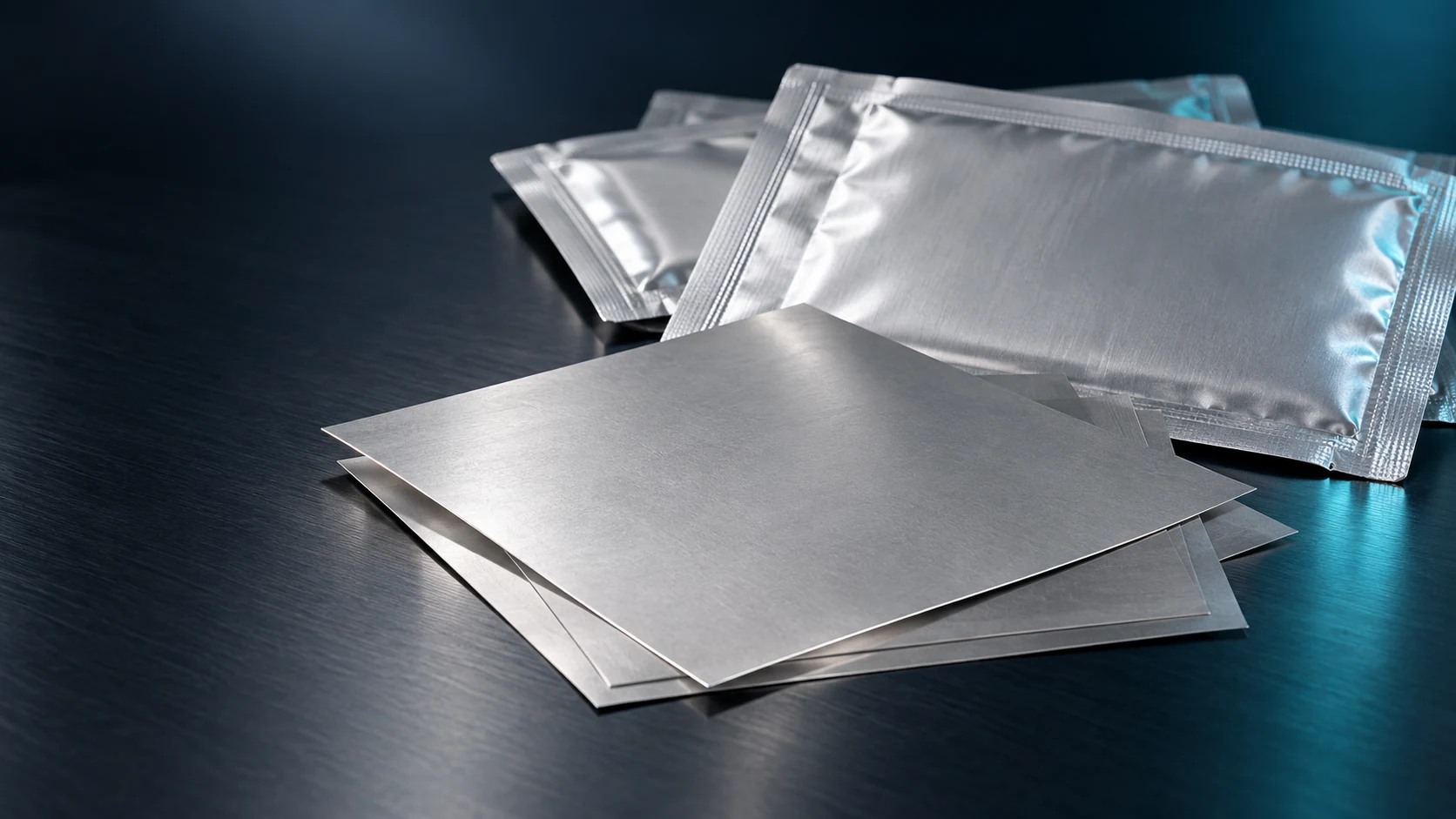
Six application areas where high-purity indium foil, sheet, and custom-cut parts deliver practical engineering value.
01Thermal Interface Materials
Soft indium foil conforms to microscopic surface irregularities and helps reduce thermal contact resistance between heat sources and cooling hardware. It is used between power modules, CPUs, LEDs, vacuum components, and heat sinks where reliable heat transfer, low clamping force, and clean installation are important.
02Cryogenic & Vacuum Sealing
Indium remains ductile at very low temperatures and can form dependable seals against polished metal, glass, or ceramic surfaces. Custom foils, strips, rings, and gaskets are used in cryogenic instruments, vacuum chambers, superconducting systems, sensors, and laboratory assemblies requiring assembly-specific seal design and leak testing.
03Semiconductor & Electronics
High-purity indium sheet and foil support precision electronic and semiconductor assemblies that require controlled thickness, clean surfaces, and reliable conformity. Typical uses include die attach, package sealing, sensor integration, optical components, test fixtures, and specialty devices where contamination control and dimensional repeatability matter.
04Soldering & Bonding
Indium’s low melting point makes it useful for low-temperature soldering, dissimilar-material joining, and bonding temperature-sensitive components. Foil preforms can be custom cut to simplify placement, improve solder-volume control, and support repeatable assembly in electronics, optics, and research equipment.
05Thin-Film Deposition
Indium foil and sheet can serve as source material for thermal evaporation and other thin-film research processes. Purity, dimensions, surface condition, and packaging can be specified for deposition systems used in semiconductor, optical, photovoltaic, display, and materials-development applications.
06Research & Custom Engineering
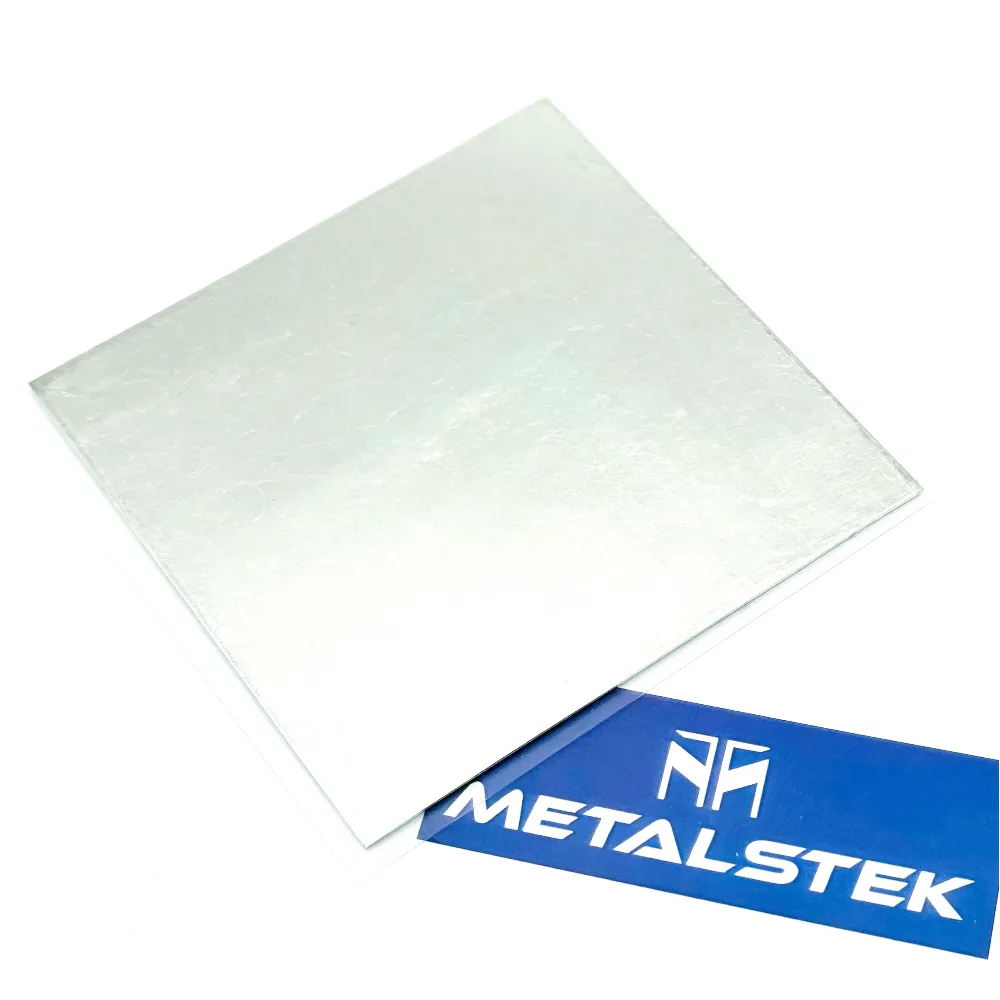
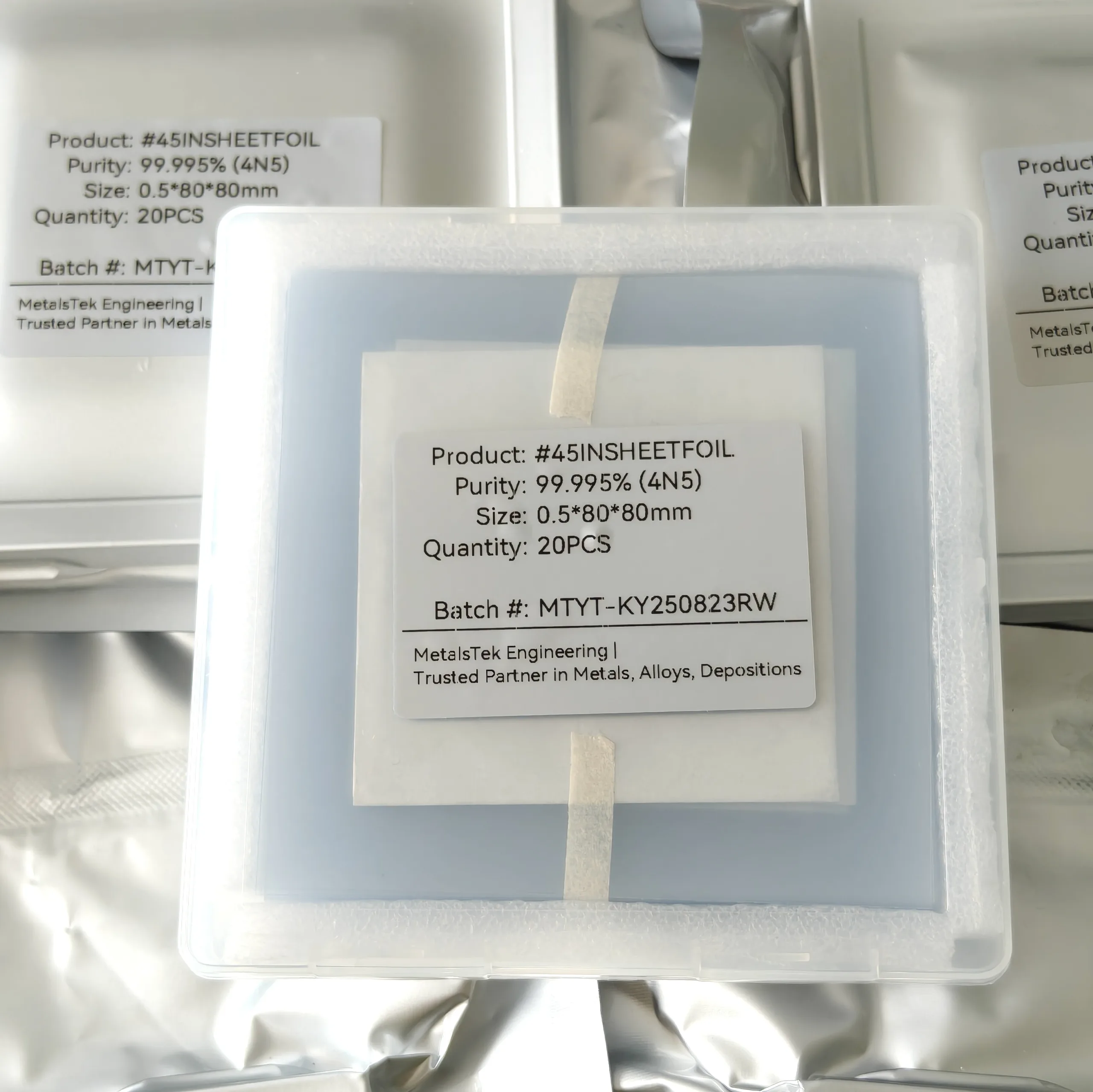
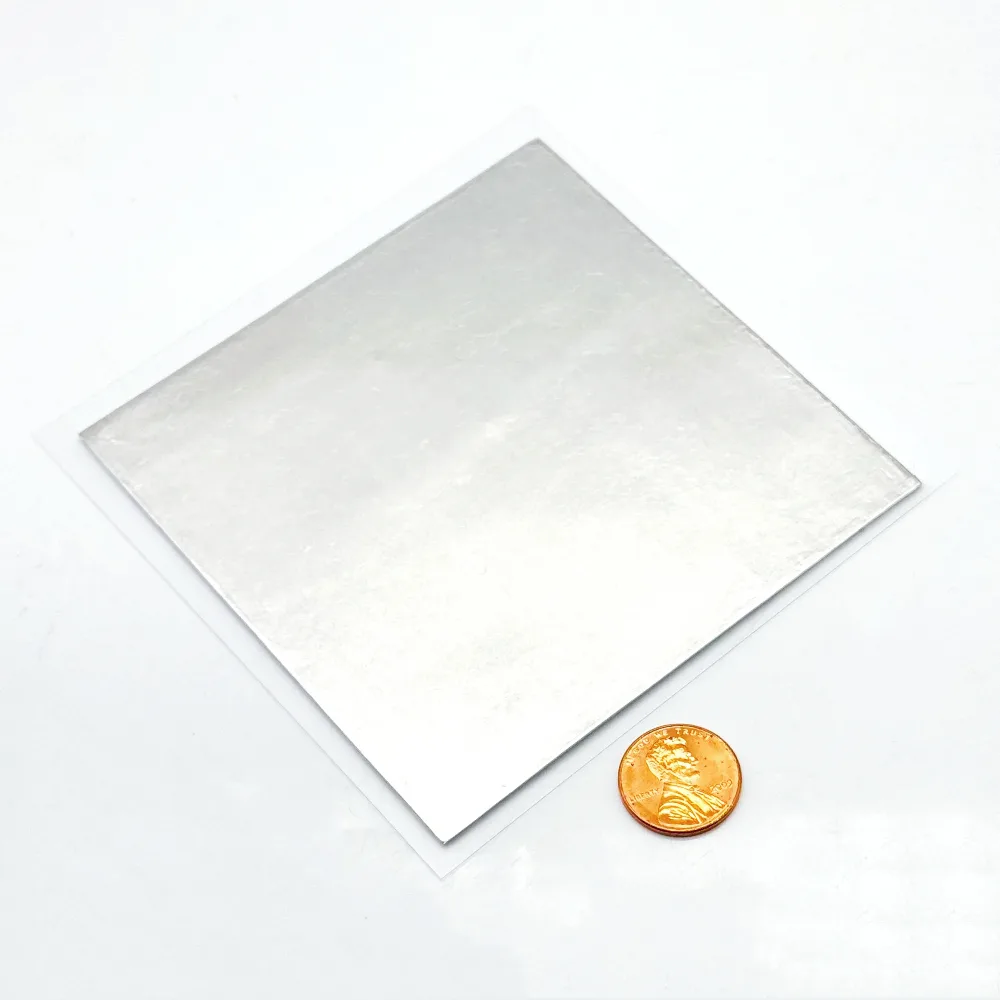
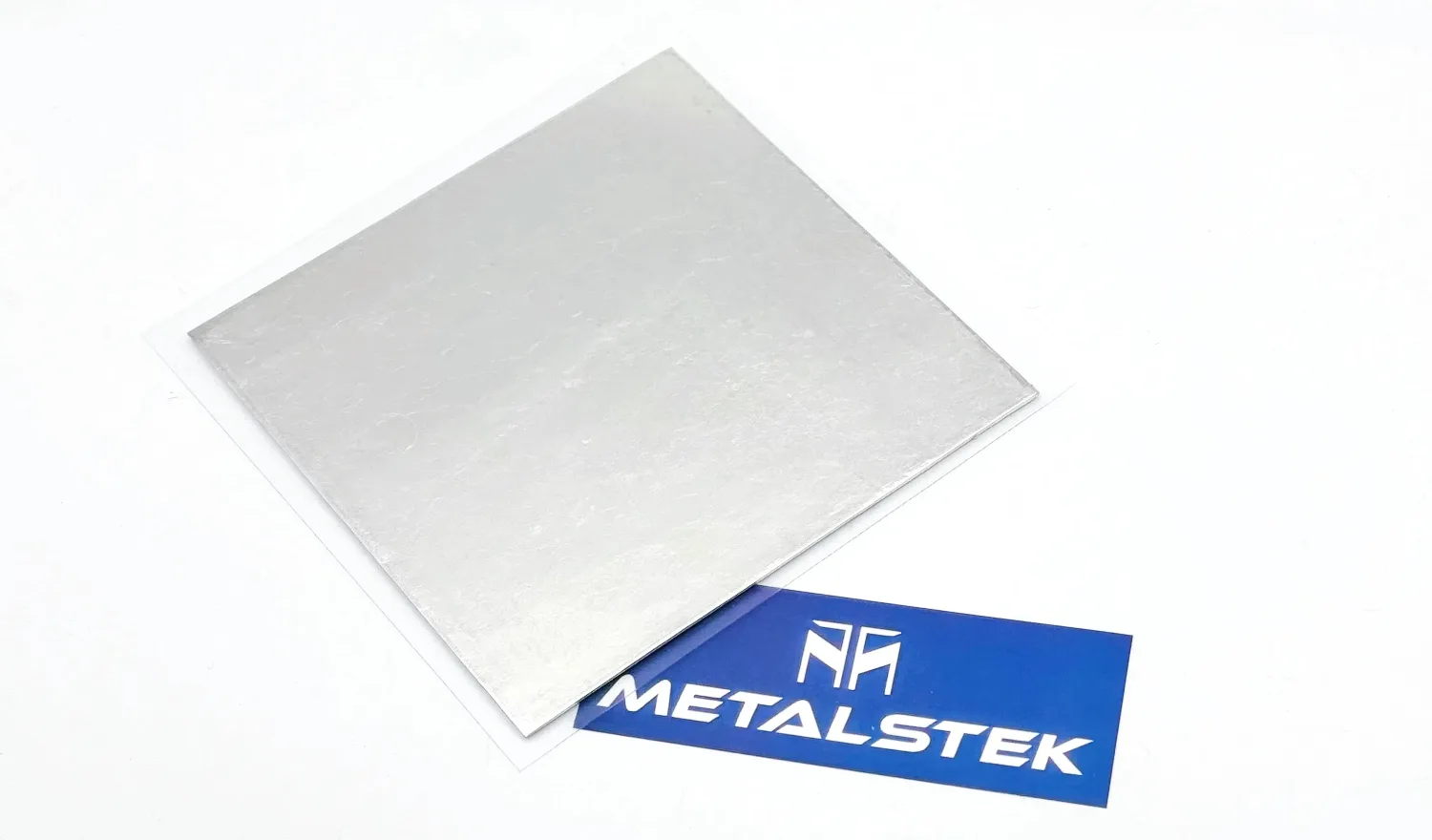
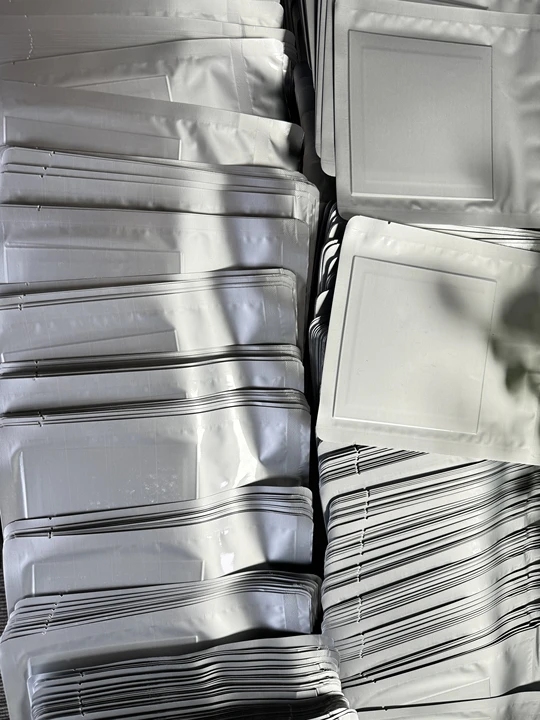
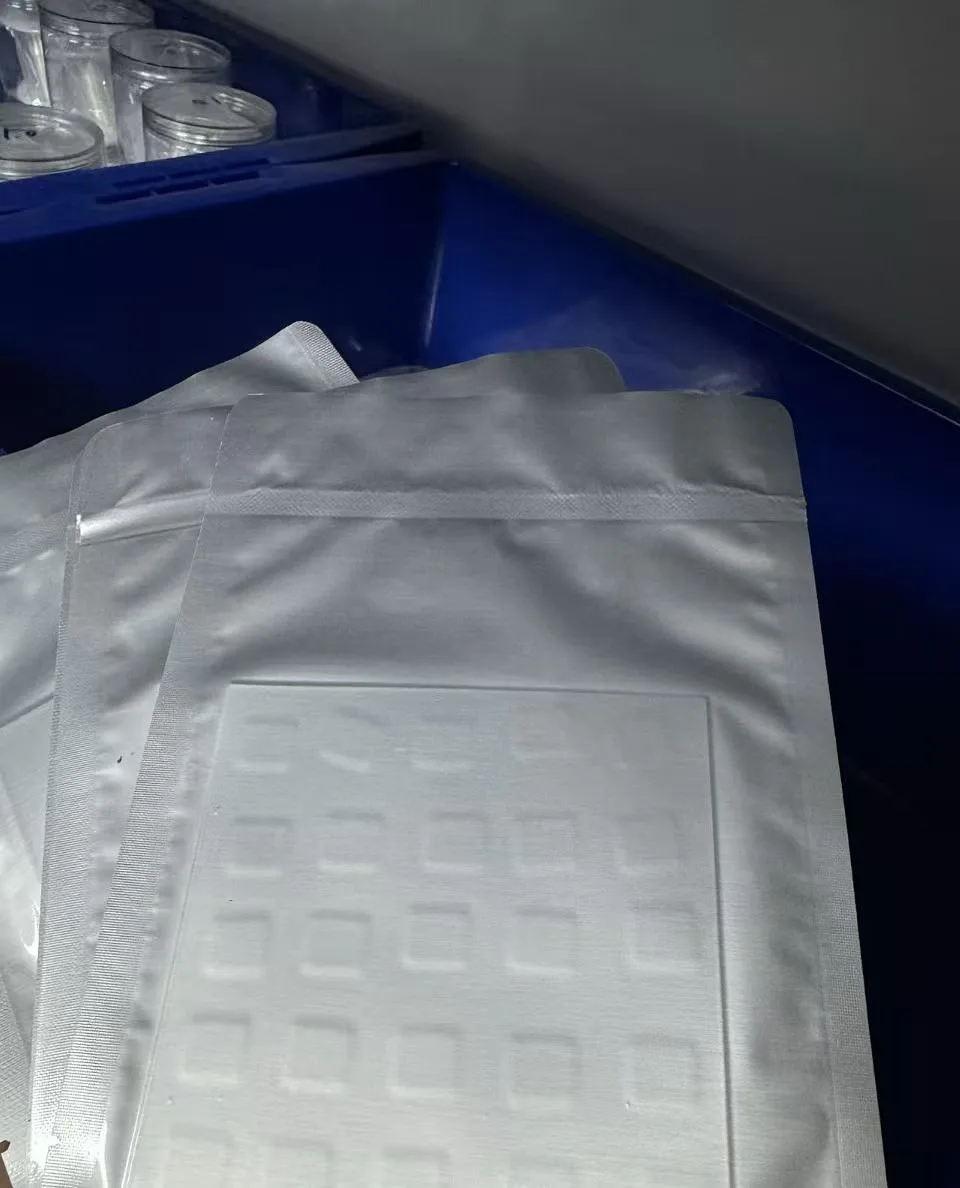
MetalsTek supplies custom-cut indium sheets, discs, strips, rings, and drawing-based parts for laboratories, prototype programs, and specialized engineering projects. Thickness, purity, dimensions, tolerances, quantity, surface handling, and individual packaging can be reviewed together to match experimental and production requirements.
Application suitability depends on surface preparation, mating materials, compression, operating conditions and assembly validation. Melting point is a material property, not a continuous service-temperature rating.