Menu
Home / Refractory Metals / Titanium
Find titanium rod, wire, sheet and foil, tube, alloys, powders and deposition materials for your project.
Choose the product form and grade, then share your dimensions, quantity and required material documentation.
Start with the form you need. Commercially pure titanium, titanium alloys, Nitinol and titanium compounds have different specifications and selection criteria.
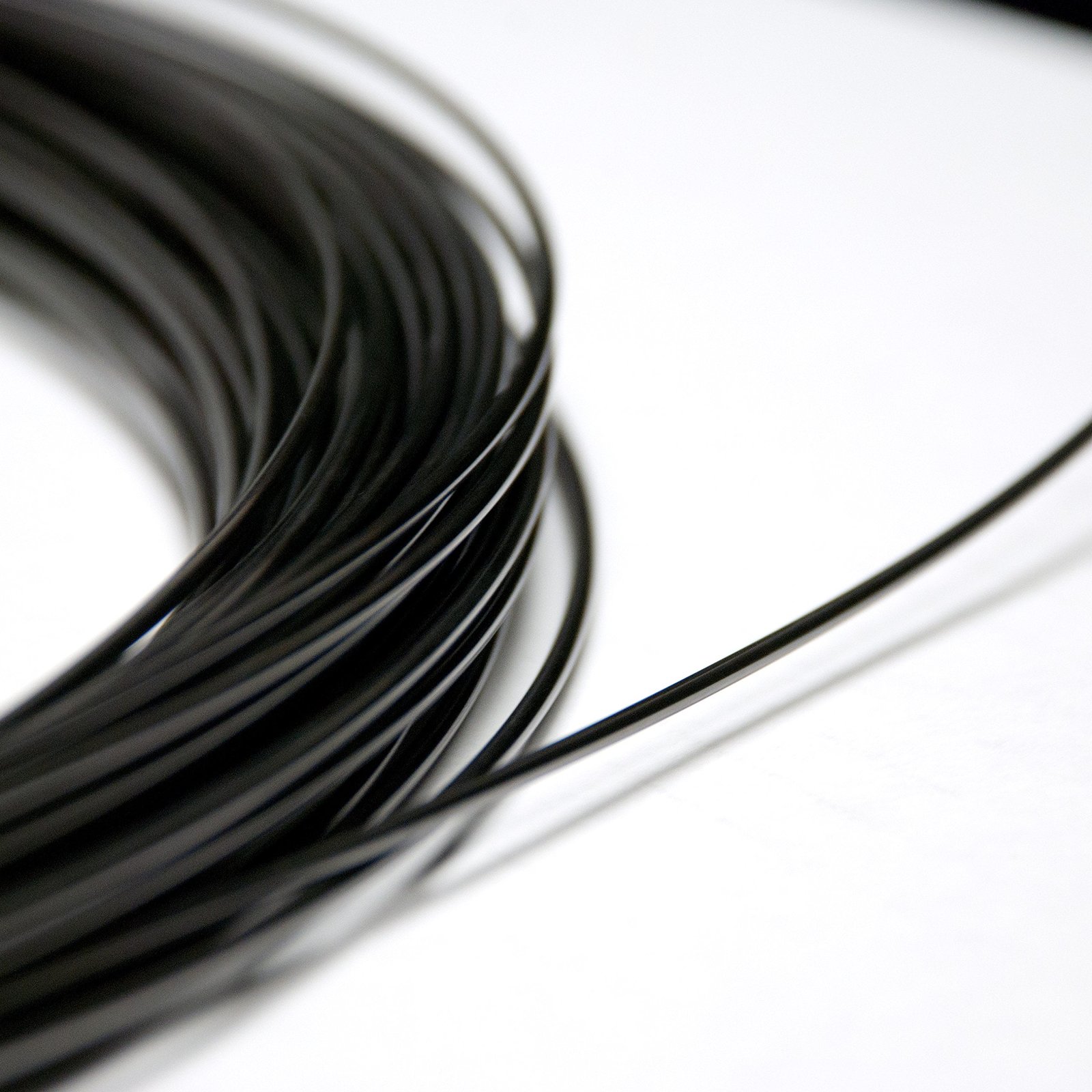
Specify grade, diameter, length, condition and the required bar standard.
Define thickness, width, length, condition and surface requirements.
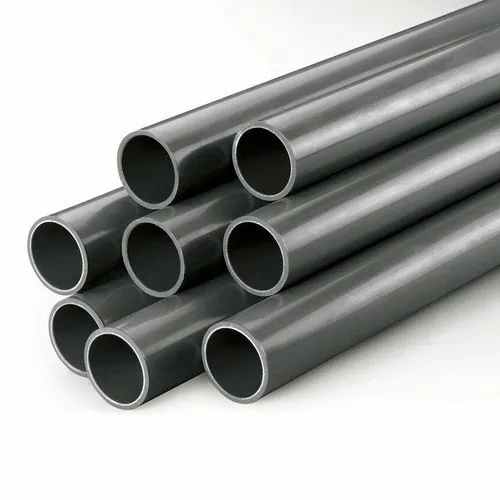
Distinguish tube from pipe; state OD, wall, length and service conditions.
Identify the exact titanium-based alloy and required product form.
State the implant-material standard, grade and traceability requirements.
Confirm metal or compound chemistry, geometry and backing requirements.
Explore the metal, alloy, deposition and compound families below. Use the individual product page for form-specific details, then confirm the grade and requirements for your order.
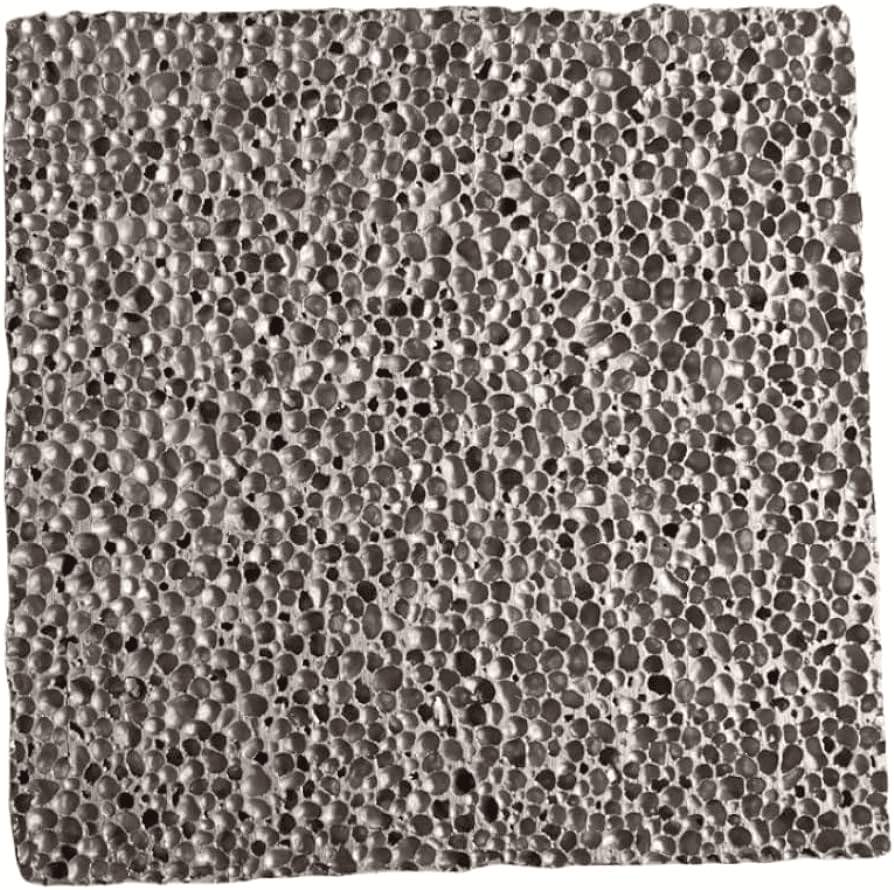
Rod, wire, flat products, tube, fittings, fasteners, porous forms and powder. A shared titanium label does not establish a common grade or test requirement.
Nitinol is a nickel–titanium shape-memory alloy, separate from CP titanium and Ti-6Al-4V. A medical-use description does not establish implant qualification.
These routes include metal, alloy and compound source materials. Specify composition, purity basis, source geometry and deposition process independently of structural-metal specifications.
TiC and TiCN are compounds, not titanium metal. Metal strength, ductility and implant standards do not transfer to these powders.
Choose the material designation before assigning a standard. Industrial, aerospace and surgical-implant purchasing requirements must be stated and verified separately.
| Material | Designation | What to confirm |
|---|---|---|
| Grade 1 / Grade 2 | Commercially pure (CP) titanium; UNS R50250 / R50400 | Different interstitial and mechanical requirements. Match grade, form and condition; “pure titanium” alone is not a complete specification. |
| Grade 5 | Ti-6Al-4V; UNS R56400 | Nominal 6% Al and 4% V. Specify the industrial or aerospace purchase standard and condition; this designation does not establish ELI implant material. |
| Grade 7 | CP titanium with palladium; UNS R52400 | The ASTM designation includes 0.12–0.25% Pd. Select against the actual chemical-service conditions rather than treating it as interchangeable with Grade 2. |
| Grade 9 | Ti-3Al-2.5V; UNS R56320 | Nominal alloy designation. Verify product form, condition, mechanical requirements and the required standard. |
| Ti-6Al-4V ELI / implant requests | UNS R56401 under ASTM F136; often requested as Grade 23 | ELI requirements are distinct from ordinary Grade 5. For unalloyed implant titanium, review ASTM F67 Grade 1–4 requirements instead. Material conformance does not approve a finished implant. |
| Nitinol (NiTi) | Nickel–titanium shape-memory alloy | Specify chemistry, form, transformation temperatures, thermomechanical condition and surface. It is not Ti-6Al-4V and cannot inherit CP-titanium properties. |
Looking for TZM? TZM belongs to the molybdenum-based alloy family, despite containing titanium and zirconium. Use its dedicated molybdenum route rather than titanium Grade 1/2/5 properties or standards.
Catalog editions checked on 24 October 2026. Specify the contractual edition required for the order. This guide describes material-standard scope and does not assert certification of every product or supplier qualification.
| Standard / edition | Material and product scope | Boundary for purchasing |
|---|---|---|
| ASTM B265-25 | Annealed titanium / titanium-alloy strip, sheet and plate | Flat products; not a universal rod, tube, powder or implant specification. |
| ASTM B348/B348M-25 | Annealed titanium / titanium-alloy bars and billets | Bar and billet scope; not a general wire or tube specification. Confirm the listed grade and condition. |
| ASTM B338-17(2026) | Seamless and welded titanium / titanium-alloy tube for condensers and heat exchangers | Review the actual listed grade and tube-service scope; do not treat this as a standard for every pipe or Grade 5 product. |
| ASTM F67-24 | Unalloyed titanium Grades 1–4 for surgical-implant manufacture | Covers strip, sheet, plate, bar, billet, forging and wire. Industrial grade labels alone do not demonstrate conformance. |
| ASTM F136-26 | Wrought annealed Ti-6Al-4V ELI, UNS R56401, for surgical-implant manufacture | Strip, sheet, plate, bar, forging bar and wire; not ordinary Grade 5, CP titanium or a finished-device approval. |
| ASTM F2063-26 | Wrought NiTi medical-device / implant mill stock | The current scope specifies bar, plate, coil and hollow within a stated size range. Fine wire and finished tube need form-specific review; alloy chemistry alone does not guarantee transformation behavior. |
Wire, welded assemblies, fittings, powders, targets and finished devices require their own applicable requirements. Aerospace orders need the specified drawing, process controls and acceptance documents; a generic grade name is insufficient.
Elemental reference values are retained below for initial comparison. Alloy composition, processing and temperature change properties. The listed tensile-strength and hardness figures lack a defined grade or condition and must not be used as purchase acceptance values.
| Phase At STP | Solid | Electrical Resistivity | 420nΩ⋅m (20°C) |
| Melting Point | 1,941 K (1,668°C/3,034°F) | Magnetic Ordering | Paramagnetic |
| Tensile Strength | 434 MPa (grade/condition unspecified) / 63,000 psi | Young’S Modulus | 116 GPa |
| Density (Near R.T.) | 4.506 g/cm3 | Shear Modulus | 44 GPa |
| Appearance | Metallic-White Color | Bulk Modulus | 110 GPa |
| Heat Of Fusion | 14.15 kJ/mol | Poisson Ratio | 0.32 |
| Heat Of Vaporization | 425 kJ/mol | Mohs Hardness | 6 |
| Molar Heat Capacity | 25.060 J/(mol·K) | Vickers Hardness | 830–3,420MPa |
| Thermal Expansion | 8.6 µm/(m⋅K) (at 25 °C) | Brinell Hardness | 716–2,770MPa |
| Thermal Conductivity | 21.9 W/(m⋅K) | Cas Number | 7440-32-6 |
The elemental density reference is 4.506 g/cm³. Melting point is not an allowable service temperature, and dense-metal data do not describe loose powder, porous forms, Nitinol or TiC. Reference context: Royal Society of Chemistry — Titanium.
Specify the medium, concentration, temperature, contaminants, pressure and joining method. Passive-film corrosion resistance depends on service conditions; resistance to seawater does not establish resistance to every acid, chlorine environment or process mixture.
State the exact alloy, condition, drawing revision, load case, temperature, inspection and contractual material/process requirements. Strength-to-weight benefits do not qualify every grade or form for a flight-critical component.
Identify unalloyed titanium versus Ti-6Al-4V ELI or NiTi, the required material standard and traceability. Biocompatibility discussions do not establish device approval, implant certification or suitability of an unspecified stock grade.
For sports, automotive, architectural and custom components, provide the drawing, fit, surface, joining and wear requirements. Consider galling, surface treatment and condition in the engineering review.
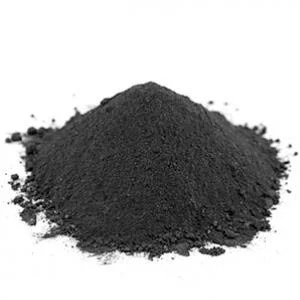
State metal versus compound, chemistry, particle-size distribution, morphology or porosity, processing route and the relevant SDS. Powder purity and bulk density are different from dense-metal grade requirements.
Identify Ti metal, alloy, oxide, nitride or carbide source, composition basis (wt.% or at.%), geometry, backing or source-holder interface and process. Coating behavior is not implied by the bulk titanium reference table.
These material and compound families support specification discussions. Use the linked product directory for published product information. An item named below is not an inventory, lead-time or qualification commitment; confirm the requested composition and form in the RFQ.
Titanium Metal
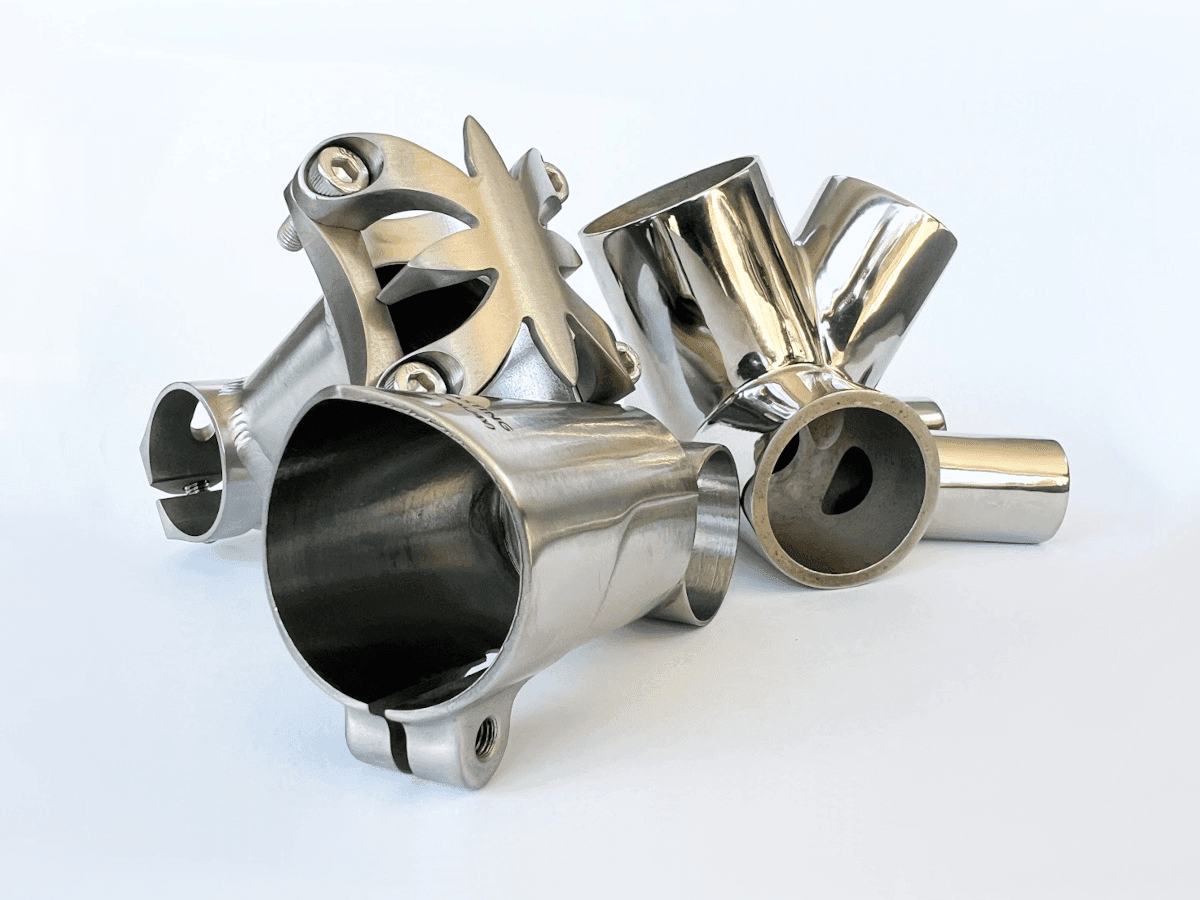
Shape: Fitting, Flange, Fastener, Wire, Rod, Sheet, Plate, Foil, Strip, Pipe, Tube, Mesh, Powder, Foam, etc.
Confirm composition, purity basis and analysis for the selected item.
Titanium Alloys
Cast Titanium Alloy, Titanium Clad Copper Parts, Nitinol Alloy, Platinized Titanium, Zirconium Titanium Alloy, Titanium Aluminum Clad Alloy, FeTi Alloy, Spherical TA15 Powder, Titanium 5553 Master Alloy, Titanium 6242 Alloy, Titanium 6246 Alloy, etc.
Shapes: Foil/Strip, Sheet/Board, Tube/Pipe, Rod/Bar, Wire, Disc, Powder, etc.
Titanium Compounds & Catalysts
Titanium Carbide, Titanium Carbonitride, Titanium Nitride, Titanium Oxide, Titanium Diboride, Titanium Zirconium Oxide, Titanium(IV) Oxyacetylacetonate, Titanium Disilicide (TiSi2) Powder, Strontium Titanate Powder
Titanium Evaporation Materials
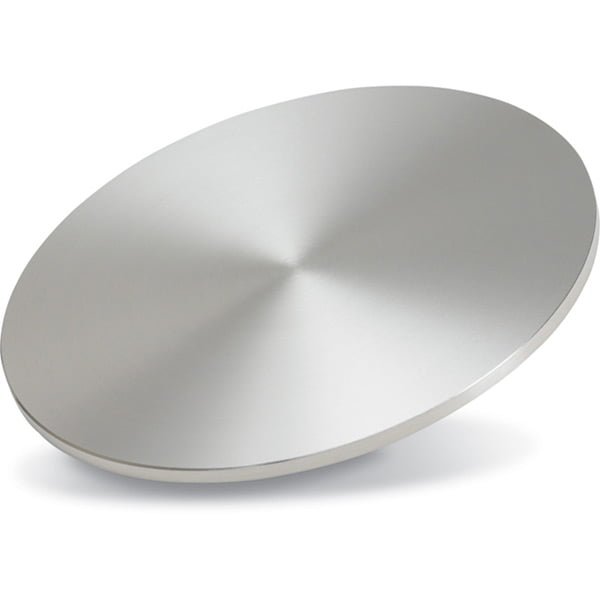
Ti, Al/Ti, Cr/Ti, Co/Ti, Mo/Ti, Ni/Ti, Ti/Al/V, W/Ti, V/Ti, Zr/ Ti, Ti2O3, Ti3O5, TiO2, TiO, TiN, TiC, TiF3, TiSi2, TiB2, TiSe2 Evaporation Materials, etc.
Confirm composition, purity basis and analysis for the selected item.
Other Titanium Products
Titanium-doped Sapphire Crystal, Alumina Titanium Oxide for Thermal Spraying, Chromium Oxide 4% Silicon Oxide 3% titanium Oxide for Thermal Spraying, Chromium Oxide 40% Titanium Oxide For Thermal Spraying, Rutile TiO2 Crystal Substrate, TiS2 Crystal.
Confirm composition, purity basis and analysis for the selected item.
Read these technical guides alongside the required product specification and order documents.
Compare the alloy designations; use the ASTM scope guide above and the required ELI analysis for procurement acceptance.
Review flat-product applications, machining and wear considerations, then confirm grade and thickness on the product page.
Explore shape-memory tubing and the need to specify transformation behavior, surface and thermomechanical condition.
Define alloy or compound composition clearly when requesting titanium-based deposition materials.
For a titanium quotation: provide the material and grade, product form, standard and edition, dimensions or drawing revision, quantity, condition and surface, operating environment, and inspection or traceability requirements. For NiTi, include transformation-temperature requirements; for deposition materials, specify the composition basis.