
Menu

MOLYBDENUM · WIRE · THERMAL SPRAY
Specify molybdenum wire for thermal spraying, electrical-discharge machining or an agreed high-temperature application. Include the diameter, material condition, surface and spool or cut-length requirements.
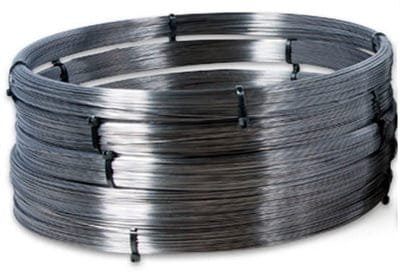
| Parameter | Published option / requirement |
|---|---|
| Material: | Molybdenum (Mo) |
| Published purity option: | 99.95% |
| Surface: | chemically cleaned or black condition, as agreed. |
| Density reference: | 9.9–10.2 g/cm³, depending on the offered material state. |
| Published wire range: | Ø0.02–3 mm. |
| Separately listed sizes: | Ø2.3 mm and Ø3.17 mm. |
Custom diameter requests require confirmation of feasibility, tolerance, condition and quantity.
These are catalogue options for enquiry. Confirm the selected diameter, condition, impurity requirements and inspection documents during quotation.
Specify wire diameter, surface cleanliness, feed equipment, spool format and intended coating process. Confirm wire and equipment compatibility for flame or plasma spraying.
Define the machine type, wire diameter, diameter tolerance, tensile and feed requirements. A general molybdenum wire listing does not establish compatibility with every EDM machine.
For heating elements, supports, filaments or other electrical components, include temperature, atmosphere, mechanical load, electrical requirements and forming details.
The original catalogue lists tensile strength of 700–900 MPa. That reference does not define acceptance for every diameter and condition. State the required tensile strength, elongation and test conditions, and confirm the offered wire specification.
ASTM B387/B387M covers molybdenum and molybdenum alloy bar, rod and wire. Specify the required edition, grade, dimensions, condition and inspection scope. A standard reference is not a batch test certificate.
State the atmosphere or vacuum conditions, peak temperature, dwell, mechanical loading and thermal cycle. Molybdenum requires oxidation and process-compatibility review; melting point is not a maximum service-temperature rating.
Specify spool dimensions, winding requirements, wire length or mass, cut lengths if required, identification and surface protection. Confirm any cleanliness and handling requirements for the actual application.
✓ Mo grade, purity and impurity limits
✓ Diameter and tolerance
✓ Material condition and surface
✓ Strength or elongation requirements
✓ Spool, coil or cut-length format
✓ Quantity by length or mass
✓ Machine or operating conditions
✓ Documents and delivery destination
Send the diameter, tolerance, material condition, quantity and intended use. Feasibility and supply requirements are confirmed for the selected wire.
They must be reviewed against the application. Diameter, cleanliness, mechanical properties and the feed format can differ; specify the intended spraying or other process.
No. It is a catalogue reference. Required mechanical properties and their test basis must be agreed for the specified diameter and material condition.
State the requested material certificate, chemistry or impurity limits, dimensional inspection and mechanical test requirements in the RFQ.
Compare molybdenum grade and alloy terminology before specifying the material, product form, and condition for a quotation.
For wire used as an evaporation source, review source form, deposition method and compatibility with the intended evaporation system.
Send diameter, tolerance, material condition, surface, spool or length requirements, quantity and application. Add the requested documentation and delivery destination.