
Menu

MOLYBDENUM · BOLTS · NUTS · THREADED ROD · CUSTOM PARTS
Fasteners for furnace assemblies and drawing-defined equipment components. Compare bolts and screws, nuts and washers, threaded rod and custom fixing parts, then specify the thread, geometry and material requirements for your assembly.
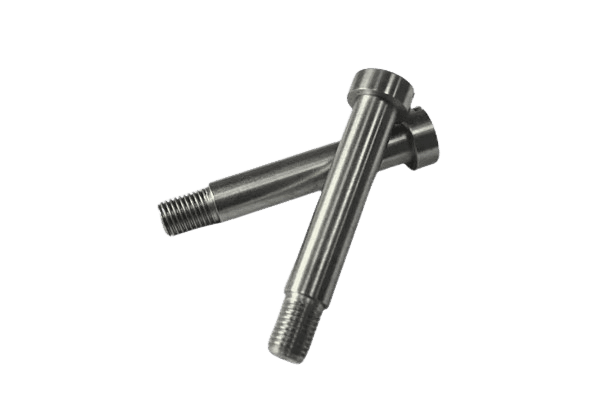
Choose the head and drive geometry, then define the thread, under-head length and any drawing-specific features.

Specify the nut type or washer geometry, mating fastener size and the dimensions required by the assembly.
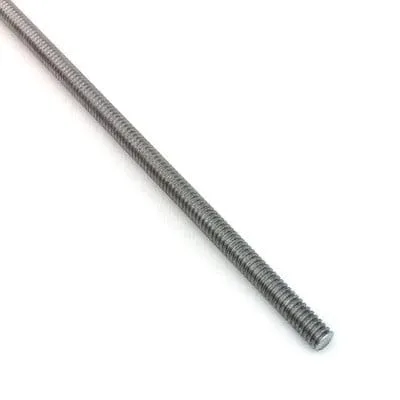
Define thread size, pitch, fit and length, including end details and the quantity required.
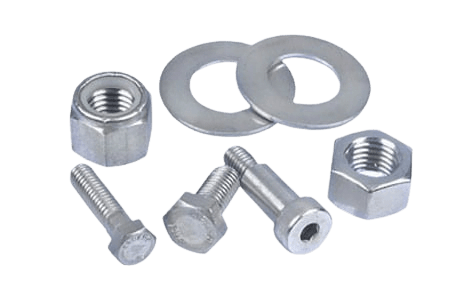
Rivets, anchors, clips, clamps, pins, staples and retaining rings can be reviewed against a component drawing.
| Product / parameter | Published option / quotation requirement |
|---|---|
| Material | Molybdenum (Mo) is the published catalogue material. Agree grade, chemistry and delivery condition for the offered component. |
| Bolts and screws | Published nominal thread range: M3–M10; tailored length. State pitch, thread class, head/drive dimensions and under-head length. |
| Head options | Catalogue descriptions include internal and external hex, flat and fillister heads, with drawing-defined alternatives subject to review. |
| Nuts, washers and gaskets | Published range is associated with M3–M10 fasteners, with custom sizes for review. Define nut threads separately from washer bore, outside diameter and thickness. |
| Listed nut and washer types | Common and flange nuts; flat and spring gasket/washer configurations as identified on the agreed drawing. |
| Threaded rod | Published nominal thread range: M3–M10; tailored length. Specify pitch, fit, usable threaded length and end details. |
| Other fixing parts | Rivet, anchor, clip/clamp, pin, staple and retaining-ring configurations; dimensions to drawing. |
| Standards and acceptance | Name the required drawing or standard and edition, thread requirements, material criteria and inspection documents. Confirm applicability for the actual part. |
M3–M10 is a catalogue size range. Pitch, thread fit, head geometry, tolerances and material acceptance still need to be specified. Availability of a standard or custom configuration is confirmed during quotation.
Send the drawing revision, thread designation, pitch and fit, length, head/drive details and mating dimensions. Identify the surfaces or features that control assembly fit.
Identify the required material and condition, atmosphere, temperature and loading information. State any property or inspection requirement that needs confirmation for the offered part.
List quantities by part number and revision, with required identification, dimensional records and material documents. Include surface protection, packing and delivery requirements.
The catalogue includes bolts and screws, nuts and washers/gaskets, threaded rod and drawing-defined fixing parts such as rivets, pins, clips and retaining rings.
Include the nominal size, pitch, required fit or class, usable thread length and any relevant drawing or standard. Confirm the offered thread and mating requirements before ordering.
Name the exact requirement and edition, then ask what can be supplied and verified for the selected molybdenum part. A catalogue size or general standard reference does not establish material-property certification.
Send a dimensioned drawing with revision, material, quantity and critical tolerances. For washers and gaskets, include bore, outside dimensions, thickness and any forming details.
Provide the atmosphere, temperature, loading, mating materials and assembly requirements available for the project. These inputs support review of the offered material and component configuration.
Further reading on material selection and refractory equipment components.
Background on molybdenum and alloy terminology when discussing the material requirement for a component.
A broader view of refractory components and their interfaces within thermal equipment assemblies.
Send a part list and drawings with revisions, material requirements, thread size and pitch, dimensions and quantity. Include critical fits, service information, inspection documents and required delivery.