
Menu

TANTALUM POWDER SOLUTIONS
Capacitor-grade, metallurgical and spherical tantalum powders. Select by electrical performance, particle size and chemistry, then send your application and quantity for review.
19 capacitor grades · TA031–TA034 metallurgical grades · Nano and micron spherical powders
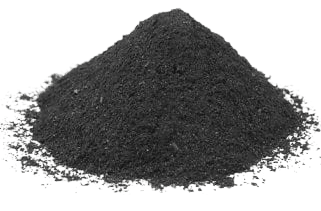
SELECT BY APPLICATION
For tantalum capacitor anodes. Compare CV, DCL, DF, BDV, Fisher size and impurities with your processing requirements.
For powder metallurgy and feedstock evaluation. Compare impurity limits, bulk density and average particle size.
For processes requiring spherical morphology. Specify nano or micron size, distribution, oxygen limit and the relevant density measurement.
CAPACITOR ANODE POWDERS
Start with the required CV and catalogue BDV. Compare leakage, dissipation factor, physical properties and impurity limits against your pressing, sintering and formation process.
| Series | Grades | Catalogue CV (μF·V/g) | Catalogue BDV Min. (V) | Selection Focus |
|---|---|---|---|---|
| High-Capacitance | 5 | 23,000–70,000 | 120–140 | CV, DCL, DF, shrinkage and impurities |
| Medium-Voltage | 5 | 4,200–10,000 | 180–240 | CV, BDV, bulk density and process requirements |
| High-Voltage | 9 | 1,000–3,500 | 300 or 480 | BDV screen, then CV and physical properties |
Series names are catalogue groupings. The numbers 63 and 125 in grade names do not establish the rated working voltage of a finished capacitor.
CV tolerance: +10% / −5%. Confirm electrical test conditions during quotation. BDV is a powder catalogue indicator, not a finished capacitor rating. Fisher size differs from D50; bulk density differs from tap density.
| Grade | Specific Charge / CV (μF·V/g) | DCL Max. [nA/(μF·V)] | DF Max. (%) | BDV Min. (V) | Bulk Density (g/cm³) | Fisher Size (μm) |
|---|---|---|---|---|---|---|
| MT-FTA230 | 23000 | ≤0.4 | ≤15 | ≥140 | 1.7–2.3 | 2.4–3.5 |
| MT-FTA300 | 30000 | ≤0.4 | ≤20 | ≥120 | 1.7–2.3 | 2.4–3.5 |
| MT-FTA400 | 40000 | ≤0.4 | ≤20 | ≥120 | 1.6–2.2 | 2.0–3.5 |
| MT-FTA500 | 50000 | ≤0.4 | ≤25 | ≥120 | 1.6–2.2 | 2.0–3.4 |
| MT-FTA700 | 70000 | ≤0.5 | ≤40 | ≥120 | 1.5–2.1 | 1.8–3.0 |
| Grade | Shrinkage Max. (%) | −325 mesh Fraction Max. (%) |
|---|---|---|
| MT-FTA230 | ≤18 | ≤35 |
| MT-FTA300 | ≤18 | ≤35 |
| MT-FTA400 | ≤18 | ≤35 |
| MT-FTA500 | ≤18 | ≤35 |
| MT-FTA700 | ≤15 | ≤35 |
All impurity values are mass fractions in ppm, maximum. “Not listed” means the source does not state a limit; it does not mean zero.
| Impurity (ppm, max.) | MT-FTA230 | MT-FTA300 | MT-FTA400 | MT-FTA500 | MT-FTA700 |
|---|---|---|---|---|---|
| Fe | ≤30 | ≤30 | ≤30 | ≤30 | ≤30 |
| Ni | ≤30 | ≤30 | ≤30 | ≤30 | ≤30 |
| Cr | ≤20 | ≤20 | ≤20 | ≤20 | ≤20 |
| Si | ≤20 | ≤20 | ≤20 | ≤20 | ≤20 |
| Ti | ≤5 | ≤5 | ≤5 | ≤5 | ≤5 |
| Nb | ≤30 | ≤30 | ≤30 | ≤30 | ≤30 |
| K+Na | ≤20 | ≤30 | ≤30 | ≤30 | ≤40 |
| W | ≤10 | ≤10 | ≤10 | ≤10 | ≤10 |
| Mo | ≤5 | ≤5 | ≤5 | ≤5 | ≤5 |
| O | ≤2500 | ≤2500 | ≤3000 | ≤3500 | ≤4000 |
| C | ≤30 | ≤30 | ≤40 | ≤40 | ≤40 |
| N | ≤150 | ≤400 | ≤500 | ≤500 | ≤1000 |
| H | ≤120 | ≤120 | ≤170 | ≤170 | ≤180 |
| Grade | Specific Charge / CV (μF·V/g) | DCL Max. [nA/(μF·V)] | DF Max. (%) | BDV Min. (V) | Bulk Density (g/cm³) | Fisher Size (μm) |
|---|---|---|---|---|---|---|
| MT-FDP-100 | 10000 | ≤0.4 | ≤10 | ≥180 | 1.5–2.3 | 3.0–5.0 |
| MT-FDP-80 | 8000 | ≤0.4 | ≤10 | ≥230 | 1.7–2.5 | 3.0–5.0 |
| MT-FDB-52 | 5200 | ≤0.4 | ≤8 | ≥240 | 3.0–4.0 | 4.5–8.0 |
| MT-FTa40-42 | 4200 | ≤0.5 | ≤8 | ≥240 | 3.5–4.5 | 5.0–9.0 |
| MT-FTa-100 | 10000 | ≤0.4 | ≤10 | ≥180 | 1.5–2.3 | 3.0–5.0 |
Catalogue sieve fraction: −325 mesh, ≤30% for all five Medium-Voltage grades.
All impurity values are mass fractions in ppm, maximum. “Not listed” means the source does not state a limit; it does not mean zero.
| Impurity (ppm, max.) | MT-FDP-100 | MT-FDP-80 | MT-FDB-52 | MT-FTa40-42 | MT-FTa-100 |
|---|---|---|---|---|---|
| Fe | ≤50 | ≤50 | ≤35 | ≤35 | ≤35 |
| Ni | ≤10 | ≤10 | ≤10 | ≤10 | ≤10 |
| Cr | ≤15 | ≤15 | ≤15 | ≤15 | ≤15 |
| Si | ≤20 | ≤20 | ≤20 | ≤20 | ≤20 |
| Ti | ≤5 | ≤5 | ≤5 | ≤5 | ≤5 |
| Nb | ≤30 | ≤30 | ≤30 | ≤30 | ≤30 |
| Na | ≤15 | ≤10 | ≤10 | ≤10 | ≤20 |
| W | ≤20 | ≤20 | ≤20 | ≤20 | ≤20 |
| Al | ≤5 | ≤5 | ≤5 | ≤5 | ≤5 |
| Mn | Not listed | Not listed | ≤5 | Not listed | Not listed |
| Mo | Not listed | Not listed | ≤10 | Not listed | Not listed |
| O | ≤2200 | ≤2100 | ≤1700 | ≤1700 | ≤2200 |
| C | ≤60 | ≤60 | ≤45 | ≤45 | ≤45 |
| N | ≤100 | ≤100 | ≤50 | ≤50 | ≤150 |
| Grade | Specific Charge / CV (μF·V/g) | DCL Max. [nA/(μF·V)] | DF Max. (%) | BDV Min. (V) | Bulk Density (g/cm³) | Fisher Size (μm) |
|---|---|---|---|---|---|---|
| MT-FTa63-35 | 3500 | ≤0.7 | ≤6 | ≥300 | 3.5–4.5 | 8.0–12.0 |
| MT-FTa63-28 | 2800 | ≤0.7 | ≤5 | ≥300 | 3.5–5.5 | 8.0–12.0 |
| MT-FTa63-25 | 2500 | ≤0.7 | ≤4 | ≥300 | 4.0–6.0 | 9.0–14.0 |
| MT-FTa63-20 | 2000 | ≤0.7 | ≤3 | ≥300 | 4.0–6.0 | 8.0–13.0 |
| MT-FTa63-15 | 1500 | ≤0.7 | ≤3 | ≥300 | 5.0–6.5 | 9.0–15.0 |
| MT-FTa63-10 | 1000 | ≤0.7 | ≤3 | ≥300 | 5.5–6.5 | 10.0–20.0 |
All impurity values are mass fractions in ppm, maximum. “Not listed” means the source does not state a limit; it does not mean zero.
| Impurity (ppm, max.) | MT-FTa63-35 | MT-FTa63-28 | MT-FTa63-25 | MT-FTa63-20 | MT-FTa63-15 | MT-FTa63-10 |
|---|---|---|---|---|---|---|
| Fe | ≤30 | ≤20 | ≤20 | ≤15 | ≤15 | ≤15 |
| Ni | ≤15 | ≤10 | ≤10 | ≤10 | ≤10 | ≤10 |
| Cr | ≤15 | ≤10 | ≤10 | ≤10 | ≤10 | ≤10 |
| Si | ≤20 | ≤20 | ≤20 | ≤20 | ≤20 | ≤20 |
| Ti | ≤10 | ≤10 | ≤10 | ≤5 | ≤5 | ≤5 |
| Nb | ≤30 | ≤30 | ≤30 | ≤30 | ≤30 | ≤30 |
| W | ≤10 | ≤10 | ≤10 | ≤10 | ≤10 | ≤10 |
| Al | ≤5 | ≤5 | ≤5 | ≤5 | ≤5 | ≤5 |
| Mn | ≤5 | ≤5 | ≤5 | ≤5 | ≤5 | ≤5 |
| Mo | ≤10 | ≤10 | ≤10 | ≤10 | ≤10 | ≤10 |
| O | ≤1600 | ≤1400 | ≤1400 | ≤1200 | ≤1000 | ≤1000 |
| C | ≤40 | ≤30 | ≤30 | ≤25 | ≤25 | ≤25 |
| N | ≤60 | ≤40 | ≤40 | ≤40 | ≤40 | ≤40 |
| Grade | Specific Charge / CV (μF·V/g) | DCL Max. [nA/(μF·V)] | DF Max. (%) | BDV Min. (V) | Bulk Density (g/cm³) | Fisher Size (μm) |
|---|---|---|---|---|---|---|
| MT-FTa125-20 | 2000 | ≤0.7 | ≤4 | ≥480 | 4.5–6.0 | 8.0–12.0 |
| MT-FTa125-15 | 1500 | ≤0.7 | ≤4 | ≥480 | 5.0–6.5 | 10.0–14.0 |
| MT-FTa125-10 | 1000 | ≤0.7 | ≤4 | ≥480 | 5.5–6.5 | 25.0–35.0 |
All impurity values are mass fractions in ppm, maximum. “Not listed” means the source does not state a limit; it does not mean zero.
| Impurity (ppm, max.) | MT-FTa125-20 | MT-FTa125-15 | MT-FTa125-10 |
|---|---|---|---|
| Fe | ≤10 | ≤10 | ≤10 |
| Ni | ≤10 | ≤10 | ≤10 |
| Cr | ≤10 | ≤10 | ≤10 |
| Si | ≤20 | ≤20 | ≤20 |
| Ti | ≤5 | ≤5 | ≤5 |
| Nb | ≤30 | ≤30 | ≤30 |
| W | ≤10 | ≤10 | ≤10 |
| Al | ≤5 | ≤5 | ≤5 |
| Mn | ≤5 | ≤5 | ≤5 |
| Mo | ≤10 | ≤10 | ≤10 |
| O | ≤1200 | ≤1000 | ≤1000 |
| C | ≤25 | ≤25 | ≤25 |
| N | ≤40 | ≤40 | ≤40 |
For Medium-Voltage grades, Mn and Mo limits are listed only for MT-FDB-52. Request confirmation of unlisted limits when these elements matter to your process.
High-Capacitance: start with CV per unit mass, then compare leakage, dissipation factor, shrinkage and impurity limits.
Medium-Voltage: balance CV, catalogue BDV, bulk density and processing requirements.
High-Voltage: screen using the catalogue BDV criterion, then compare CV, Fisher size and bulk density.
| Compare | Catalogue Differences | Selection Implication |
|---|---|---|
| MT-FTA500 vs MT-FTA700 | CV: 50,000 vs 70,000 μF·V/g; DCL max.: 0.4 vs 0.5 nA/(μF·V); DF max.: 25% vs 40%; shrinkage max.: 18% vs 15%. | MT-FTA700 has higher CV and higher DCL/DF limits. It is not better on every criterion. |
| MT-FTa63-20 vs MT-FTa125-20 | Both have CV 2,000 μF·V/g. BDV min.: 300 vs 480 V; DF max.: 3% vs 4%. | Matching CV does not establish interchangeability. Confirm electrical test conditions and process compatibility. |
| MT-FDP-100 vs MT-FTa-100 | Core electrical and physical values match in the catalogue. Fe max.: 50 vs 35 ppm; Na: 15 vs 20 ppm; C: 60 vs 45 ppm; N: 100 vs 150 ppm. | Check critical impurities even when the main electrical and physical specifications are similar. |
For replacement evaluation, provide your current powder specification and processing conditions. CV alone does not demonstrate equivalence. These comparisons support initial screening and do not predict finished-capacitor performance.
Use these catalogue designations when reviewing an existing specification. They are separate from the 19 MT- grades; no cross-reference or equivalence has been established.
| Grade | Chemical Compositions | Physical Properties | Electrical Properties | |||
|---|---|---|---|---|---|---|
| Impurities ppm≤ | SBD | Fsss | Capacitance | Dc Leakage | ||
| O | N | (g/cc) | (μm) | (μFV/g) | (μA/μFV) | |
| TaA01 | 1800 | 100 | 1.9-2.5 | 4.5-7.5 | 6000+10 -5% | <2.0×10⁻⁴ |
| TaA02 | 2200 | 120 | 1.8-2.3 | 4.5-6.5 | 8000+10 -5% | <2.0×10⁻⁴ |
| TaA03 | 2400 | 150 | 1.7-2.1 | 2.5-4.5 | 15000+10 -5% | <2.2×10⁻⁴ |
| TaA04 | 1800 | 150 | 1.6-2.0 | 2.4-3.5 | 23000+10 -5% | <2.2×10⁻⁴ |
| TaA05 | 2300 | 400 | 1.7-2.1 | 2.4-3.5 | 32000+10 -5% | <2.5×10⁻⁴ |
| TaA06 | 2500 | 400 | 1.6-2.0 | 2.0-3.5 | 40000+10 -5% | <2.5×10⁻⁴ |
| TaA07 | 3200 | 400 | 1.6-2.0 | 2.0-3.4 | 50000+10 -5% | <2.5×10⁻⁴ |
| TaA08 | 3600 | 600 | 1.5-1.9 | 1.8-3.0 | 70000+10 -5% | <2.8×10⁻⁴ |
| TaA09 | 5000 | 1500 | 1.5-1.9 | 1.4-2.8 | 80000+10 -5% | <3.1×10⁻⁴ |
| TaA10 | 6000 | 1500 | 1.4-2.3 | 1.2-2.6 | 100000+5 -5% | <3.5×10⁻⁴ |
| TaA11 | 7500 | 1800 | 1.7-1.9 | 0.8-2.2 | 120000+5 -5% | <3.5×10⁻⁴ |
| TaA12 | 8500 | 2500 | 1.4-2.0 | 1.1-2.3 | 150000+5 -5% | <3.5×10⁻⁴ |
| TaA13 | 9500 | 2700 | 1.68-1.98 | 1.6-2.8 | 170000+5 -5% | <4.0×10⁻⁴ |
| TaA14 | 11500 | 3000 | 1.6-2.1 | 1.0-2.6 | 200000+5 -5% | <4.5×10⁻⁴ |
| Grade | Bulk Density | Average Particle Size | Impurities ppm≤ | |
|---|---|---|---|---|
| g/cm3 | μm | O | N | |
| TaB01 | 1.8-3.5 | 5.0-9.5 | 1600 | 60 |
| TaB02 | 1.5-3.0 | 3.5-6.0 | 2200 | 150 |
| TaB03 | 1.5-2.5 | 3.0-6.0 | 2000 | 150 |
| TaB04 | 1.5-2.5 | 3.0-5.5 | 2200 | 150 |
| TaB05 | 1.3-2.0 | 2.0-4.5 | 2200 | 200 |
| TaB06 | 1.5-2.0 | 2.0-4.0 | 2500 | 300 |
| TaB07 | 1.5-2.0 | 2.0-4.0 | 2500 | 300 |
| TaB08 | 1.3-2.0 | 1.5-3.5 | 2800 | 400 |
| Grade | Inspection Condition | Standard Condition | ||||
|---|---|---|---|---|---|---|
| Briquetting Weight | Briquetting Density | Sintering Condition | Energized Voltage/Test Voltage | Capacitance | Dc Leakage | |
| (g) | (g/cm3) | (℃/min) | (V) | (μFV)/g | μA/(μFV) ≤ | |
| TaB01 | 2 | 6.5 | 1850/30 | 240/170 | 5000 | 6×10⁻⁴ |
| TaB02 | 1 | 5.5 | 1750/30 | 200/140 | 800 | 4.5×10⁻⁴ |
| TaB03 | 0.2 | 5.5 | 1750/30 | 200/140 | 8000 | 4×10⁻⁴ |
| TaB04 | 1 | 5.5 | 1700/30 | 160/112 | 10000 | 4×10⁻⁴ |
| TaB05 | 0.5 | 5 | 1600/30 | 160/112 | 15000 | 5.5×10⁻⁴ |
| TaB06 | 0.15 | 5 | 1500/30 | 140/98 | 20000 | 5×10⁻⁴ |
| TaB07 | 0.15 | 5 | 1450/30 | 100/70 | 30000 | 5×10⁻⁴ |
| TaB08 | 0.15 | 5 | 1400/30 | 70/49 | 40000 | 5×10⁻⁴ |
| Grade | Bulk Density | Average Particle Size | Impurities ppm≤ | |
|---|---|---|---|---|
| g/cm3 | μm | O | N | |
| TaC01 | 5.0-7.5 | 11.0-17.0 | 1000 | 40 |
| TaC02 | 4.5-6.5 | 10.0-16.0 | 1100 | 40 |
| TaC03 | 4.5-6.5 | 9.0-15.0 | 1100 | 40 |
| TaC04 | 4.5-6.0 | 8.0-14.0 | 1200 | 40 |
| TaC05 | 3.0-5.5 | 8.0-13.0 | 1300 | 40 |
| TaC06 | 3.0-4.5 | 7.0-12.0 | 1400 | 50 |
| TaC07 | 2.5-4.5 | 5.0-7.5 | 2500 | 100 |
| Grade | Inspection Condition | Standard Condition | ||||
|---|---|---|---|---|---|---|
| Briquetting Weight | Briquetting Density | Sintering Condition | Energized Voltage/Test Voltage | Capacitance | Dc. Leakage | |
| (g) | (g/cm3) | (℃/min) | (V) | (μFV)/g | μA/(μFV) | |
| TaC01 | 2 | 9.5 | 2050/30 | 270/240 | 1000 | 6×10⁻⁴ |
| TaC02 | 2 | 8.5 | 2050/30 | 270/240 | 1500 | 6×10⁻⁴ |
| TaC03 | 2 | 8.5 | 2050/30 | 270/240 | 200 | 6×10⁻⁴ |
| TaC04 | 2 | 7.5 | 2050/30 | 270/240 | 2500 | 7×10⁻⁴ |
| TaC05 | 2 | 7.5 | 2050/30 | 270/240 | 2800 | 7×10⁻⁴ |
| TaC06 | 2 | 6.5 | 1950/30 | 270/240 | 3500 | 7×10⁻⁴ |
| TaC07 | 2 | 6.5 | 2050/30 | 270/240 | 4000 | 7×10⁻⁴ |
The historical voltage labels identify catalogue groups. TaB/TaC test conditions apply to their own tables. TaB02 CV (800) and TaC03 CV (200) require confirmation before selection. Nominal purity options of 99.9%, 99.99% and 99.999% require grade-specific confirmation.
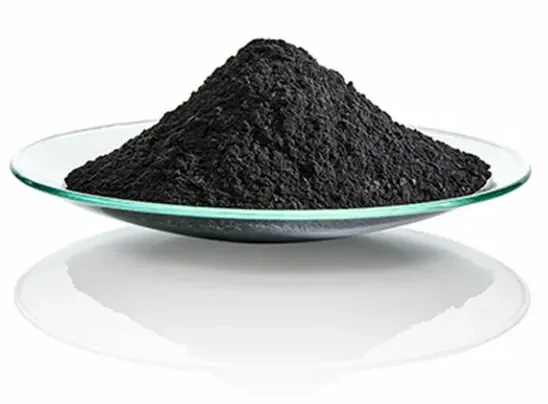
The range includes nominal Ta purity options of 99.9%, 99.99% and 99.999%. Confirm the required option against a grade-specific specification; these purity descriptions do not apply to the capacitor grades listed separately on this page.
Reference properties of tantalum metal: melting point 3,017 °C; density 16.6 g/cm³. Metal density is distinct from powder bulk density and tap density.
| Grade | Bulk Density (g/cm³) | Average Particle Size (μm) |
|---|---|---|
| TA031 | 5.0–7.5 | 6.0–13.0 |
| TA032 | 4.5–7.0 | 6.0–12.0 |
| TA033 | 3.5–7.0 | 5.0–12.0 |
| TA034 | 3.5–7.0 | 5.0–12.0 |
| Grade | O | H | N | C | Fe | Ni | Cr | Si | Ti | Nb | W | Mo | Mn |
|---|---|---|---|---|---|---|---|---|---|---|---|---|---|
| TA031 | 1500 | 30 | 50 | 50 | 10 | 5 | 5 | 10 | 5 | 10 | 5 | 5 | 5 |
| TA032 | 1800 | 30 | 150 | 80 | 50 | 50 | 30 | 50 | 10 | 50 | 30 | 20 | 10 |
| TA033 | 2000 | 50 | 150 | 150 | 50 | 50 | 50 | 100 | 10 | 50 | 30 | 20 | 10 |
| TA034 | 3000 | 100 | 450 | 200 | 200 | 200 | 200 | 300 | 100 | 300 | 100 | 100 | 10 |
Average particle size follows the catalogue measurement and should not be substituted for D50.
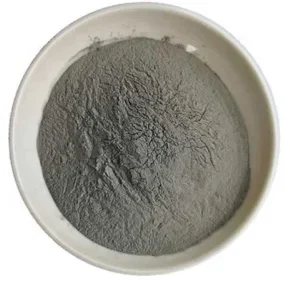
The spherical range covers nominal 50 nm and 100 nm powders and 1–10 μm, 5–25 μm and 15–45 μm options, with custom-size inquiries. Specify the process, size distribution and chemistry limits required for evaluation.
Applications include cold spraying, plasma spraying, target and alloy additives, shielding parts, and evaluation for surgical metal implants and orthopedic prostheses. Medical applications require customer-specific qualification; this listing does not establish a certification.
| Ta (%) | Ti (%) | W (%) | Mo (%) | Cr (%) | Fe (%) | O (%) |
|---|---|---|---|---|---|---|
| >99.9 | <0.001 | <0.001 | <0.001 | <0.0001 | <0.01 | <0.8 |
| Powder Morphology | Particle Size Distribution (nm) | Specific Surface Area (m2/g) | ||||
| D10 | D50 | D90 | ||||
| Spherical | 0-30 | 50-60 | <300 | ≥10.0 | ||
| Ta (%) | Ti (%) | W (%) | Mo (%) | Cr (%) | Fe (%) | O (%) |
|---|---|---|---|---|---|---|
| >99.9 | <0.001 | <0.001 | <0.001 | <0.0001 | <0.01 | <0.5 |
| Powder Morphology | Particle Size Distribution (nm) | Specific Surface Area (m2/g) | ||||
| D10 | D50 | D90 | ||||
| Spherical | 30-60 | 80-100 | <1000 | ≥8.0 | ||
| Ta (%) | Ti (%) | W (%) | Mo (%) | Cr (%) | Fe (%) | O (%) |
|---|---|---|---|---|---|---|
| >99.9 | <0.001 | <0.001 | <0.001 | <0.0001 | <0.01 | <0.08 |
| Sphericity (%) | Particle Size Distribution (nm) | Tap Density (g/cm3) | ||||
| D10 | D50 | D90 | ||||
| >94 | >1 | 5±2 | <10 | ≥10.5 | ||
| Ta (%) | Ti (%) | W (%) | Mo (%) | Cr (%) | Fe (%) | O (%) |
|---|---|---|---|---|---|---|
| >99.9 | <0.001 | <0.001 | <0.001 | <0.0001 | <0.01 | <0.02 |
| Sphericity (%) | Particle Size Distribution (nm) | Bulk Density (g/cm3) | Tap Density (g/cm3) | Fluidity (s/50g) | ||
| D10 | D50 | D90 | ||||
| >94 | ≥5 | 15±3 | ≤25 | ≥10.0 | ≥10.5 | ≤8.0 |
| Ta (%) | Ti (%) | W (%) | Mo (%) | Cr (%) | Fe (%) | O (%) |
|---|---|---|---|---|---|---|
| >99.9 | <0.001 | <0.001 | <0.001 | <0.0001 | <0.01 | <0.01 |
| Sphericity (%) | Particle Size Distribution (nm) | Bulk Density (g/cm3) | Tap Density (g/cm3) | Fluidity (s/50g) | ||
| D10 | D50 | D90 | ||||
| >94 | >15 | 30±3 | <45 | ≥9.5 | ≥10.0 | ≤6.0 |
Confirm the distribution unit for the 1–10 μm, 5–25 μm and 15–45 μm options before purchasing. Their catalogue tables label the distribution as nm. The listed values have not been converted.
Chemistry values in the spherical tables are percentages as published. Bulk density and tap density remain separate measurements. The nano distributions do not define the Fisher size of capacitor-grade powders.
Use the grade specification to define acceptance criteria. In your inquiry, request confirmation of the applicable specification revision, available batch CoA and the test methods associated with the reported results.
For capacitor grades, agree the electrical test conditions before comparing CV, DCL, DF or BDV. Include pressing density, sintering and formation conditions where available.
Confirm packaging, handling and storage requirements for the selected powder, and refer to its safety data. Use the particle-size reference as a guide; it does not convert Fisher size into D50.
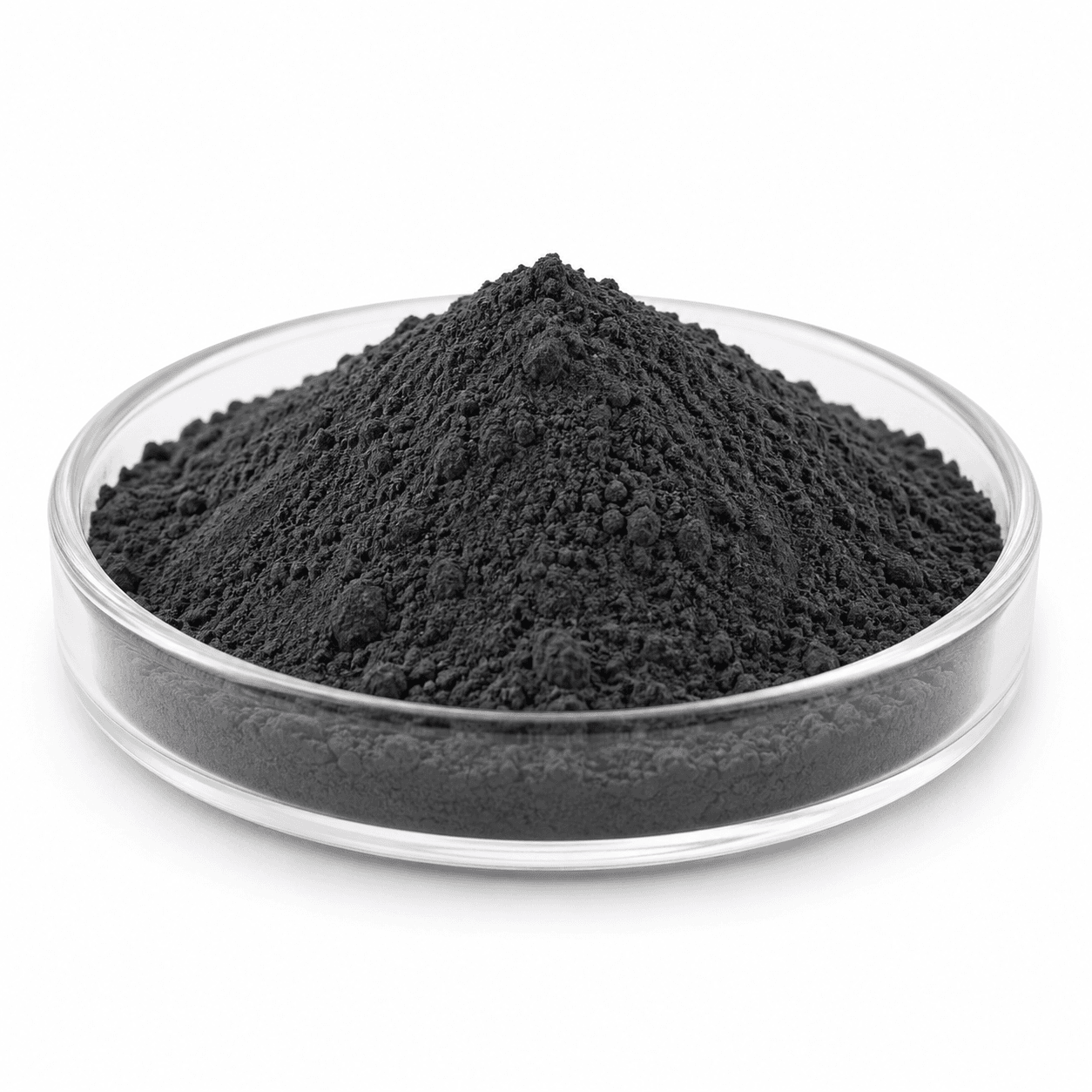
Tantalum diboride is a separate compound and is not included in the metal tantalum powder specifications above.
Catalogue options: TaB₂ 99.5%, 99.9%, 99.99%; melting point approximately 3,000 °C; material density 11.6 g/cm³; CAS 12007-35-1.
These documents apply to TaB₂. The batch CoA is not a specification or batch certificate for metallic tantalum powder.
Start with the required CV and catalogue BDV, then compare DCL, DF, Fisher size, bulk density and impurity limits. Confirm electrical test conditions and validate the grade using your pressing, sintering and formation process.
No. Higher CV may be accompanied by different leakage, loss, shrinkage and impurity limits. For example, MT-FTA700 has higher CV than MT-FTA500, but its catalogue DCL and DF limits are also higher.
No. The catalogue BDV is a breakdown-voltage indicator. It does not establish the rated working voltage of a finished capacitor. Grade names containing 63 or 125 also do not establish that rating.
No. Fisher size and D50 are different particle-size measurements. Use the parameter and method stated in the grade specification; do not substitute one for the other.
Provide the grade or target CV, capacitor rated voltage, formation voltage, DCL/DF requirements, pressing density, sintering conditions, particle-size and bulk-density requirements, critical impurities and trial quantity or estimated demand. Include your current powder specification for replacement evaluation.
Choose a grade from the tables or tell us your application, quantity and required delivery. Add the technical details available for your project.
Selected grade: No grade selected
Keep the full MT- grade name in your inquiry. Copy this brief into Project Details / Specifications in the existing quote form. If no grade is selected automatically, enter the grade shown in the specification table.