
Menu

THERMOCOUPLE PROTECTION · TUNGSTEN · MOLYBDENUM · CERAMICS · ALLOYS
Specify the sheath material, closed-end geometry and sensor fit for the actual process. MetalsTek lists tungsten, molybdenum, ceramic and metallic-alloy options, with custom dimensions and connection details reviewed against your drawing.
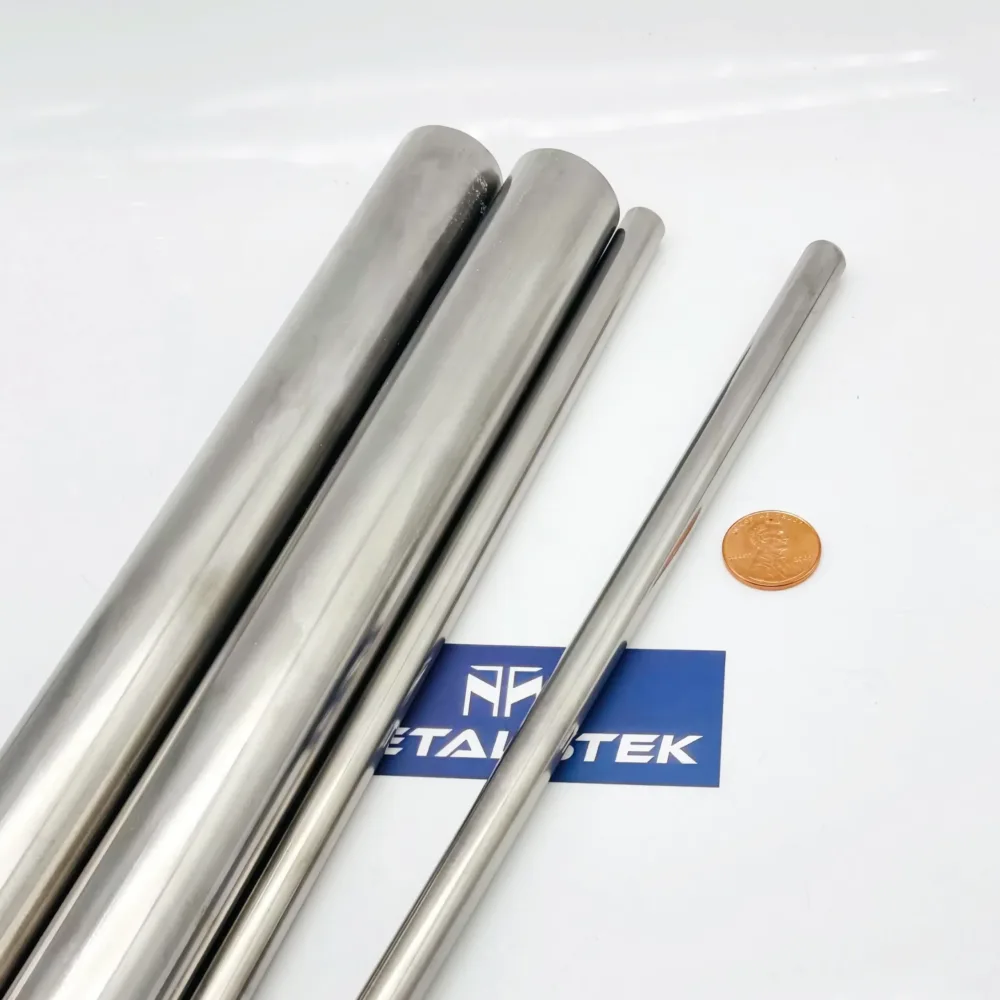
Existing MetalsTek product photograph. Material, dimensions and end design are confirmed with the quotation.
Choose a grade for the temperature, atmosphere, contact medium and mechanical requirements. A material name or melting point does not establish an allowable sheath service temperature.
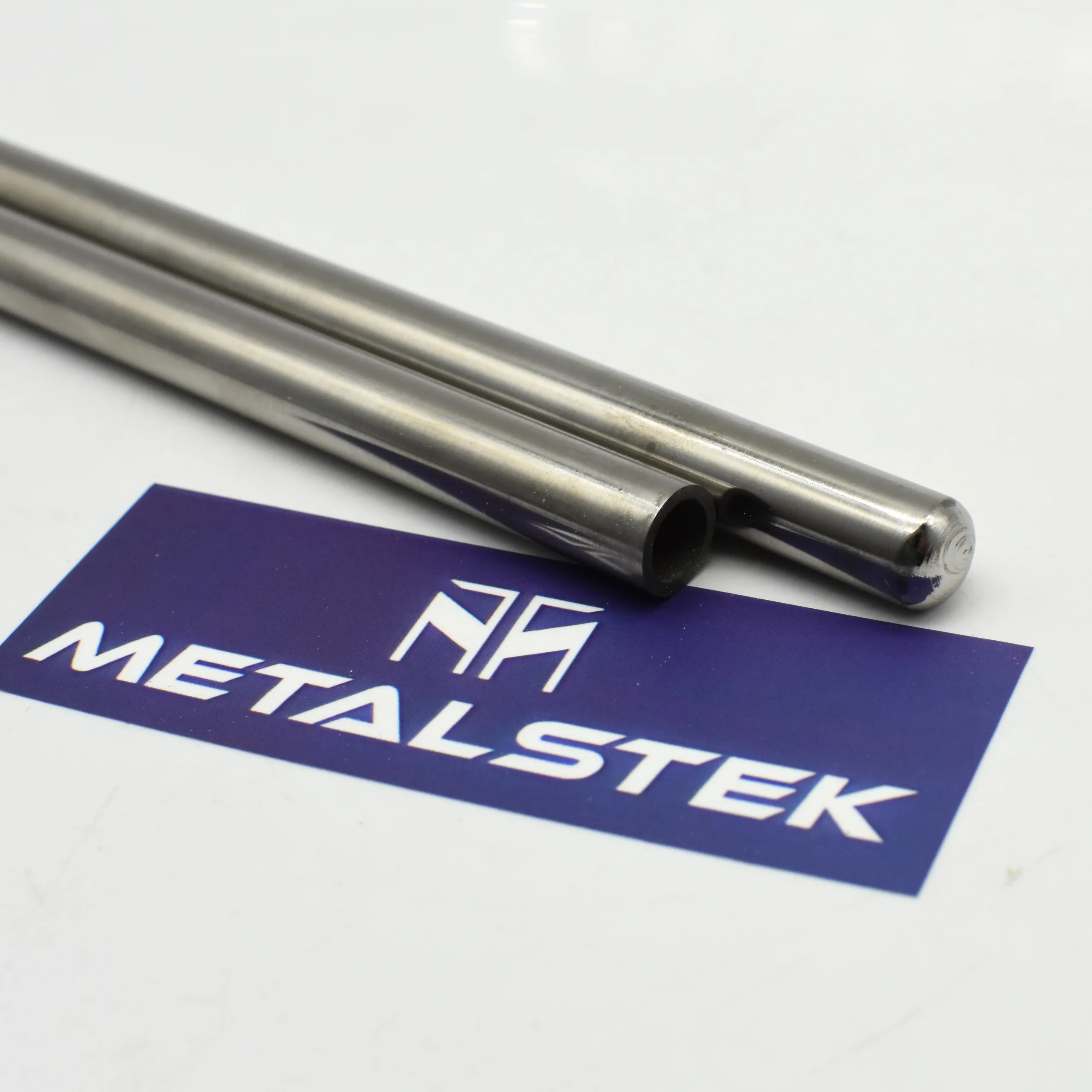
Published W purity options span 99–99.99%. The catalogue lists a tube with one endcap; confirm the end construction, sensor bore and dimensional combination.
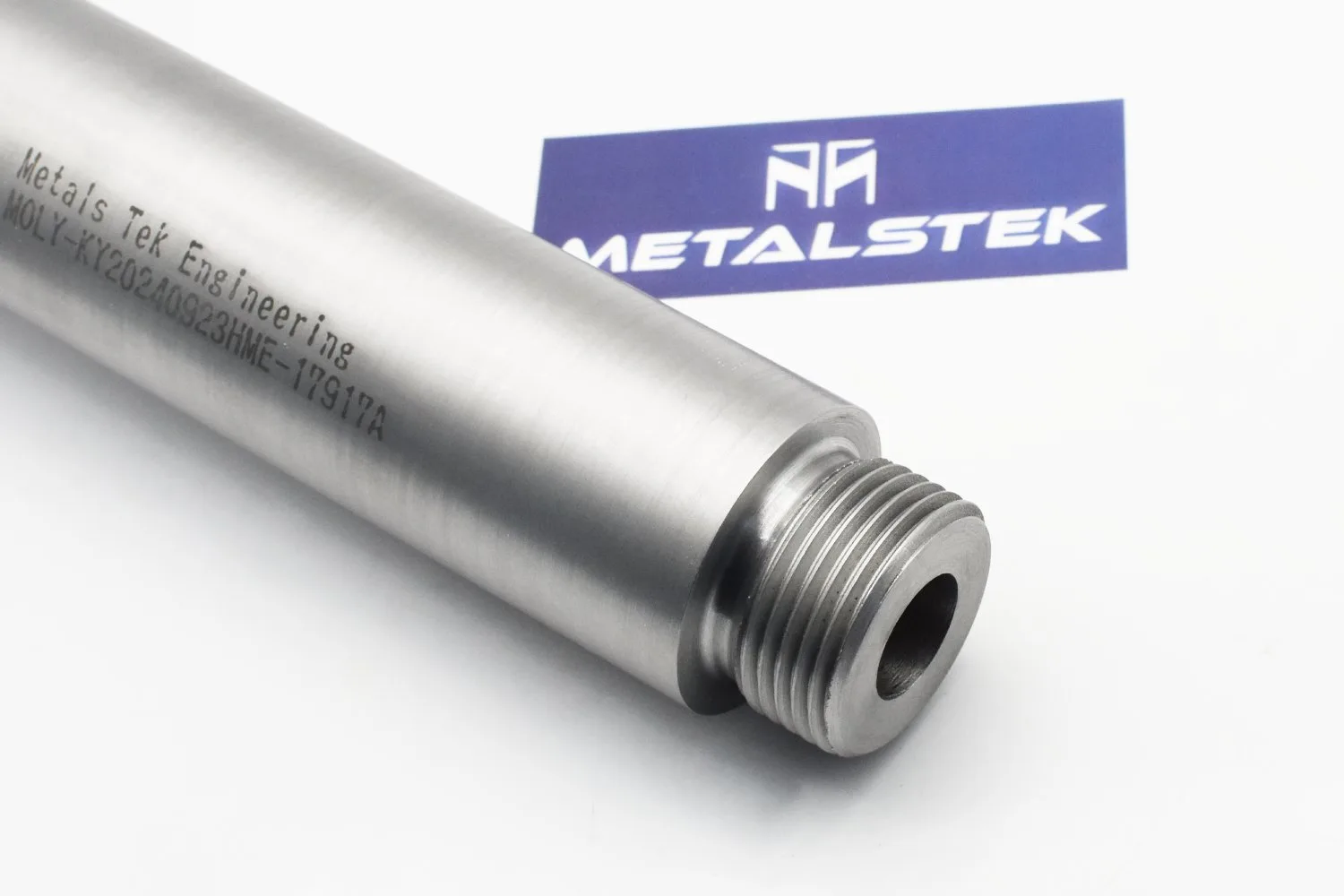
Published material options are Mo, Mo-1 and Mo-2 with 99.95% minimum purity. Define the grade, bore geometry, end design and surface requirements.
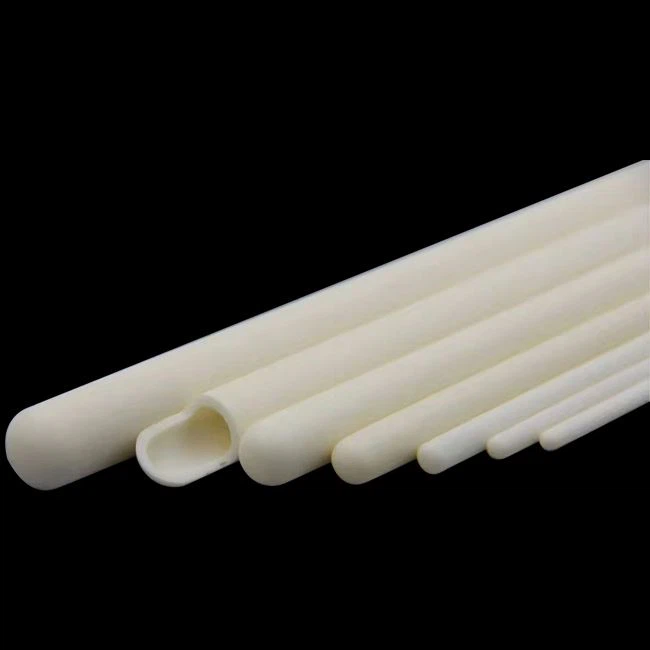
Alumina, zirconia and custom ceramic requests are listed. Specify ceramic chemistry, purity grade, end design and tailored dimensions for review.
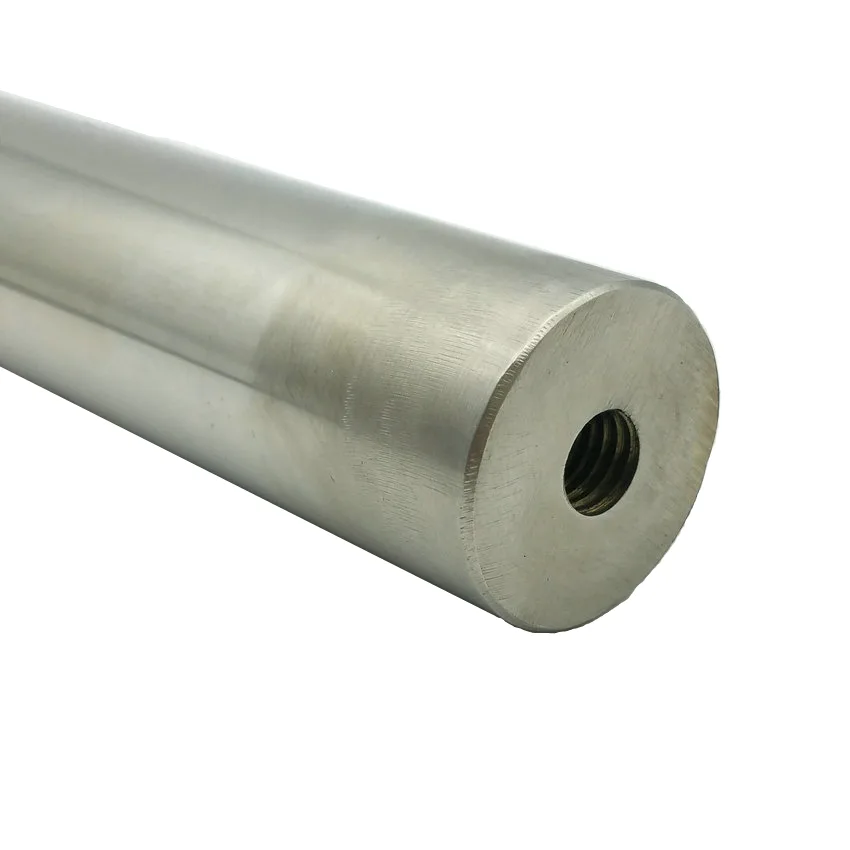
The inherited catalogue includes stainless-steel and other alloy families. Give the exact grade rather than treating Inconel, Monel or other trade names as a stainless-steel specification.
| Material / parameter | Published catalogue option |
|---|---|
| Tungsten purity / form | W 99–99.99%; tube with one endcap. Confirm the required grade and end construction. |
| Tungsten dimensions | Diameter 3–500 mm; thickness 0.4–30 mm; length <2,000 mm. Confirm the diameter and thickness definitions, drawing and feasible combination. |
| Molybdenum material / purity | Mo, Mo-1 or Mo-2; 99.95% minimum. Specify the grade definition and chemical acceptance limits. |
| Molybdenum dimensions | Diameter 0.5–600 mm; wall 0.1–30 mm; length 5–6,000 mm. The envelope does not establish that every combination is available as a closed-end sheath. |
| Ceramic options | Alumina, zirconia or custom; listed purity grades 95%, 99%, 99.9%, with custom requests. Tailored sizes; tube with one endcap or custom shape. Confirm the chemistry and purity basis for the selected ceramic. |
| Metallic-alloy form | Stainless steel or another specified alloy grade; tube with one end capped or custom shape, finished surface. Exact grade, dimensions and end construction require confirmation. |
| Surface and connection options | W: machined, cleaned or finished. Mo: polished (catalogue Ra <3.2) or chemically cleaned. The existing page also lists threaded ends and flanged connections for drawing review. |
These are inherited catalogue options, not measured batch results or a universal service rating. Confirm the exact size combination, material condition, bore, end wall, connections and inspection requirements with the quotation.
The existing W catalogue lists density >18.5 g/cc and Vickers hardness >450 HV. Material condition, measurement method and test conditions are not provided. These are inherited reference values, not batch measurements or confirmed acceptance guarantees.
Agree the grade, density, hardness and supporting documents if these are requirements for the order.
The inherited Mo specification cites ASTM B386, a standard for molybdenum and molybdenum-alloy flat products. That reference alone does not establish finished-sheath compliance. Agree the applicable material requirements, edition, drawing and acceptance criteria.
The source notation “Ra <3.2” does not state a roughness unit or measurement method. Define those details and whether the limit applies to the bore, outside surface or both.
Alumina and zirconia are separate ceramic material families. Confirm the selected chemistry, additives where relevant, purity basis and acceptance requirements; the listed purity grades are not interchangeable specifications for every ceramic.
The old metallic-alloy list reads “Inconel, Duplex, Monel, Incoloy, HastelloyAus Steel, SS Steel, or Customized”. These names do not define one stainless-steel grade. The merged source text “HastelloyAus Steel” also needs clarification. Specify the actual alloy designation and material requirements for the order.
Provide process temperature, dwell and thermal cycles, atmosphere and oxygen exposure, contact medium, pressure, flow and mounting loads. Melting points must not be used as allowable operating temperatures. Do not assume tungsten or molybdenum is oxidation resistant in air.
Specify thermocouple type, sensing-element or assembly dimensions, insertion length, clearance and any response-time requirements. Material thermal conductivity alone does not guarantee measurement accuracy or response time.
Pressure-containing, molten-metal-contact or other regulated service requires a separate design and acceptance review. No universal pressure, corrosion, service-life or temperature guarantee is stated here.
Include OD, ID or wall thickness, overall and insertion length, end-wall thickness, end shape and sensor clearance. Identify any concentricity or straightness requirements.
Provide threads, flange dimensions, sealing details, mating parts and mounting orientation. The quotation confirms the proposed construction and tolerances.
State grade or ceramic chemistry, purity limits, surface finish, quantity and operating environment. Define inspection, leak testing or other evidence if required; no such test is implied by the catalogue.
The catalogue lists tungsten, molybdenum, ceramic and metallic-alloy options. Alumina and zirconia require separate ceramic specifications; stainless-steel and nickel-alloy names also require an exact grade. Define the material for your actual environment.
No. The allowable service temperature depends on atmosphere, geometry, load, dwell, thermal cycling and the surrounding assembly. Material melting points are not component design ratings.
No. Diameter, wall and length ranges describe an enquiry envelope. Confirm the actual dimensional combination, closed-end construction and material condition as one configuration.
The existing page lists threaded and flanged design options. Send the mating dimensions, drawing, sealing requirements and operating conditions. Feasibility, tolerances and inspection are confirmed during quotation.
No universal measurement-accuracy, response-time or pressure-integrity guarantee is provided. Define sensor fit, operating conditions and the relevant design and test requirements for the complete assembly.
Review the wider vacuum-furnace environment when specifying refractory-metal parts. Confirm the actual atmosphere and thermal cycle for the sheath.
See how refractory-metal components fit within furnace and crystal-growth equipment, then define the sheath geometry, mounting and acceptance requirements.
Send the material or ceramic grade, OD and bore or wall, length, closed-end and connection drawing, quantity and operating environment. Include sensor fit, finish, inspection and documentation requirements.