
Menu

MOLYBDENUM · FURNACE TRAYS · EVAPORATION SOURCES
Choose a fabricated molybdenum tray, a riveted boat or an evaporation-source geometry. Specify the material grade, dimensions, charge, atmosphere and thermal cycle for a drawing-based quotation.
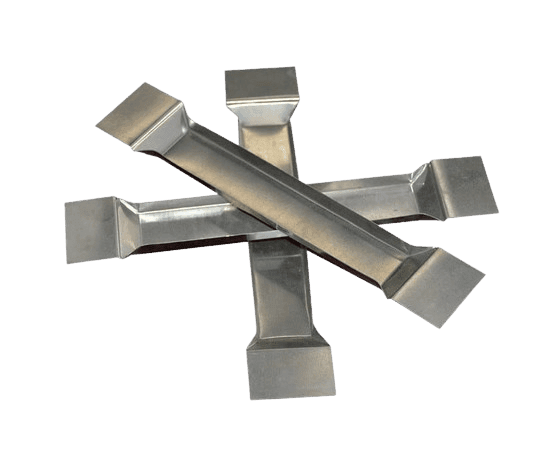
Material: Mo
Catalogue purity: Mo ≥99.95%
Published dimensions: 0.3–30 mm thick; 10–300 mm high; 10–500 mm wide; 50–1,000 mm long.
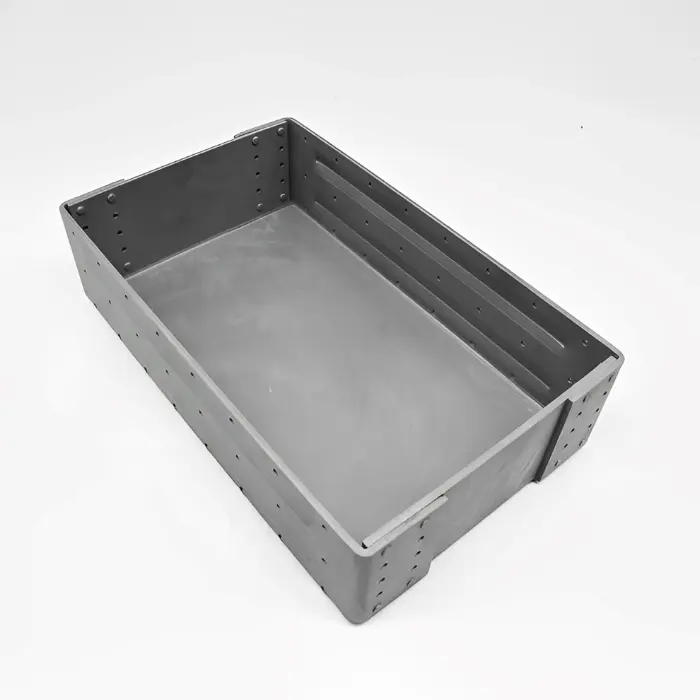
Square or rectangular boxes, round barrels and custom configurations. Specify the joint design, support points, wall thickness and required cleanliness.
Published ranges describe different configurations, not every possible dimension combination. Density, material state, finished dimensions and inspection requirements are confirmed for the selected design.
Source shape affects charge placement, mounting and heating distribution. Choose a geometry below, then provide dimensions and operating conditions for review.
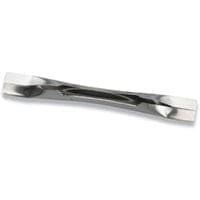
Canoe-shaped evaporation sources in different lengths and material configurations. Specify the charge capacity, source length and electrical contacts.
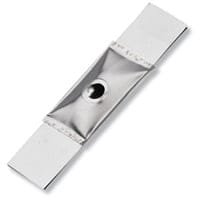
Covered source geometries for applications where charge retention or spitting needs review. Specify the opening, cover and evaporant.
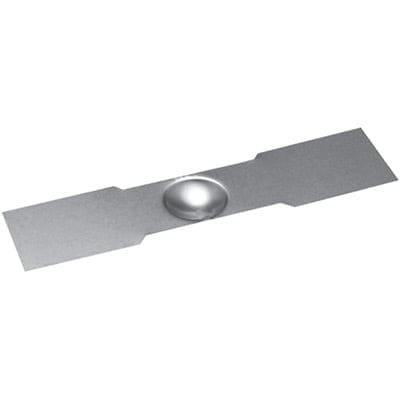
Dimpled source geometries for a defined evaporation area. Include dimple diameter, depth, thickness and lead dimensions.
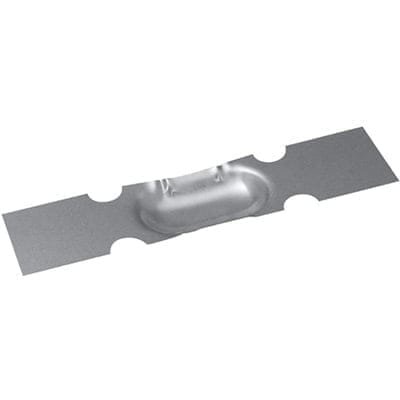
Notches define the reduced cross-section around the intended hot zone. Confirm current, mounting and the required heated region.
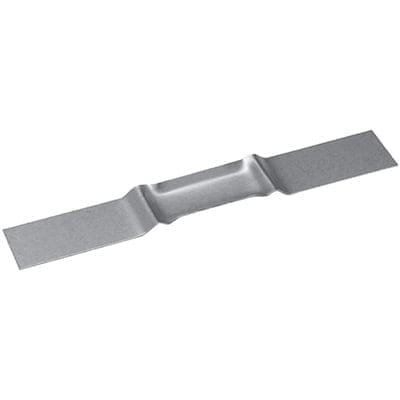
Flat source configurations in different lengths and widths. Send the charge placement and required contact geometry.
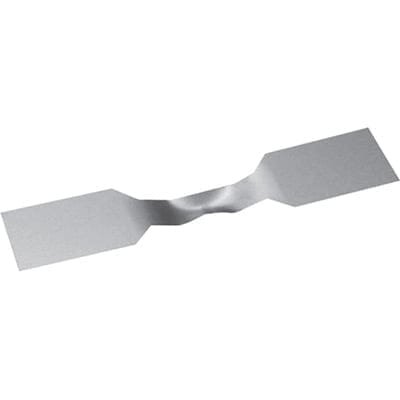
Pan or trough shapes for the required charge volume. Confirm depth, width, length and source compatibility.
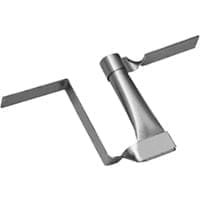
Closed-end tube heater configurations matched to the source geometry. Supply a drawing and operating requirements.
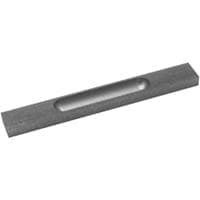
Slab heater configurations for application-specific review. Chemical compatibility and deformation depend on material, geometry and thermal cycling.
| Parameter | Published option / requirement |
|---|---|
| Material: | Molybdenum (Mo). |
| Published purity option: | Mo ≥99.95%. |
| Published density span: | 9.8–10.2 g/cm³; confirm the material state and required density. |
| Dimensions: | 0.3–30 mm thickness × 10–300 mm height × 10–500 mm width × 50–1,000 mm length. Surface options include rolled and chemically cleaned conditions. |
The catalogue option identifies Mo1 material, Mo ≥99.95% purity, square/rectangular boxes, round barrels or custom shapes, and the same published dimension envelope.
The catalogue 1,400°C working-temperature reference is a catalogue reference for review, not a universal operating limit. Confirm atmosphere, charge compatibility, time at temperature, loading and support for the proposed design.
ASTM B386/B386M covers molybdenum and molybdenum alloy plate, sheet, strip, foil and ribbon. It does not by itself define a finished boat or tray. State the grade, starting material condition, ordered standard edition, drawing and inspection criteria.
Other named configurations include well boats, holed/covered boats, dish boats, crucible-heater boats and elongated-dimple boats. Send a reference drawing or source dimensions to identify the required geometry.
Confirm the material grade and evaporant or furnace charge. Reaction, wetting and contamination must be considered for the actual process; compatibility cannot be inferred from boat shape alone.
Specify vacuum or the protective atmosphere, pressure, peak temperature and dwell. Hot molybdenum requires oxidation control; melting point is not an allowable service-temperature rating.
Include folds, seams, rivets, welds, supports and electrical contacts. Heating and cooling cycles, load distribution and handling affect deformation and useful life.
Potential applications include thin-film deposition, furnace processing and materials research. The design and material state must be reviewed for the selected application.
Supply a drawing with overall dimensions, wall thickness, joint details, tolerances, support points and quantity. Confirm the material grade and surface condition required.
No. It is a catalogue reference requiring application review. Atmosphere, charge, geometry, loading and thermal cycle determine the requirements for a particular design.
Include the source geometry, lead/contact dimensions, thickness, intended hot zone, charge, required capacity and electrical or mounting constraints.
Parts are identified and protectively packed for transport. State any additional cleanliness, dimensional inspection, material certification and packaging requirements in the RFQ.
Source form, deposition method, boat or crucible compatibility, and the details to include in an evaporation-material RFQ.
Compare molybdenum grade and alloy terminology before specifying the material, product form, and condition for a quotation.
Send a drawing or source geometry with dimensions, material grade, quantity, charge, atmosphere and thermal cycle. Include documentation and packaging requirements.