Menu
MetalsTek supplies graphite crucibles, boats, trays, molds, andcarriers for laboratory, research, and industrial high-temperatureprocesses. These graphite products are commonly used forevaporation, sintering, heat treatment, powder metallurgy, meltingsupport, and material handling in vacuum or controlled-atmospherefurnaces.
Products can be supplied in standard sizes or custom machinedaccording to drawings, sketches, samples, material volume, workingtemperature, atmosphere, and process requirements.
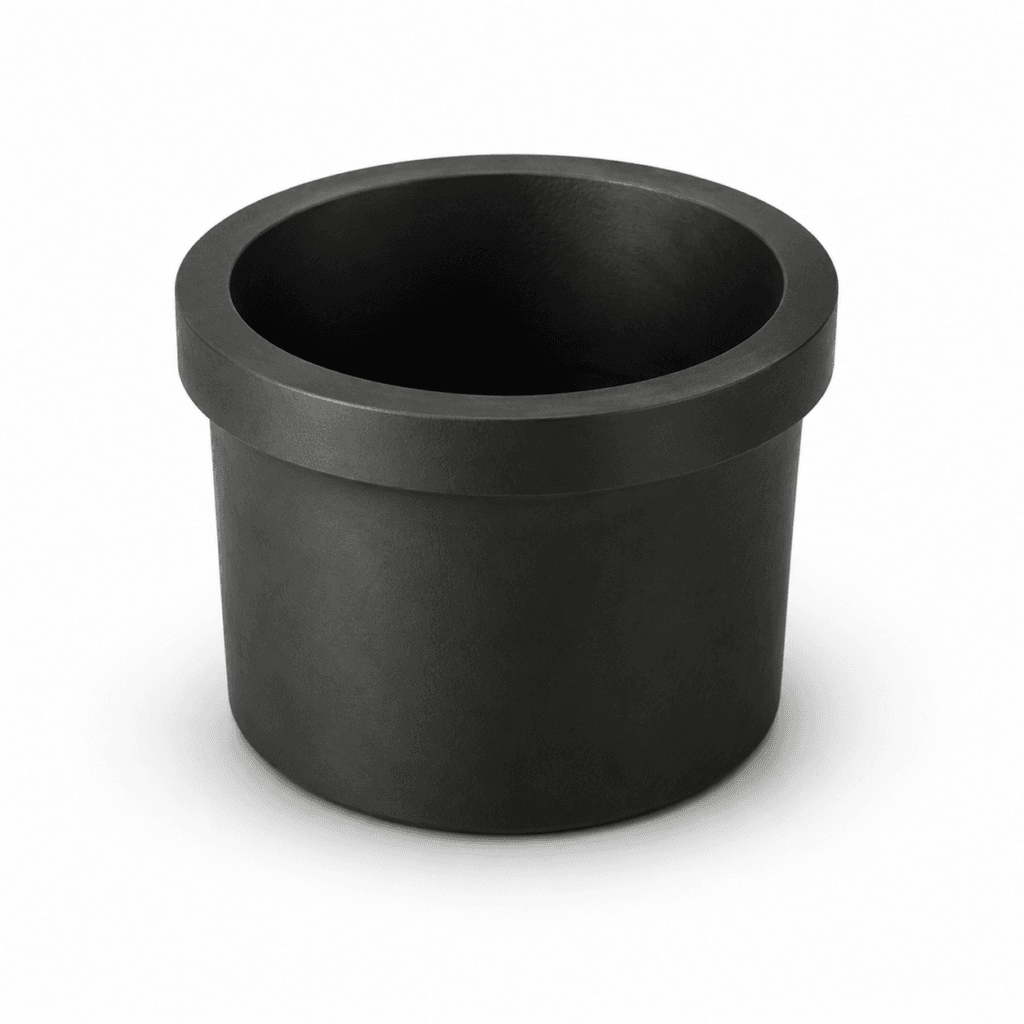
Used for melting, evaporation,
heat treatment, material holding.and laboratory fumace applications.Round, cyindrical, tapered, andcustom shapes available.
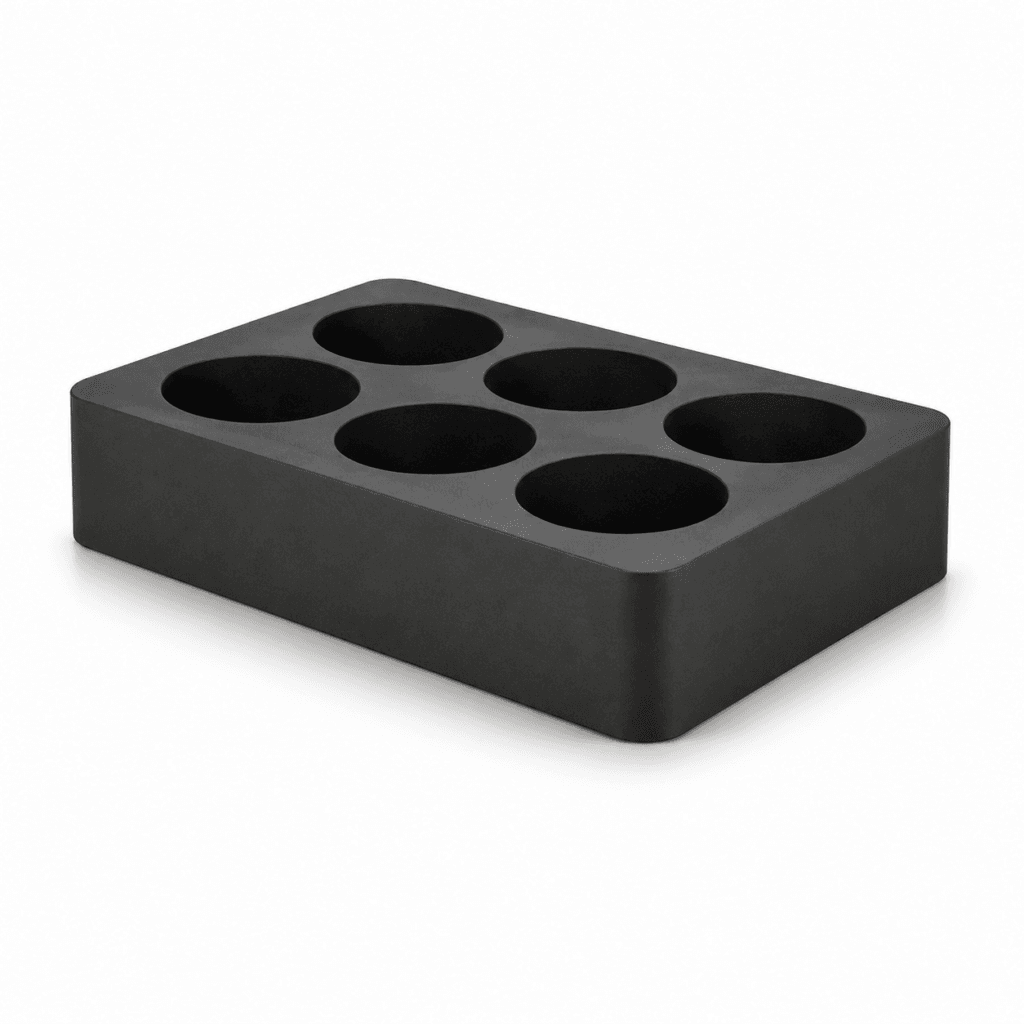
Used for forming. casting. sintering.hot pressing. and high-temperatureshaping applications. Custom moldgeometry available.
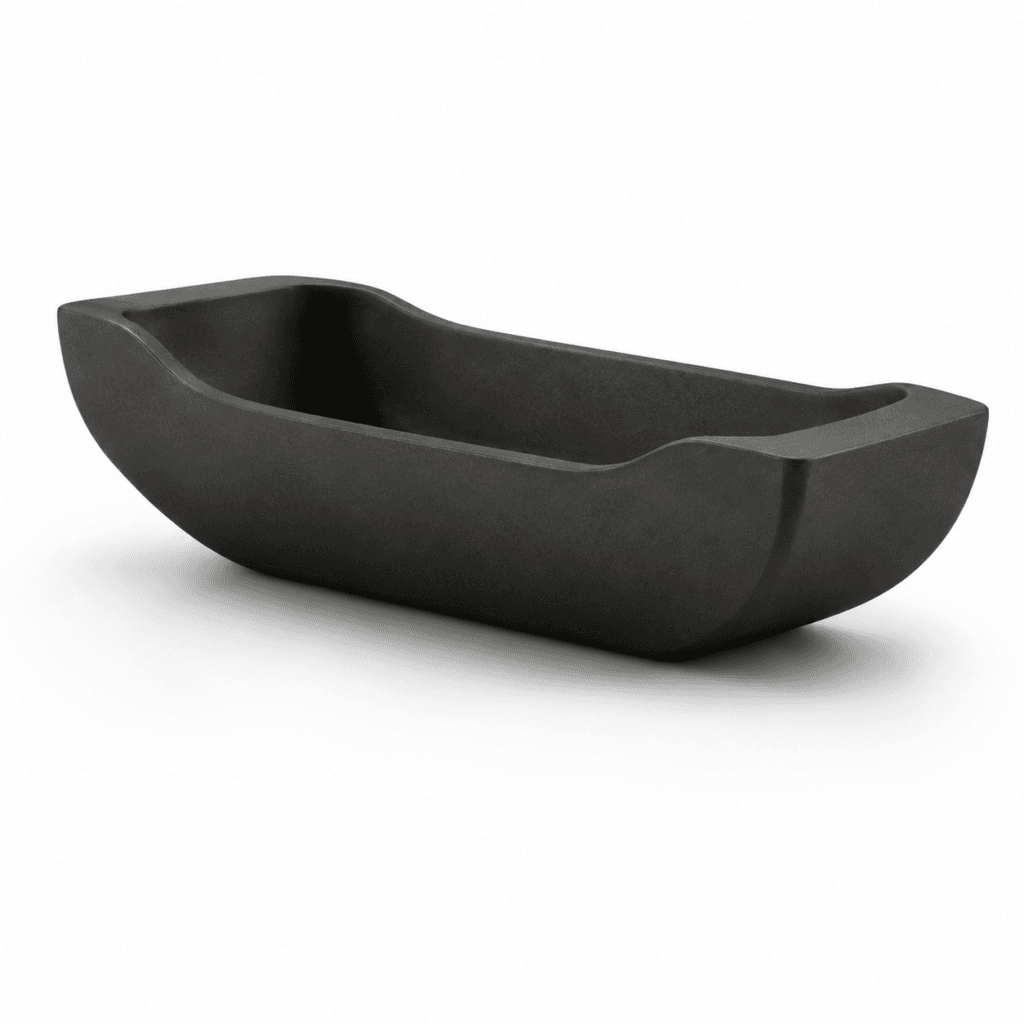
Used for material loading, evaporation,thermal processing. and sample
handling in tube fumnaces, vacuum
systems, and high-temperature
equipment.
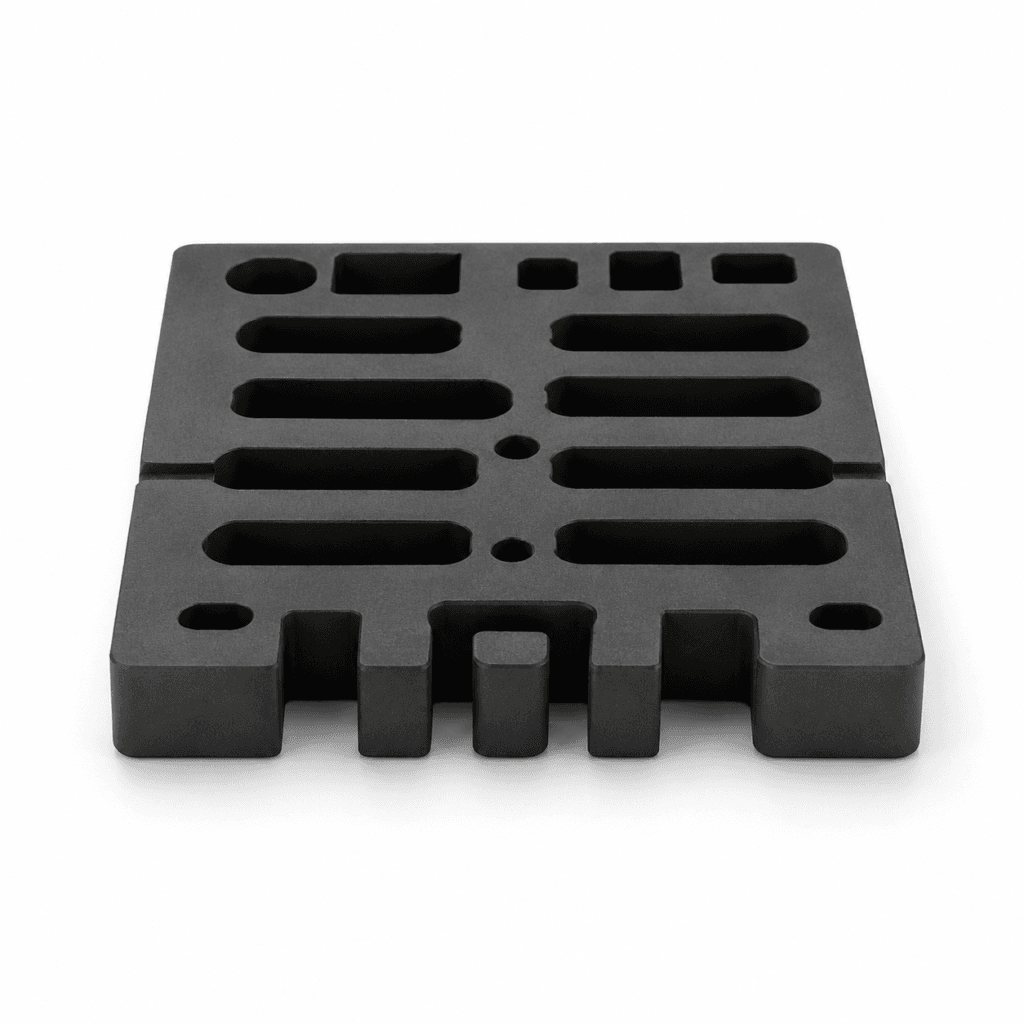
Used to hold wafers, powders, pellets,samples, or components duringheating. sintering. deposition, orthermal processing.
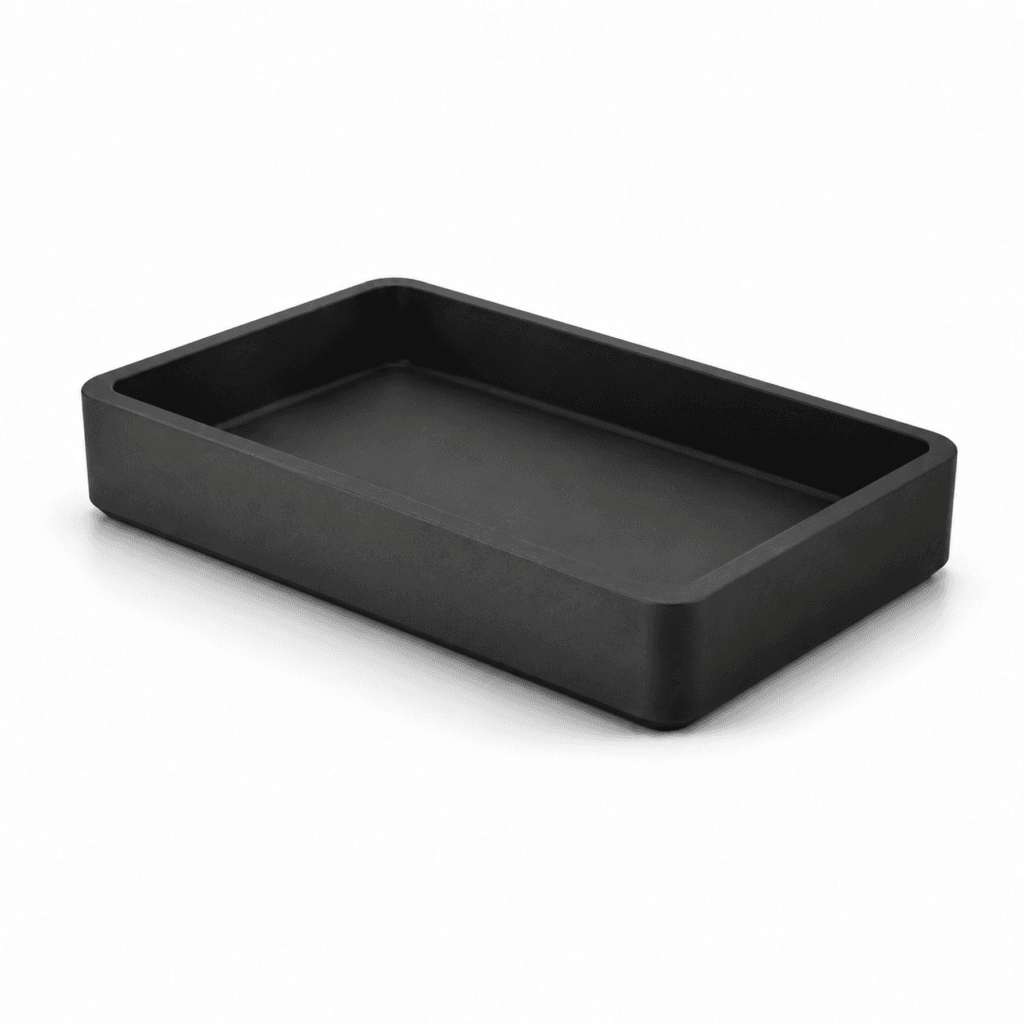
Suitable for sintering. powder
metallurgy. batch processing. heat
treatment, and material handling.Shallow trays, deep trays, grovved
trays, and custom designs available.
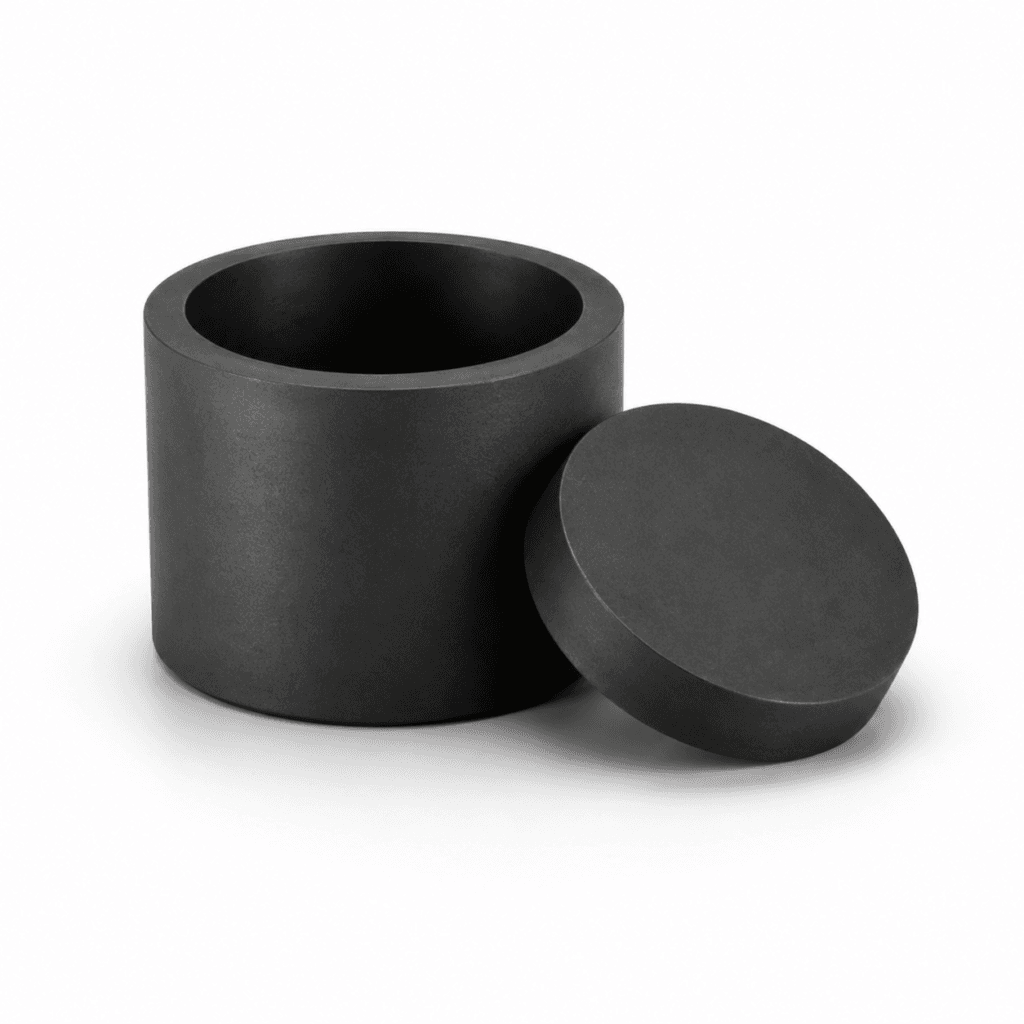
Machined according to drawings,required volume, wall thickness,holes, slots, grooves, lids, and specialhandling features.
Selecting the best carbon or graphite product depends on material type, product form, purity, density, grain size, working temperature, atmosphere, and machining requirements.
Material options may include fine-grain graphite, high-puritygraphite, isootatic graphite, molded graphite, and extruded graphite.Surface treatment or coating options can be reviewed case by caseaccording to be application. For contamination-sensitive or high-temperature processes, high-purity or isostatic graphite may berecommended.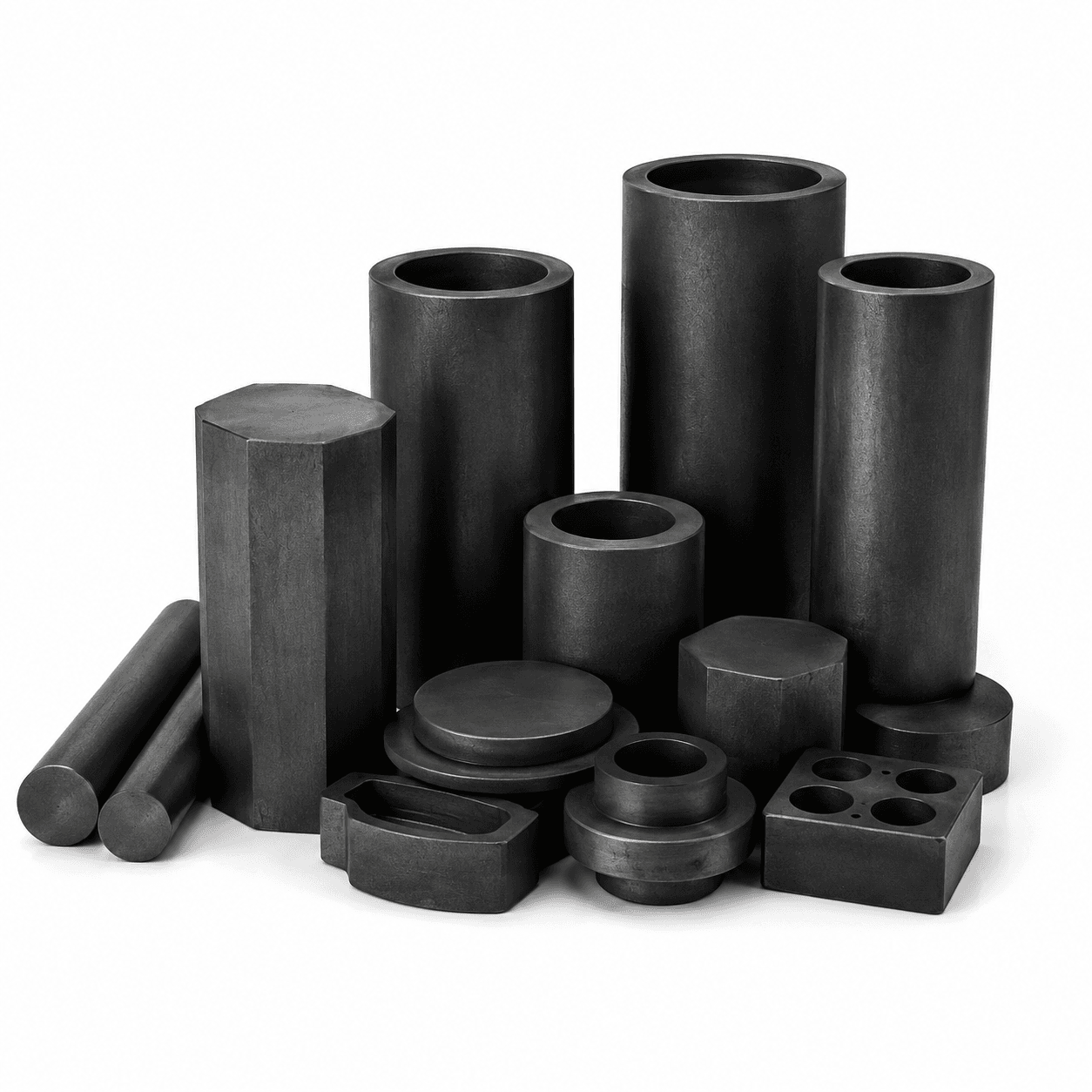
| Factor | What to Confirm / Consider |
|---|---|
| Working Temperature | Confirm maximum temperature, holding time, heating rate, and cooling cycle. |
| Atmosphere | Confirm whether the product will be used in vacuum, argon, nitrogen, reducing gas, or air. |
| Material Loaded | The loaded material may be metal, ceramic, powder, wafer, pellet, compound, or sample material. |
| Usable Volume | For crucibles and containers, usable inner volume is often more important than only external dimensions. |
| Wall Thickness | Wall thickness affects strength, heating speed, thermal shock resistance, and service life. |
| Bottom Thickness | Bottom thickness should be selected according to load, heating method, and support condition. |
| Thermal Cycling | Repeated heating and cooling may require stronger graphite grade and a more stable design. |
| Contamination Control | High-purity graphite may be needed for semiconductor, vacuum, or sensitive material processes. |
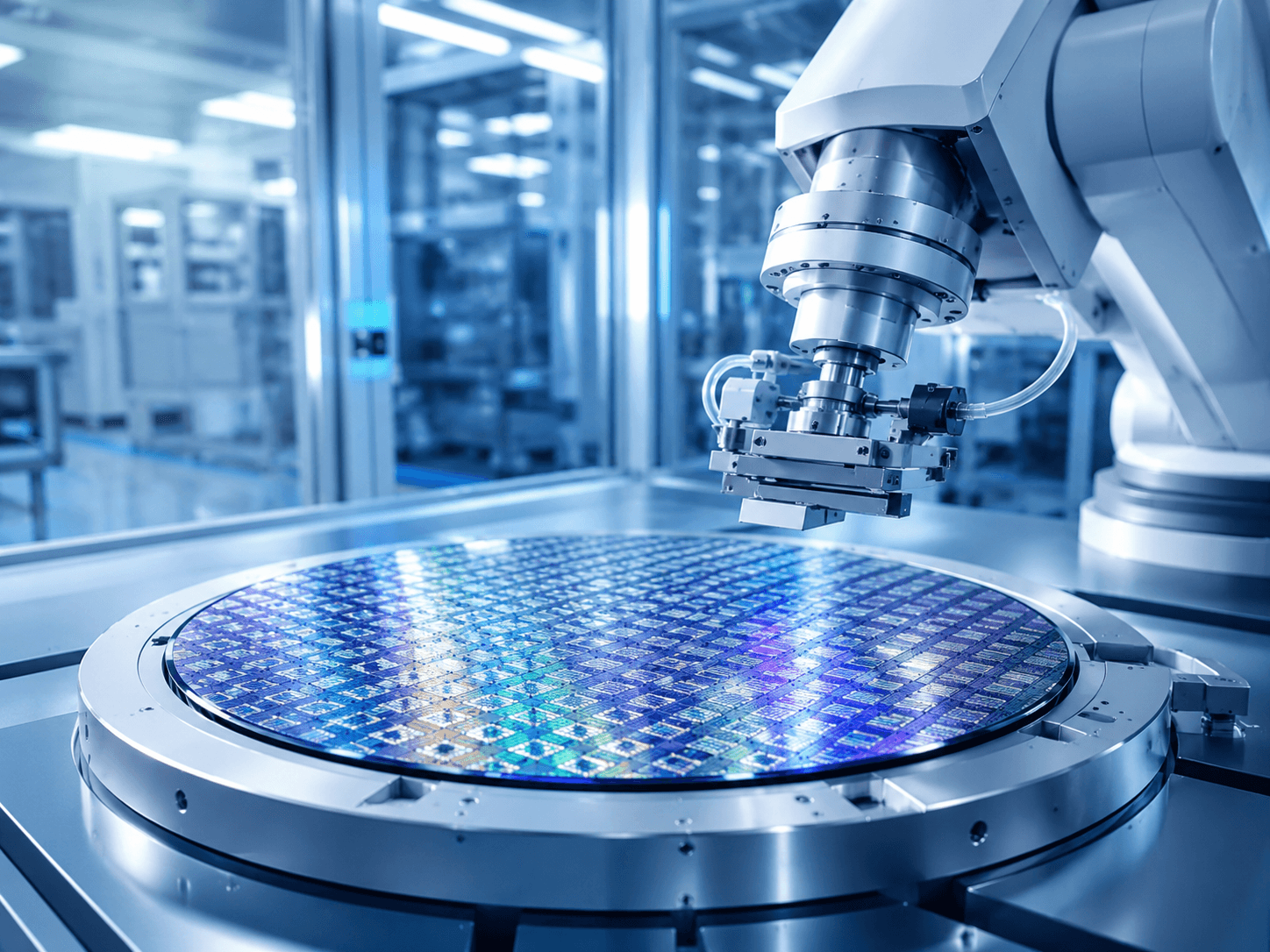
High-purity graphite fixtures, carriers, and susceptors for low-contamination semiconductor thermal processing.
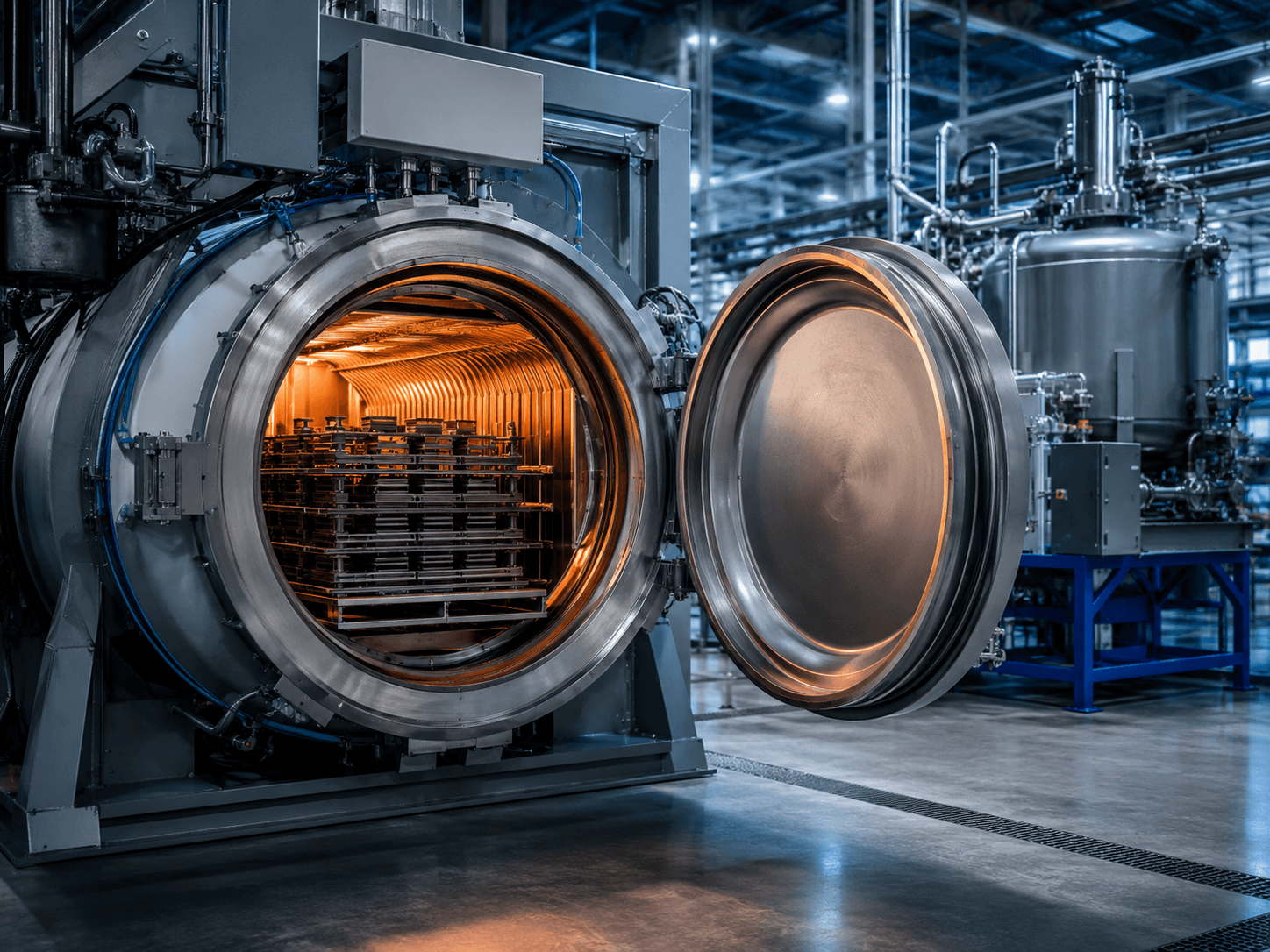
Graphite heaters, trays, supports, shields, and hot-zone components for vacuum and inert-atmosphere furnaces.

Graphite boats, trays, carriers, and furnace parts for solar cell, wafer, and PV manufacturing.
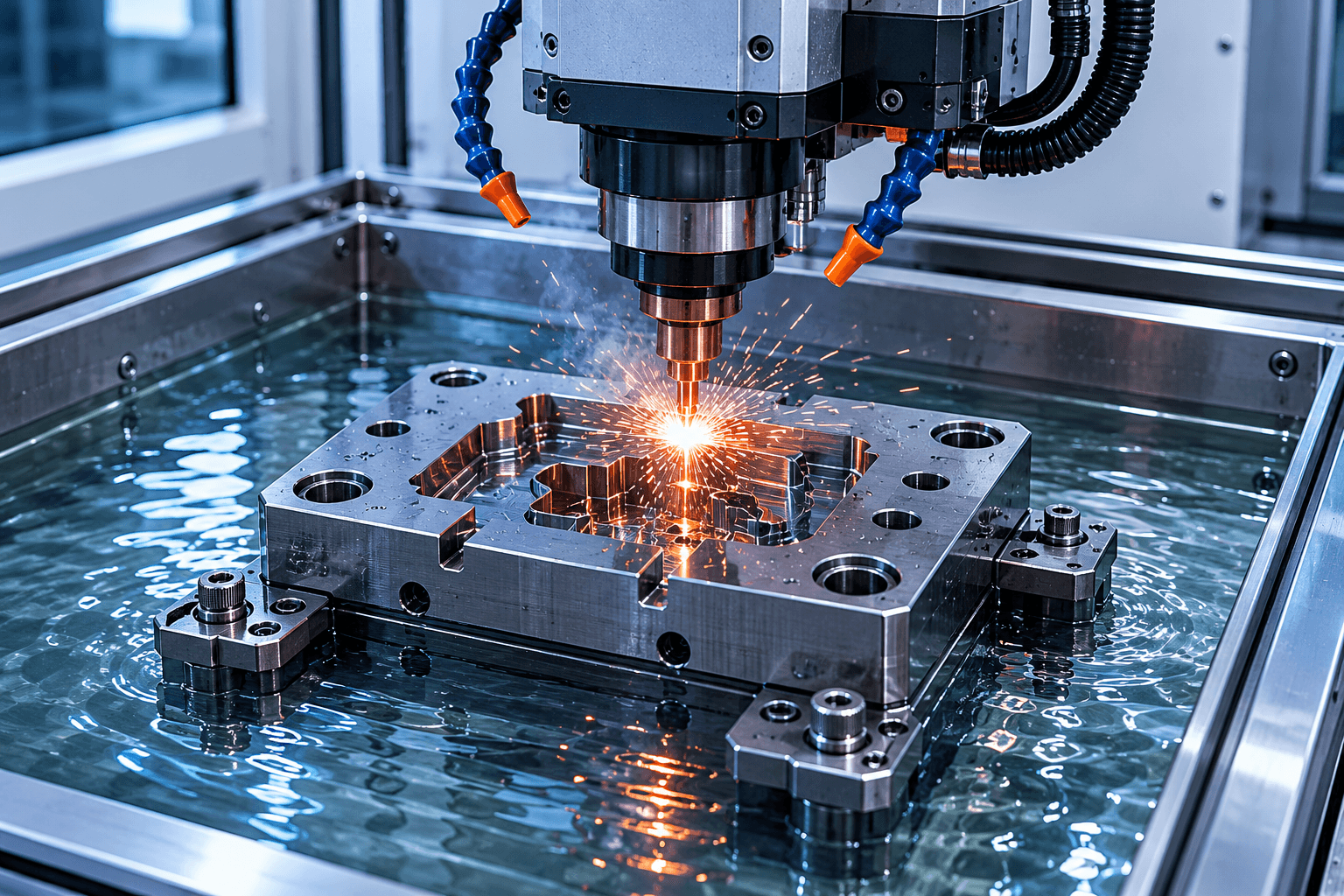
Graphite electrodes, rods, blocks, and plates for EDM machining with stable discharge performance.

Graphite molds, dies, sleeves, punches, and sintering fixtures for pressing, hot pressing, and sintering.
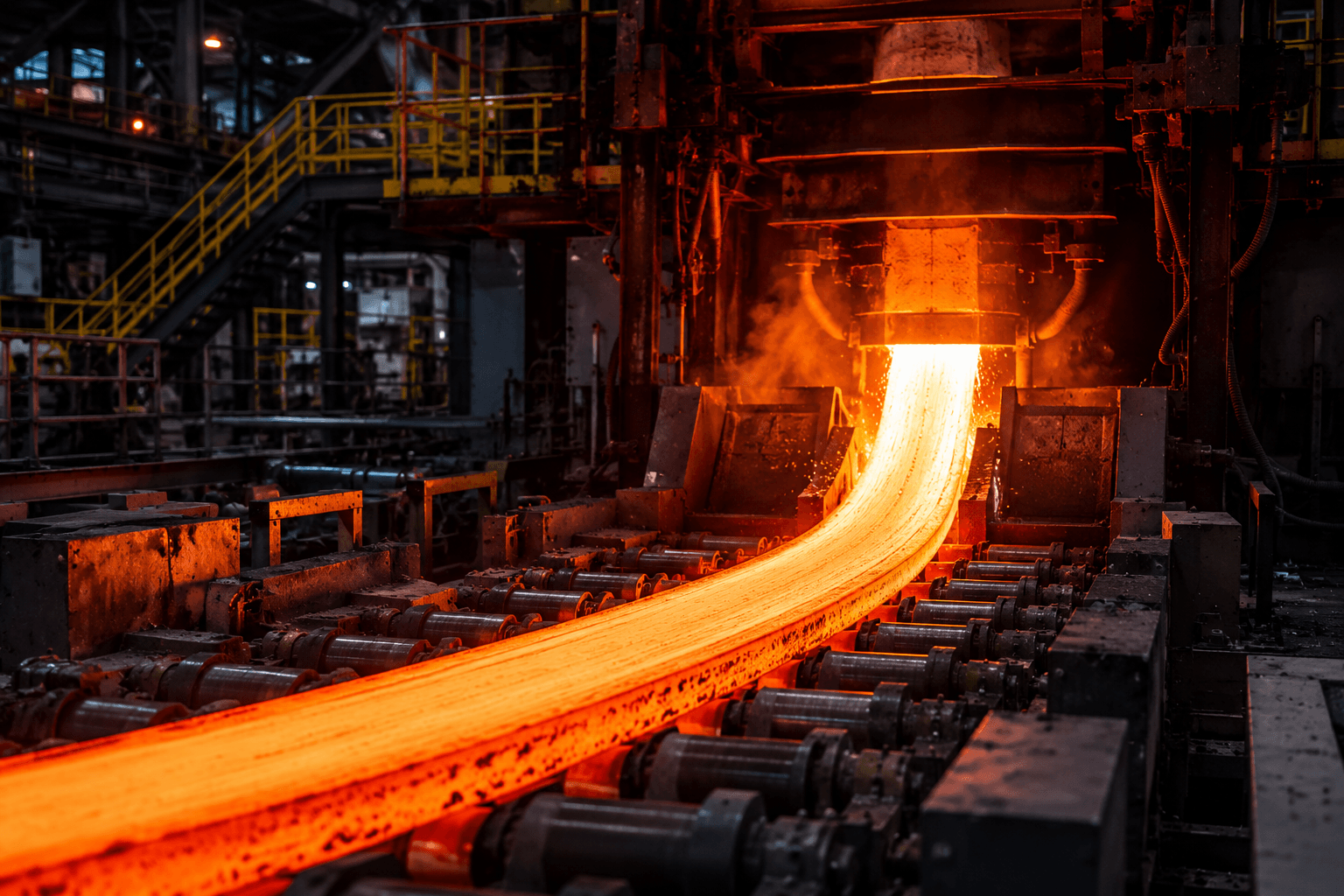
Graphite dies, molds, rings, sleeves, and casting parts for continuous casting of metals and alloys.
Carbon is a broad material family, while graphite is a crystalline form of carbon with a layered structure. For industrial applications, this difference matters because graphite usually offers better machinability, thermal conductivity, electrical conductivity, and high-temperature stability.
MetalsTek supplies graphite crucibles, boats, trays, blocks, rods, plates, hot-zone components, and custom machined graphite parts. The right material should be selected based on purity, density, grain size, strength, porosity, working atmosphere, and application conditions.
High-purity graphite is used when contamination control is important in high-temperature or vacuum processes. Typical applications include semiconductor processing, photovoltaic manufacturing, crystal growth, vacuum furnaces, thin-film deposition, laboratory heating, and clean thermal processing.
Compared with general industrial graphite, high-purity graphite has lower ash content and reduced metallic impurities. For critical applications, customers should confirm the required purity level, ash content, impurity limits, contact materials, working temperature, and atmosphere before production.
Isostatic graphite is a fine-grain graphite material produced with uniform pressure, giving it relatively consistent properties in different directions. It is commonly selected for precision machining, dimensional stability, fine surface finish, and complex graphite components.
MetalsTek supplies isostatic graphite parts for EDM electrodes, semiconductor fixtures, continuous casting molds, furnace components, hot-zone parts, and high-temperature tooling. It is often preferred when parts require thin walls, small holes, grooves, threads, or tight machining details.
Graphite can work at high temperature in vacuum or inert atmospheres, but it will oxidize in air or oxygen-containing environments at elevated temperatures. For applications exposed to air, oxidation behavior must be reviewed carefully.
Dense graphite, high-purity graphite, or coated graphite may help slow oxidation under suitable conditions, but standard graphite should not be considered oxidation-proof. Working temperature, exposure time, airflow, coating type, graphite grade, and service environment should be confirmed before use.
The right graphite grade should be selected based on application, working temperature, atmosphere, purity requirement, mechanical load, density, grain size, and machining complexity. General graphite may be suitable for simple furnace or structural parts, while fine-grain, isostatic, or high-purity graphite is often preferred for precision or contamination-sensitive applications.
For custom graphite products, MetalsTek reviews drawings, tolerances, surface finish, holes, grooves, threads, wall thickness, and operating conditions before recommending a suitable grade. If the material grade is not specified, application details can help us provide a practical recommendation.
Yes. MetalsTek can manufacture custom graphite parts according to customer drawings, samples, or specified dimensions. Common custom products include graphite crucibles, boats, trays, molds, plates, rods, blocks, fixtures, heaters, susceptors, insulation parts, and furnace hot-zone components.
For production review, please provide the drawing, material grade if known, dimensions, tolerances, surface finish, quantity, working temperature, atmosphere, and application. For complex or critical parts, feasibility should be confirmed before quotation and production.
Machining tolerances for custom graphite parts depend on graphite grade, part size, geometry, wall thickness, holes, threads, grooves, and inspection requirements. Small precision graphite parts can usually be machined more accurately than large, thin-wall, fragile, or long graphite components.
For critical dimensions, tolerances should be clearly marked on the drawing. Features such as sharp corners, deep holes, narrow slots, thin walls, threads, and complex profiles may require special review before production.
For a graphite parts quotation, please provide a drawing or complete dimensions, material grade or purity requirement, quantity, tolerances, surface finish, working temperature, atmosphere, and application. If the graphite grade is not known, the actual working conditions can help us recommend a suitable option.
Useful details include OD, ID, length, width, thickness, holes, threads, grooves, chamfers, radii, coating requirement, cleaning requirement, and whether the part will be used in vacuum, inert gas, air, furnace, semiconductor, EDM, evaporation, metallurgy, or solar manufacturing processes.
Vacuum furnaces commonly use graphite heaters, insulation parts, support rings, shields, trays, fixtures, molds, and hot-zone components. Semiconductor applications may use high-purity graphite susceptors, carriers, fixtures, crucibles, plates, and precision machined graphite parts.
Material selection depends on purity, density, grain size, thermal stability, contamination control, working atmosphere, and dimensional requirements. For critical furnace or semiconductor use, customers should confirm grade, drawing, working temperature, atmosphere, and cleaning requirements before production.