Menu
Explore how carbon and graphite materials are used in semiconductor processing, vacuum furnaces, solar manufacturing, EDM machining, powder metallurgy, and continuous casting.
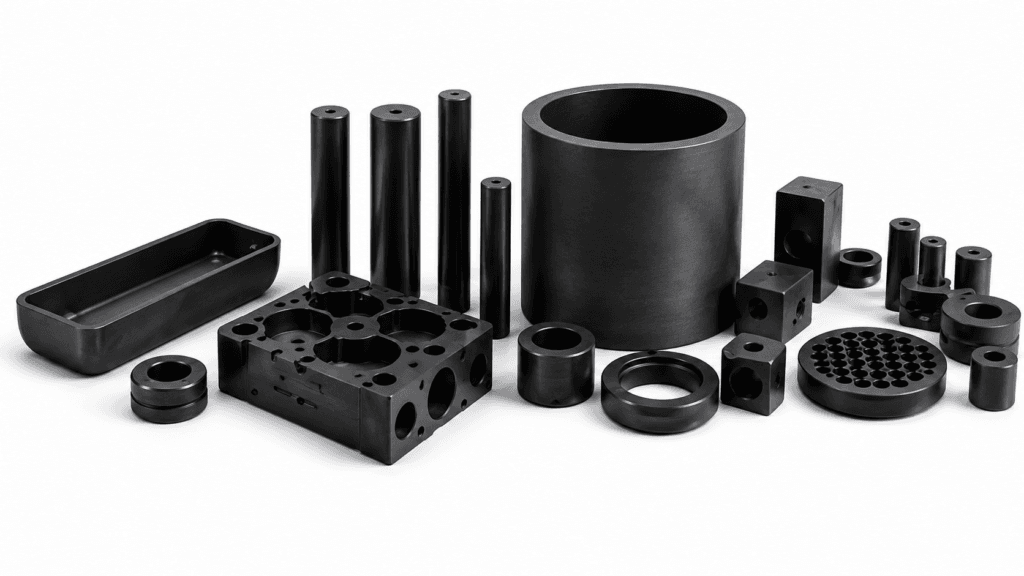
Application | Typical Carbon & Graphite Products | Key Requirements |
|---|---|---|
Semiconductor Processing | high-purity graphite fixtures, trays, carriers, susceptors, deposition-related parts | high purity, low contamination, dimensional stability |
Vacuum Furnaces | graphite heaters, insulation, heat shields, support rings, trays, fixtures | high-temperature stability, thermal shock resistance, low vapor pressure |
Solar Manufacturing | graphite boats, trays, carriers, fixtures | purity, thermal uniformity, repeatability |
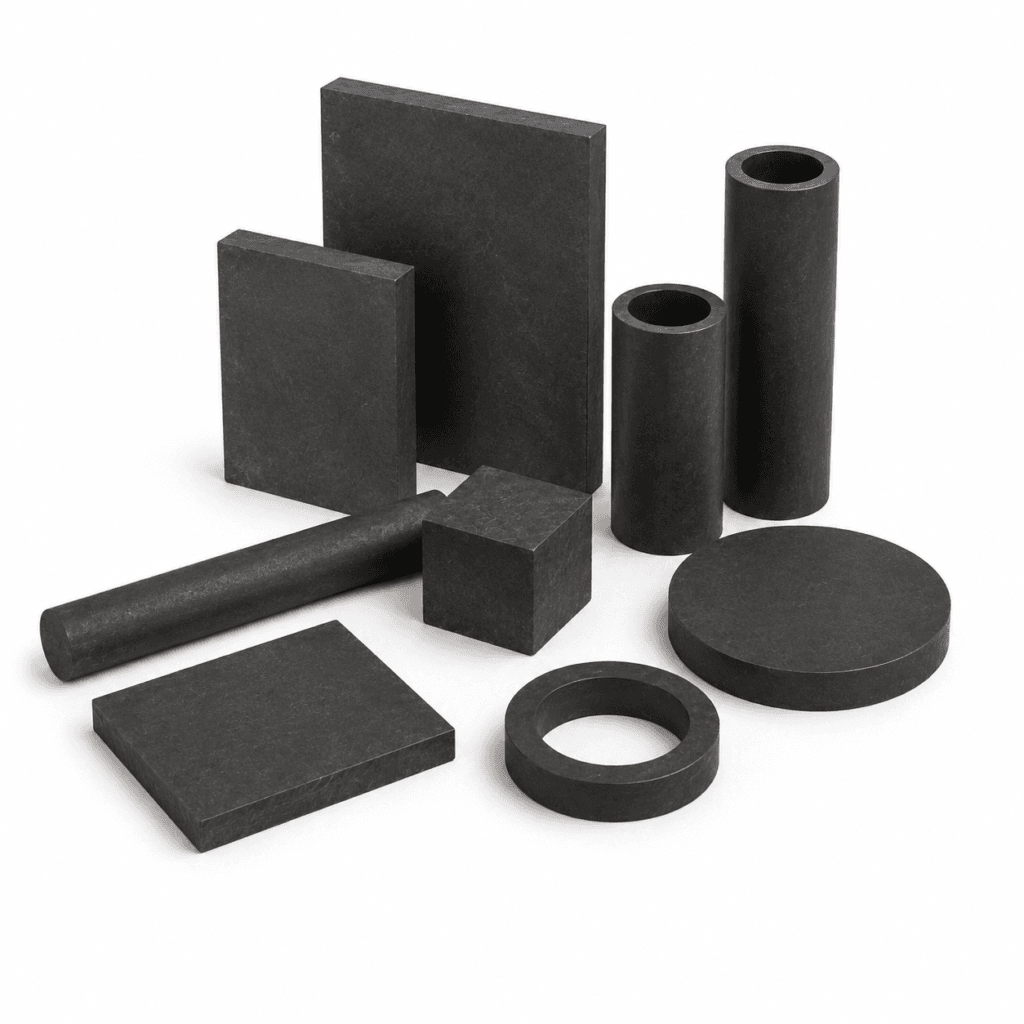
EDM Machining | graphite electrodes, rods, blocks, plates | fine grain, machinability, stable discharge |
Powder Metallurgy | graphite molds, trays, sintering fixtures | thermal stability, contamination control |
Continuous Casting | graphite molds, dies, liners, nozzles | thermal conductivity, wear resistance, oxidation control |
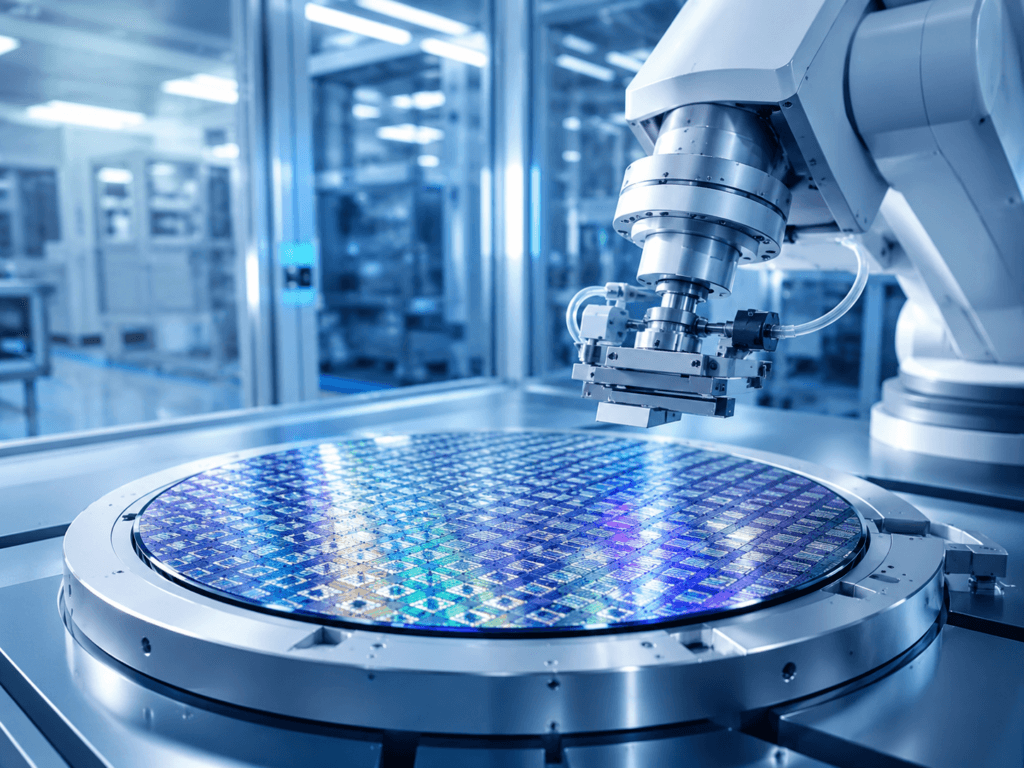
High-purity graphite materials for semiconductor processing
Semiconductor manufacturing requires materials that remain stable in clean, high-temperature, vacuum, and controlled-atmosphere environments. Carbon and graphite materials are used in wafer handling, thermal processing, PVD/CVD equipment, ion implantation, and advanced packaging where purity and repeatability are critical.
Graphite is selected for semiconductor-related parts because it offers high-temperature stability, good machinability, thermal shock resistance, and low contamination when suitable high-purity grades are used. It helps support stable process conditions in precision manufacturing systems.
Typical Products: High-purity graphite fixtures, carriers, trays, susceptors, wafer handling parts, and deposition-related components.
Key Requirements: High purity, low contamination, dimensional stability, fine surface finish, thermal stability, and compatibility with vacuum or controlled-atmosphere processes.
Related Products: Materials, Targets & Stock Shapes: high-purity graphite stock, carbon evaporation materials, carbon sputtering targets / Custom Machined Graphite Parts: susceptors, wafer carriers, rings, fixtures, and deposition-related parts / Graphite Furnace & Hot-Zone Components: heater parts and hot-zone support fixtures
Precision thermal control for advanced materials
Vacuum furnaces are used for high-temperature processing where atmosphere control, uniform heating, and contamination prevention are essential. In vacuum or inert gas environments, graphite materials provide stable thermal performance, good machinability, and reliable resistance to repeated heating and cooling cycles.
Graphite components for stable hot-zone performance
Graphite heaters, insulation parts, heat shields, support fixtures, trays, and fasteners are widely used in vacuum furnace hot zones. These components help maintain thermal uniformity, reduce contamination risk, and support reliable processing for heat treatment, sintering, brazing, ceramics, powder metallurgy, and advanced materials manufacturing.
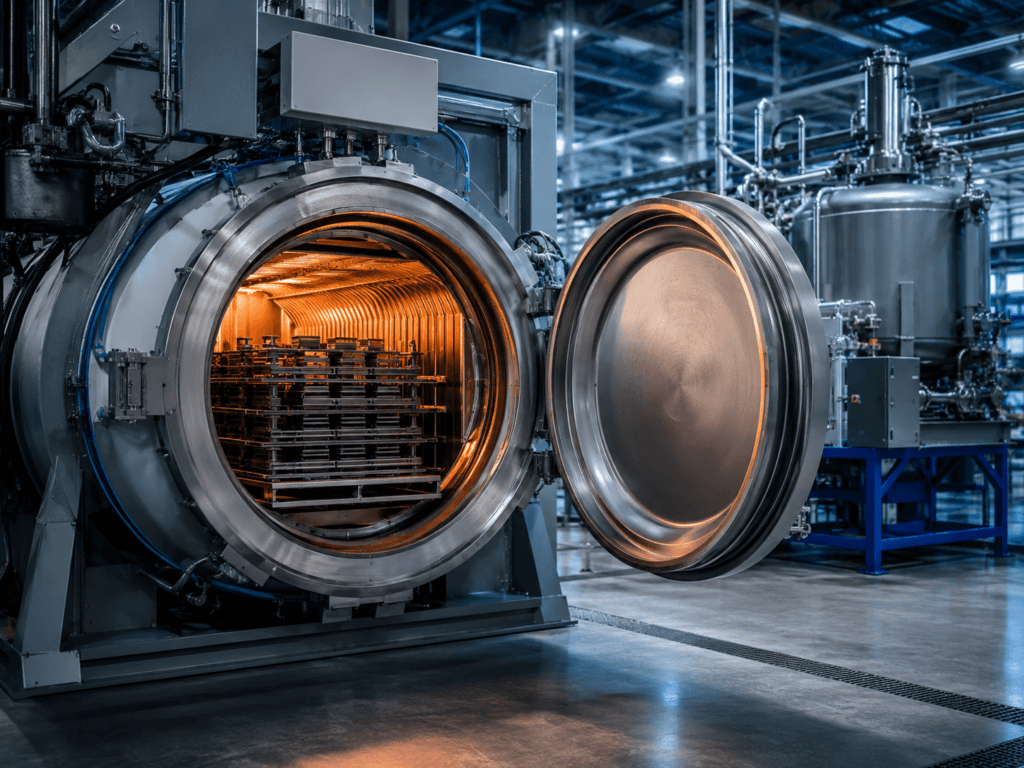
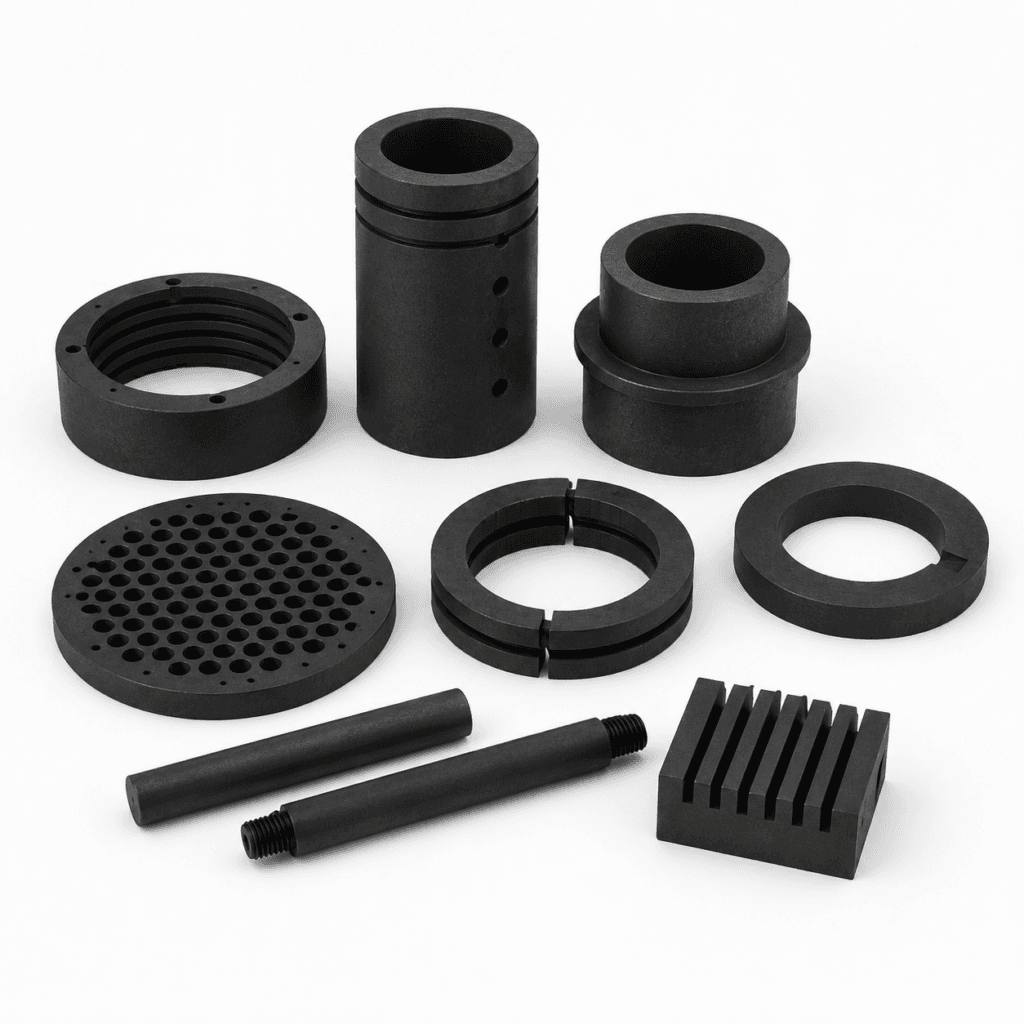
Typical Products: Graphite heaters, insulation parts, heat shields, support rods, support rings, trays, fixtures, fasteners, and custom hot-zone components.
Key Requirements: High-temperature stability, thermal shock resistance, low vapor pressure, dimensional stability, mechanical strength, and low contamination under vacuum or inert atmosphere.
Related Products: Graphite Furnace & Hot-Zone Components: heating elements, insulation boards, heat shields, support rings, graphite screws, nuts, and hot-zone fixtures / Custom Machined Graphite Parts: spacers, plates, replacement parts, and drawing-based furnace components / Graphite Crucibles, Boats & Trays: furnace trays, boats, and material carriers

Graphite materials for solar crystal growth
Solar manufacturing relies on stable high-temperature materials for silicon crystal growth, ingot production, and thermal field control. In single-crystal pulling and multi-crystalline ingot furnaces, graphite provides thermal stability, good conductivity, and reliable long-cycle performance.
Supporting furnace stability and low contamination
Graphite heaters, crucibles, support rings, guide tubes, insulation parts, boats, trays, and carriers help maintain thermal uniformity and stable furnace conditions. Proper graphite grade selection supports dimensional stability, low contamination, and repeatable photovoltaic material processing.
Typical Products: Graphite heaters, crucibles, thermal field components, support rings, guide tubes, insulation parts, boats, trays, carriers, and custom furnace parts.
Key Requirements: High purity, thermal uniformity, dimensional stability, thermal shock resistance, long-cycle stability, low contamination, and stable performance in high-temperature furnace environments.
Related Products: Graphite Furnace & Hot-Zone Components: thermal field parts, heaters, support rings, guide tubes, insulation components, and cover plates / Graphite Crucibles, Boats & Trays: crucibles, boats, trays, carriers, and material loading parts / Custom Machined Graphite Parts: graphite rings, support parts, furnace fixtures, and custom graphite components
Send us your drawing, working temperature, atmosphere, and application details. Our team can help review suitable carbon and graphite materials.
Graphite materials for EDM electrodes and tooling
EDM machining is used for hard metals, refractory alloys, carbides, precision molds, and components with complex geometries or tight tolerances. Graphite is widely used for EDM electrodes because it can be machined into detailed shapes, thin ribs, fine features, and large electrode structures while maintaining stable discharge performance.
Stable machining performance for precision molds
Fine-grain graphite blocks, rods, and plates are suitable for EDM electrode blanks and custom machined electrodes. Proper graphite grade selection helps reduce electrode wear, improve dimensional accuracy, and support consistent surface quality for mold making, tooling, aerospace, automotive, and electronic component manufacturing.
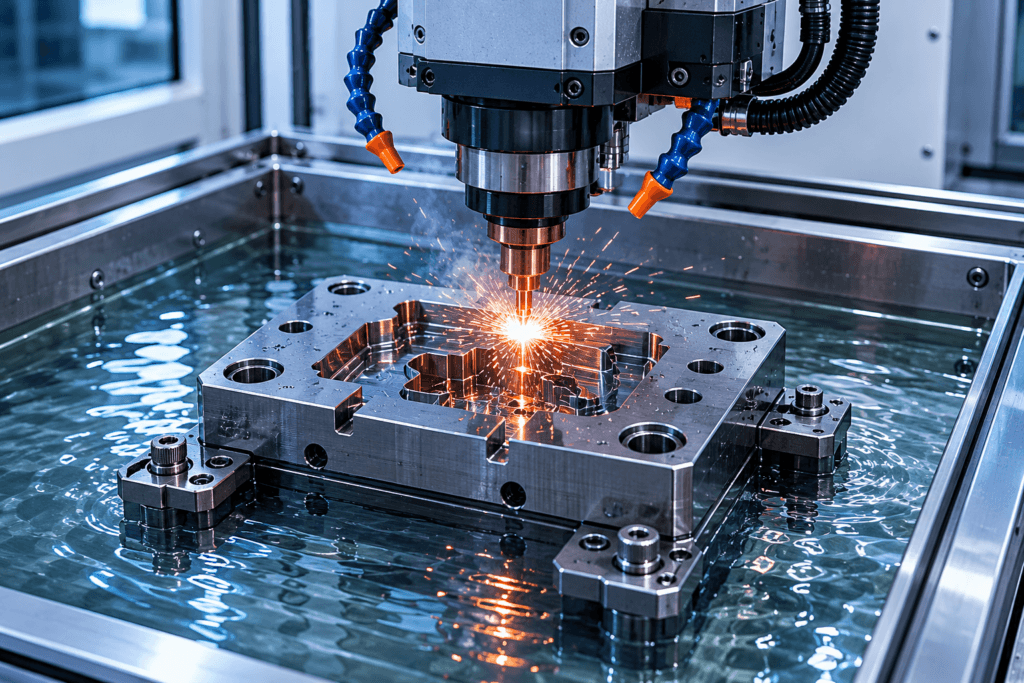
Typical Products: Graphite electrodes, EDM electrode blanks, graphite blocks, rods, plates, thin-rib electrodes, complex machined electrodes, and graphite EDM molds.
Key Requirements: Fine grain size, good machinability, stable discharge performance, low electrode wear, good surface finish, dimensional accuracy, and consistent material structure.
Related Products: Materials, Targets & Stock Shapes: EDM graphite blocks, rods, plates, fine-grain blanks, and isostatic graphite stock / Custom Machined Graphite Parts: machined electrodes, thin-rib electrodes, EDM molds, custom electrode shapes, and graphite tooling
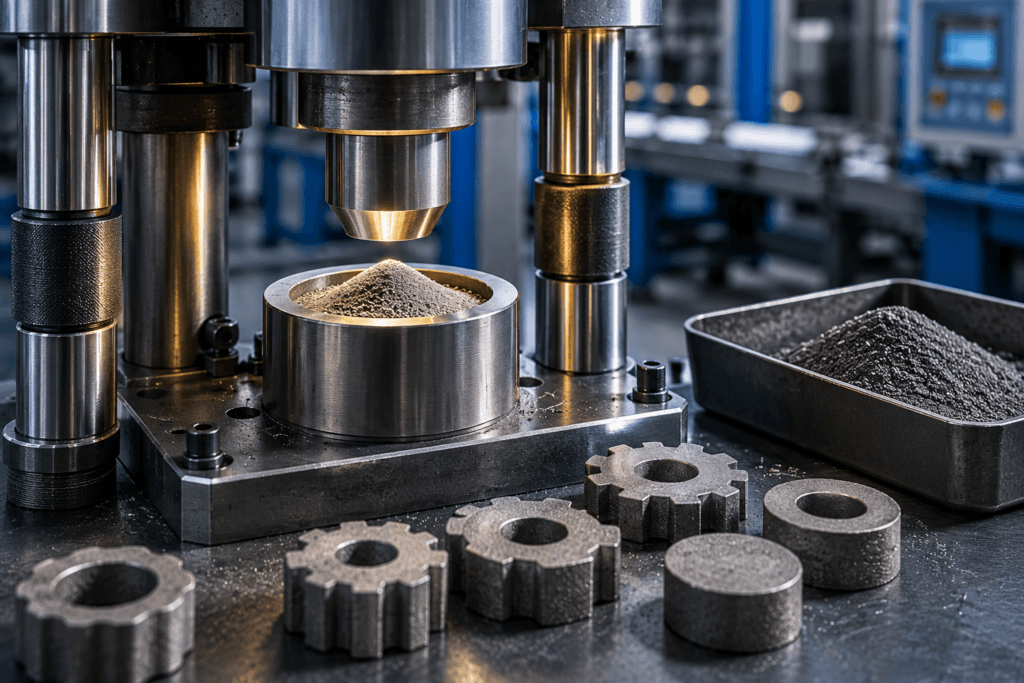
Graphite molds and fixtures for powder metallurgy
Powder metallurgy uses pressing, sintering, hot pressing, and heat treatment to produce metal, ceramic, and composite components. These processes require tooling materials that can withstand high temperature, mechanical loading, thermal cycling, and controlled furnace atmospheres.
Stable support during sintering and hot pressing
Graphite is widely used for molds, boxes, trays, boats, plates, spacers, and fixtures because it offers thermal stability, machinability, and resistance to rapid heating and cooling. Proper graphite design helps improve process repeatability, reduce contamination risk, and maintain dimensional stability during powder processing.
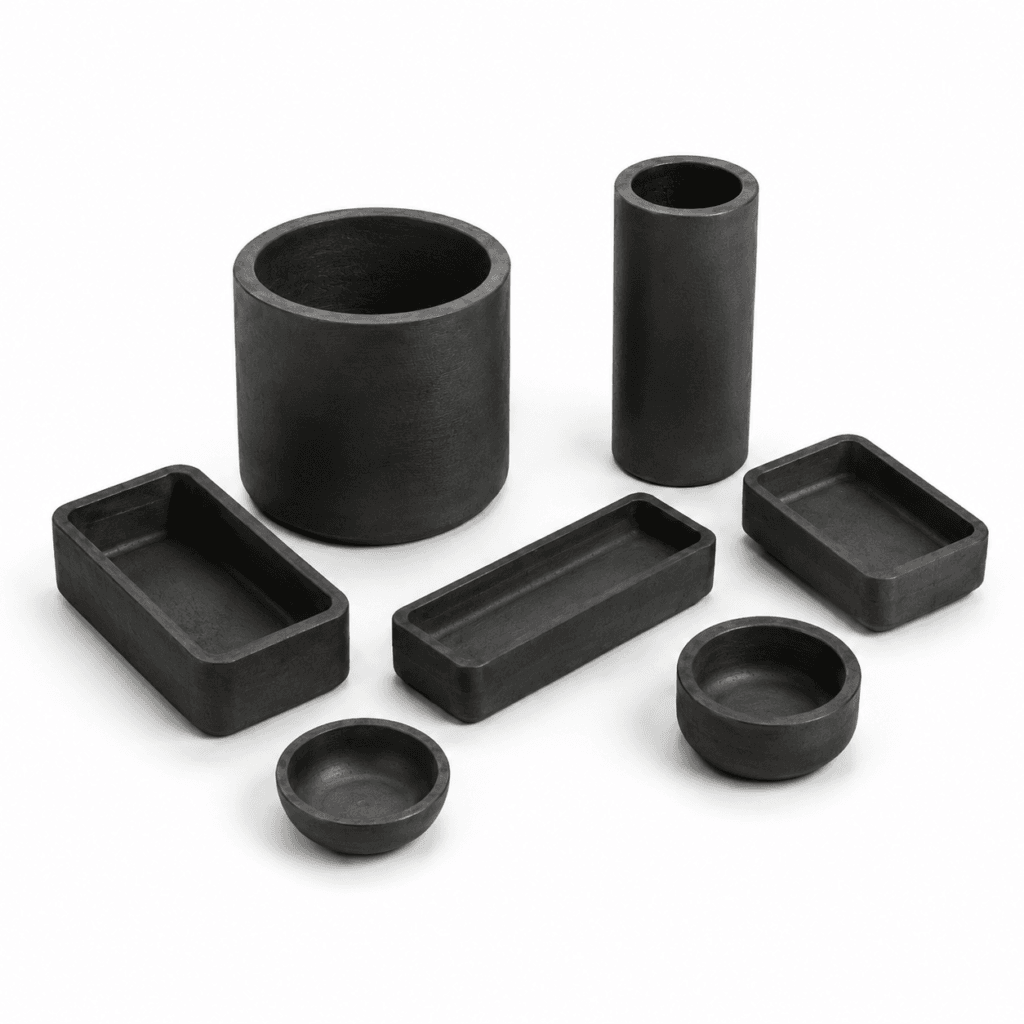
Typical Products: Graphite molds, boxes, boats, trays, sintering plates, hot-pressing molds, support plates, spacers, carriers, crucibles, and custom graphite fixtures.
Key Requirements: High-temperature stability, thermal shock resistance, mechanical strength, dimensional stability, contamination control, and compatibility with vacuum, inert gas, or reducing atmosphere.
Related Products: Graphite Crucibles, Boats & Trays: graphite molds, boxes, boats, trays, crucibles, and sintering containers / Custom Machined Graphite Parts: hot-pressing molds, spacers, support plates, carriers, and custom fixtures / Graphite Furnace & Hot-Zone Components: thermal processing fixtures, furnace support parts, and high-temperature graphite plates
Graphite components for continuous casting
Continuous casting is used to produce rods, bars, tubes, strips, and semi-finished metal materials under controlled cooling conditions. In non-ferrous metal casting, graphite is widely used for molds, dies, crystallizers, liners, sleeves, nozzles, and other contact components because it provides good thermal conductivity, machinability, and self-lubricating behavior.
Stable metal flow and controlled solidification
Graphite casting components help support stable metal flow, smooth surface quality, and controlled solidification during continuous casting. For copper alloys, precious metals, specialty alloys, and other non-ferrous materials, graphite grade and part design should be selected according to casting temperature, molten metal contact, cooling conditions, wear behavior, oxidation risk, and expected service life.
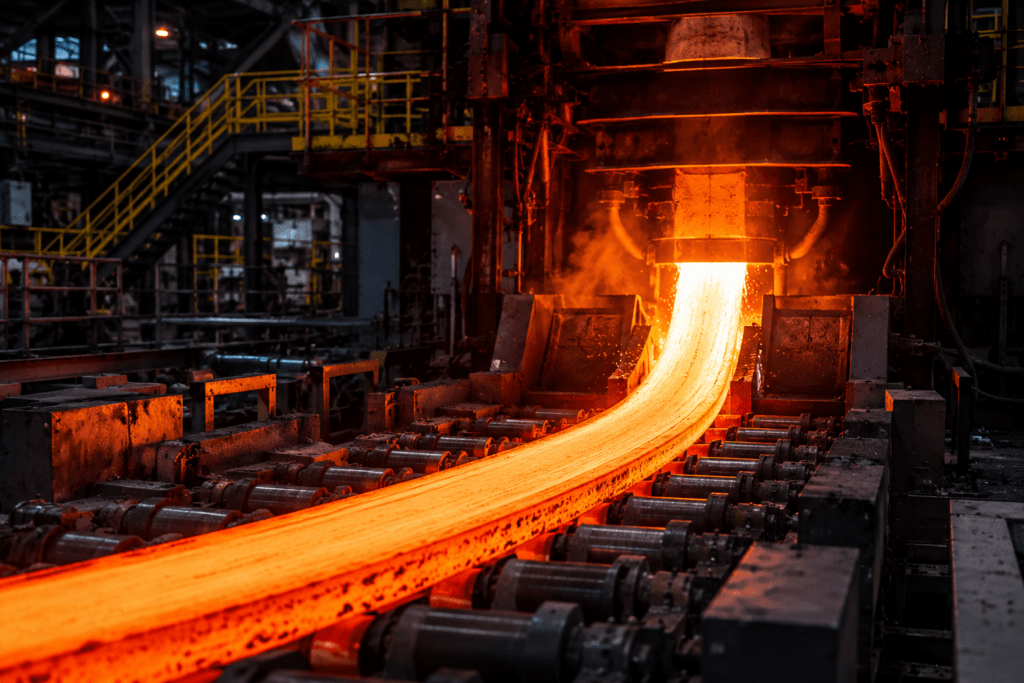
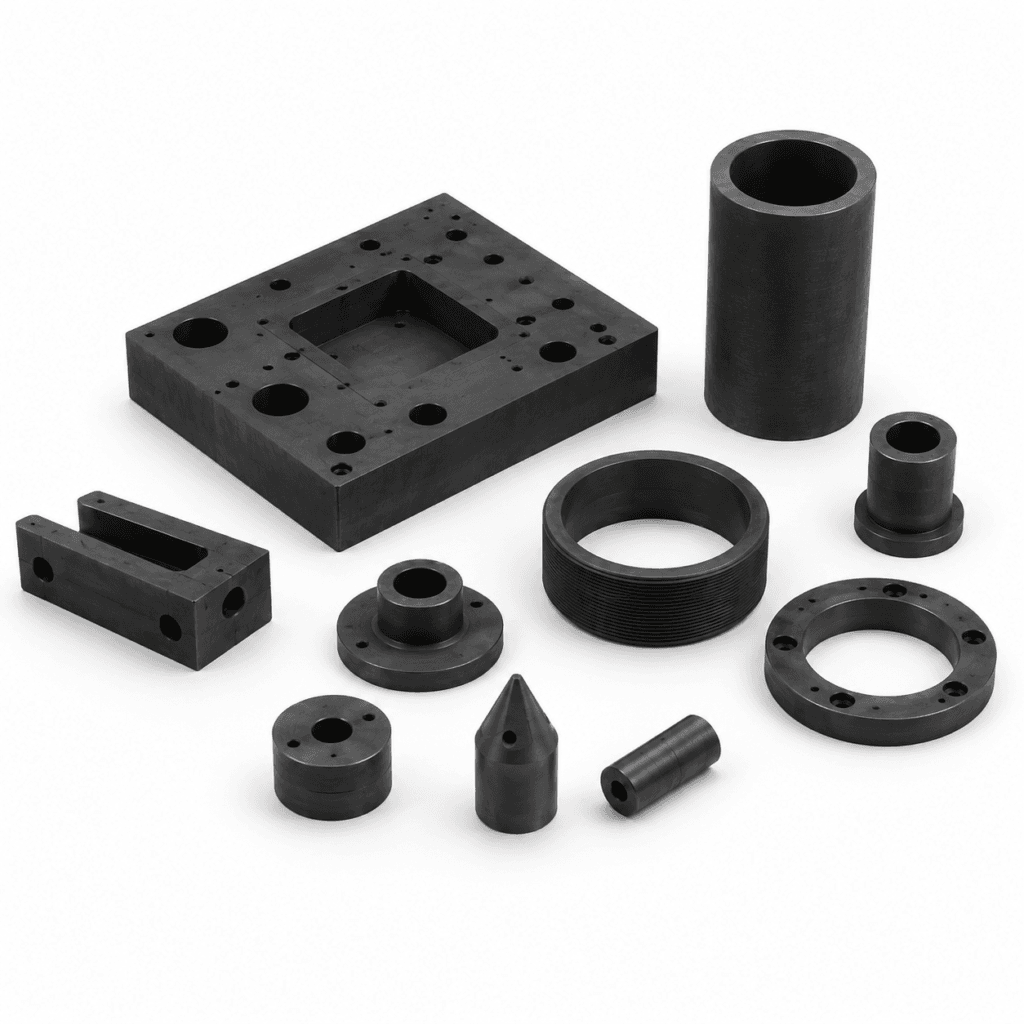
Typical Products: Graphite molds, dies, crystallizers, liners, sleeves, bushings, nozzles, casting rings, graphite plates, rods, and custom machined casting components.
Key Requirements: Good thermal conductivity, wear resistance, dimensional stability, thermal shock resistance, oxidation control, self-lubricating behavior, and resistance to molten metal contact conditions.
Related Products: Custom Machined Graphite Parts: crystallizers, dies, liners, sleeves, bushings, nozzles, casting rings, and custom casting components / Graphite Crucibles, Boats & Trays: graphite molds, trays, and casting-related containers / Materials, Targets & Stock Shapes: graphite rods, plates, blocks, and machining blanks
Contact us with your drawing, dimensions, material grade, quantity, and working conditions.
Carbon and graphite materials are widely used in semiconductor processing, vacuum furnaces, photovoltaic manufacturing, EDM machining, powder metallurgy, and continuous casting. They are selected for high-temperature stability, machinability, thermal conductivity, electrical conductivity, and resistance to thermal shock under suitable operating conditions.
Graphite is used in vacuum furnaces because it performs well at high temperatures under vacuum or inert atmosphere. It is commonly used for heaters, insulation parts, heat shields, support fixtures, trays, fasteners, and custom hot-zone components where thermal stability and low contamination are important.
Semiconductor processing may use high-purity graphite susceptors, wafer carriers, trays, boats, fixtures, rings, plates, and deposition-related components. Carbon evaporation materials and carbon sputtering targets may also be used in thin film deposition and coating processes.
Graphite is used in solar manufacturing because it provides thermal stability, good conductivity, and reliable long-cycle performance in silicon crystal growth and ingot production. Common graphite products include heaters, crucibles, support rings, guide tubes, insulation parts, boats, trays, and thermal field components.
Graphite electrodes are used in EDM because graphite is easy to machine into complex shapes, thin ribs, and fine details. It also provides stable discharge performance, low electrode wear, good dimensional accuracy, and consistent performance for precision molds and hard-to-machine materials.
The suitable graphite grade for EDM electrodes depends on electrode size, required surface finish, machining speed, discharge conditions, and dimensional accuracy. Fine-grain or isostatic graphite is often selected for precision electrodes, complex electrode shapes, and applications requiring stable surface quality.
Powder metallurgy commonly uses graphite molds, boxes, boats, trays, sintering plates, hot-pressing molds, support plates, spacers, carriers, crucibles, and custom graphite fixtures. These parts support pressing, sintering, hot pressing, and high-temperature powder processing in vacuum, inert gas, or reducing atmosphere.
Graphite molds are used in sintering and hot pressing because they can withstand high temperature, thermal cycling, and mechanical loading. They also provide good machinability and help maintain shape, support heat transfer, and reduce contamination risk during powder consolidation.
Continuous casting may use graphite molds, dies, crystallizers, liners, sleeves, bushings, nozzles, casting rings, plates, rods, and custom machined casting components. These parts are commonly used for non-ferrous metals such as copper alloys, precious metals, and specialty alloys.
Graphite can oxidize in air at elevated temperatures. For high-temperature applications, graphite is usually preferred in vacuum, inert gas, or reducing atmosphere. If the part will be exposed to air, the working temperature, exposure time, and oxidation risk should be reviewed before material selection.