Menu
Home / Machining Services
Drawing-based metal parts for engineering and purchasing teams. Start with the material, finished geometry, quantity and acceptance requirements; machining route, inspection and packaging are confirmed for the individual order.
There is no single published minimum/maximum size or blanket tolerance for this service. Feasibility and acceptance limits are reviewed against the selected material and drawing.
Select the actual material before specifying a part. The linked pages show existing product routes; they do not imply one common temperature rating, machining process or tolerance across all materials.
| Material | Existing product route | What to confirm |
|---|---|---|
| Tungsten (W) | Crucibles and high-temperature part geometries | Pure tungsten is separate from nickel/iron/copper-bound heavy alloys. Confirm grade, wall geometry and operating atmosphere. |
| Molybdenum (Mo) | Custom furnace parts and drawing-based components | State pure Mo or the exact alloy, material condition, threads, holes and finished dimensions. |
| TZM | Molybdenum-based alloy starting material and forms | TZM is an alloy, not a synonym for pure Mo. Confirm the specified material condition and part feasibility. |
| Tantalum (Ta) | Crucibles and custom formed / joined parts | Identify grade, wall thickness, joining requirements and application conditions. |
| Niobium (Nb) | Crucible and cup forms | Confirm grade, geometry, material condition and any joining or cleaning requirements. |
| Rhenium (Re) | Existing crucible product route | Product availability is distinct from a general Re machining capability; a custom process route requires review. |
For the full material directory, visit the Refractory Metals Hub. W-Ni-Fe and W-Ni-Cu product forms are listed separately below.
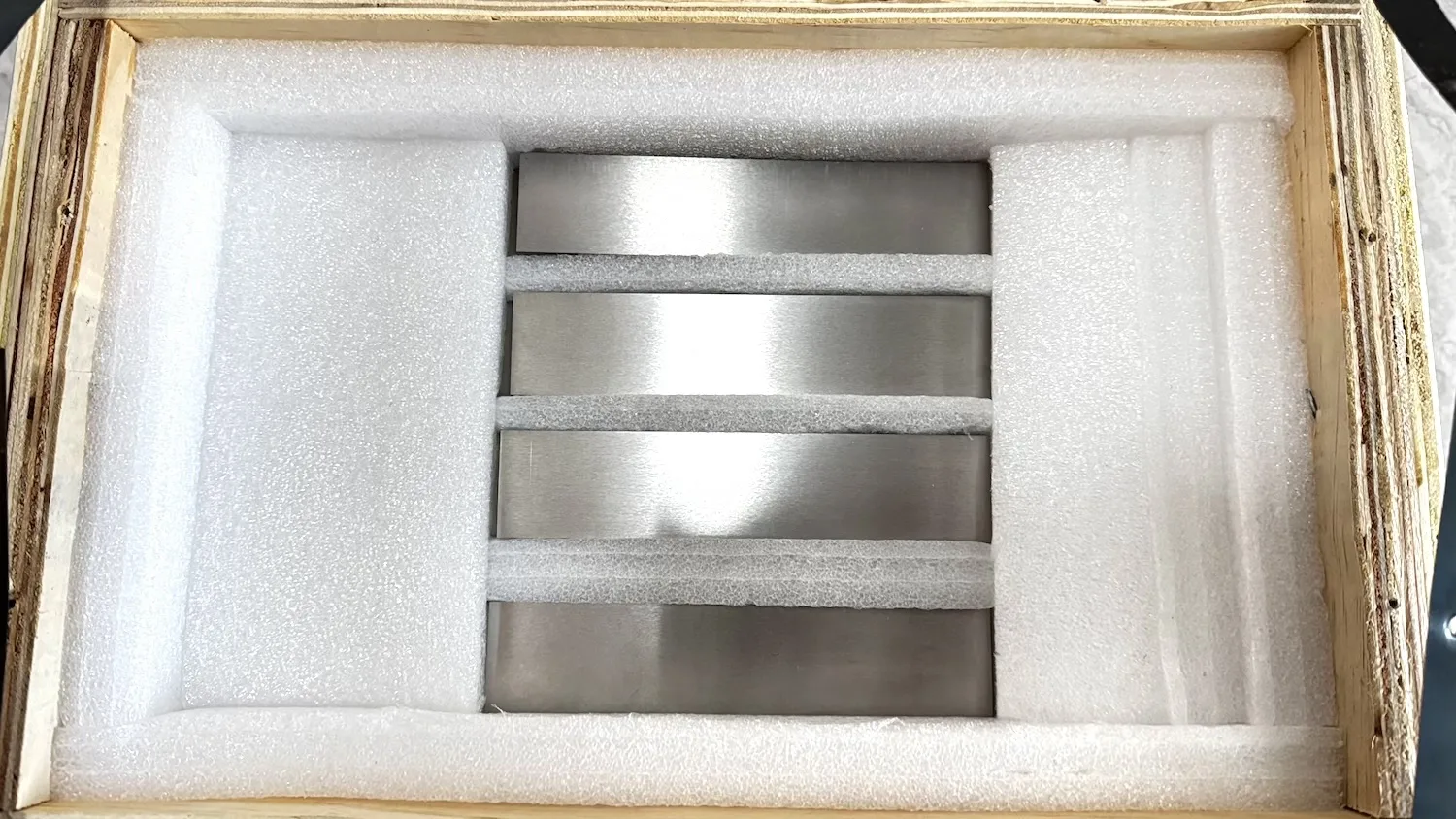
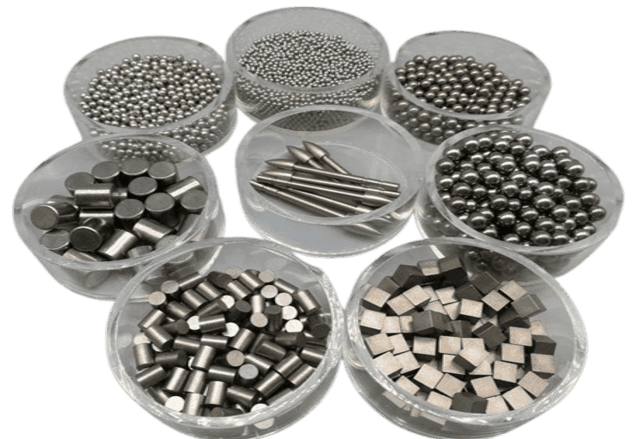
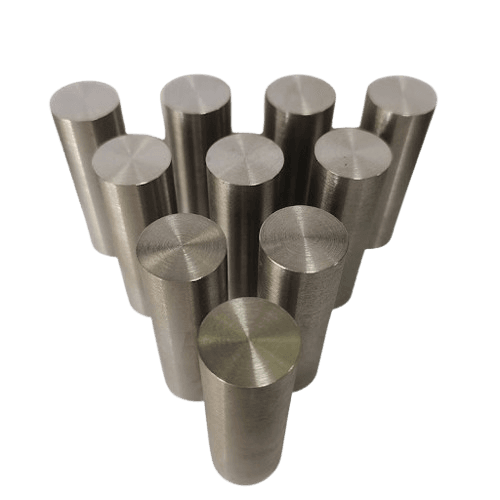
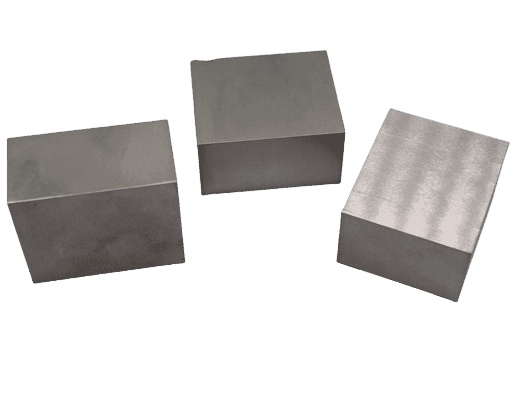
All 15 existing product destinations are retained below. These samples mainly cover tungsten heavy alloys; photos show product forms, while the selected grade, composition, dimensions and finish must be defined for the order.

Define weight, geometry, balance requirements and drawing revision.

Confirm the alloy composition, diameter, length and finished condition.

Specify thickness, finished outline, holes and surface requirements.

Define the component geometry, mass and assembly requirements.

Specify geometry and shielding application; approval requirements are reviewed separately.

Tube-form reference; confirm alloy, OD, ID, length and end features.
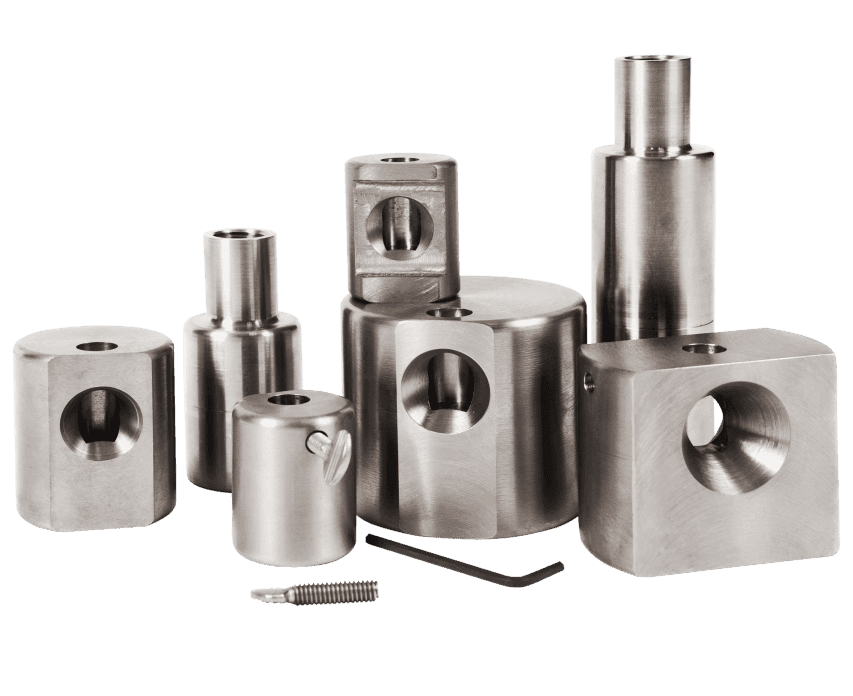
Provide aperture geometry, alignment features and drawing acceptance criteria.

Specify working faces, overall geometry and application requirements.

Send a drawing for the required W-Ni-Fe part geometry and finish.
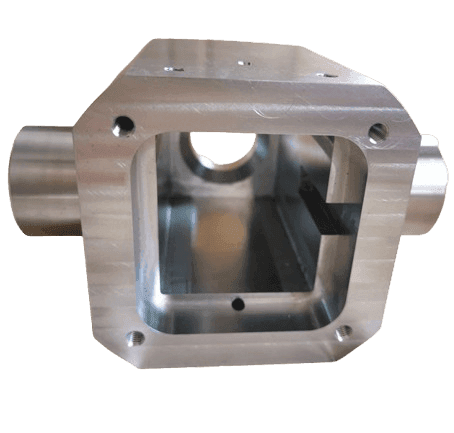
Drawing-based W-Ni-Cu components; confirm geometry and acceptance requirements.
Process allocation and any required manufacturing-source documentation are confirmed for the order. The presence of a process illustration or product photo does not establish equipment ownership, an in-house inspection facility or a certified capability.
Existing machining reference video. Material, process allocation and acceptance requirements for a new part are confirmed separately.
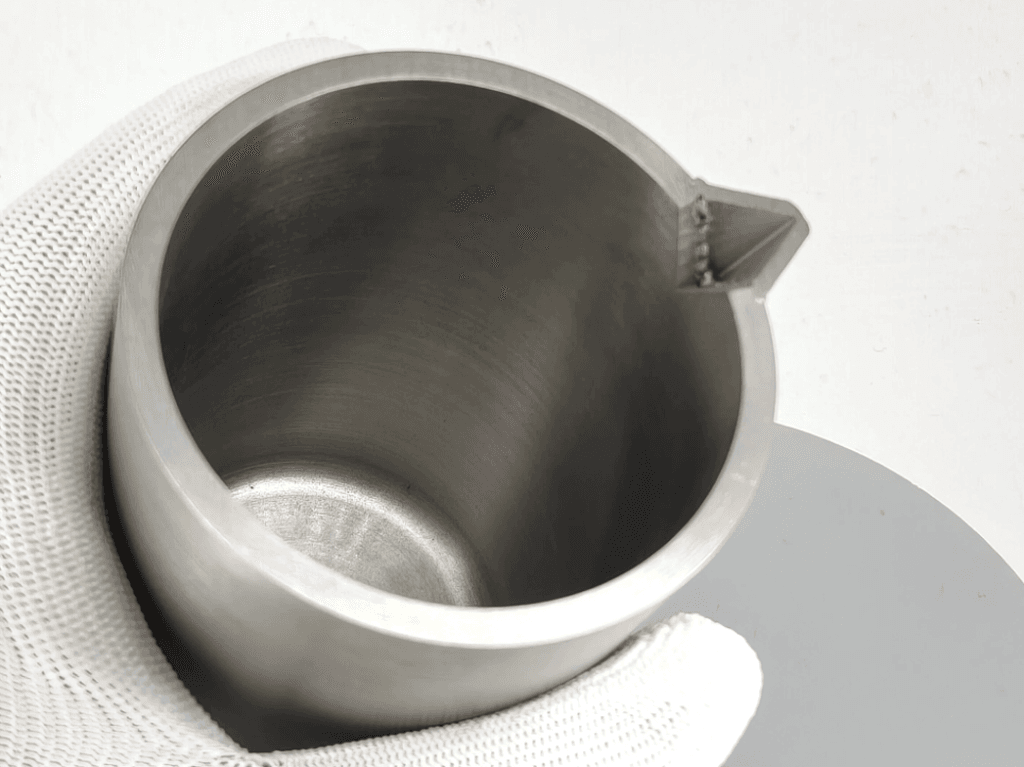
Published drawing-based project covering cavity geometry, spout fit-up and post-joining checks. Its dimensions and acceptance criteria apply to that project.
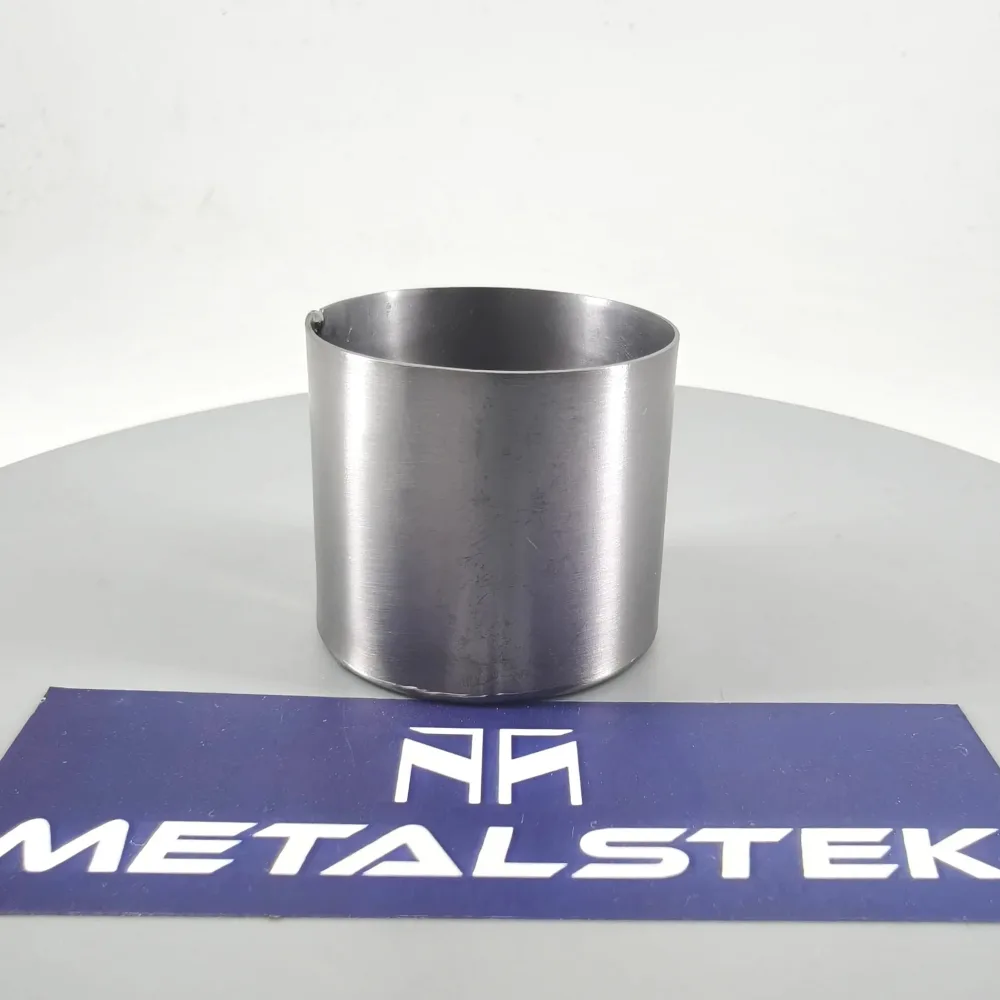
Existing case of 0.5 mm welded walls, batch handling and packaging. New drawings and inspection requirements require separate review.
Tantalum Sheet, Foil & Plate: Buyer Specification Guide — define material condition, thickness, dimensions and drawing requirements before part review.
China Dual-Use Export Licensing for Advanced Materials: Buyer’s Guide — prepare material, end-use and destination information early; requirements are assessed for the actual order.
Products are tagged and externally labeled for identification. Define protection for machined faces, thin walls, threads and mating features, plus batch identification and any special cleanliness requirements, during the drawing review.