Menu
Home / Refractory Metals / Zirconium
Choose zirconium rod, sheet and foil, wire, tube, targets or powder. Browse zirconia ceramics as a separate material family.
Specify the material grade, product form, dimensions and service conditions before requesting a quote.
Select the form first. Industrial zirconium, nuclear-designated material, implant alloys and zirconia ceramics are not interchangeable specifications.
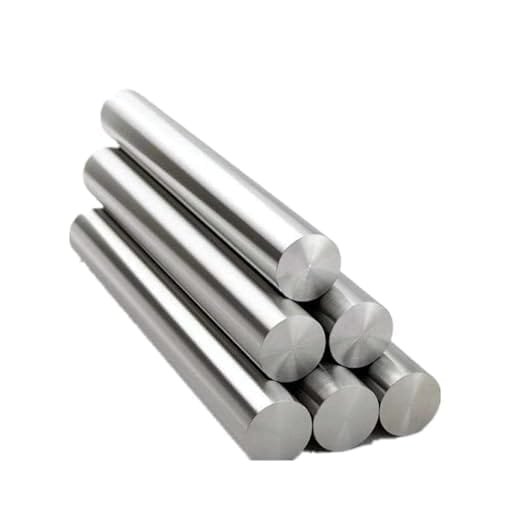
Confirm grade, diameter, length, material condition and test basis.
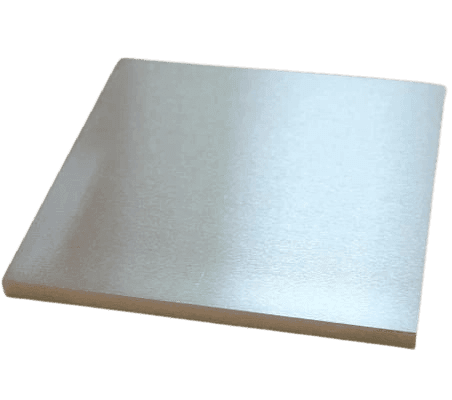
State thickness, width, length, condition and required tolerances.
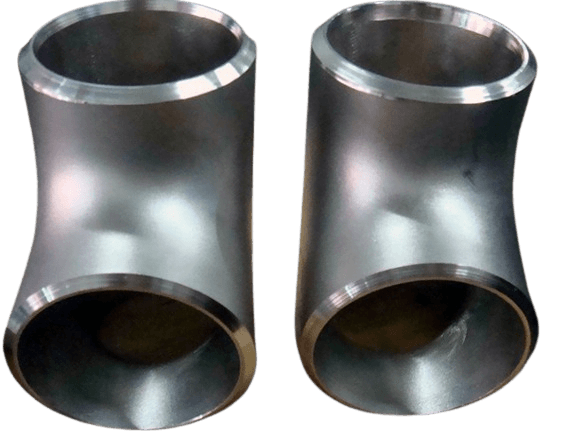
Define tube or fitting type, dimensions, joining details and service medium.
Specify diameter, coil or cut length, condition and intended use.
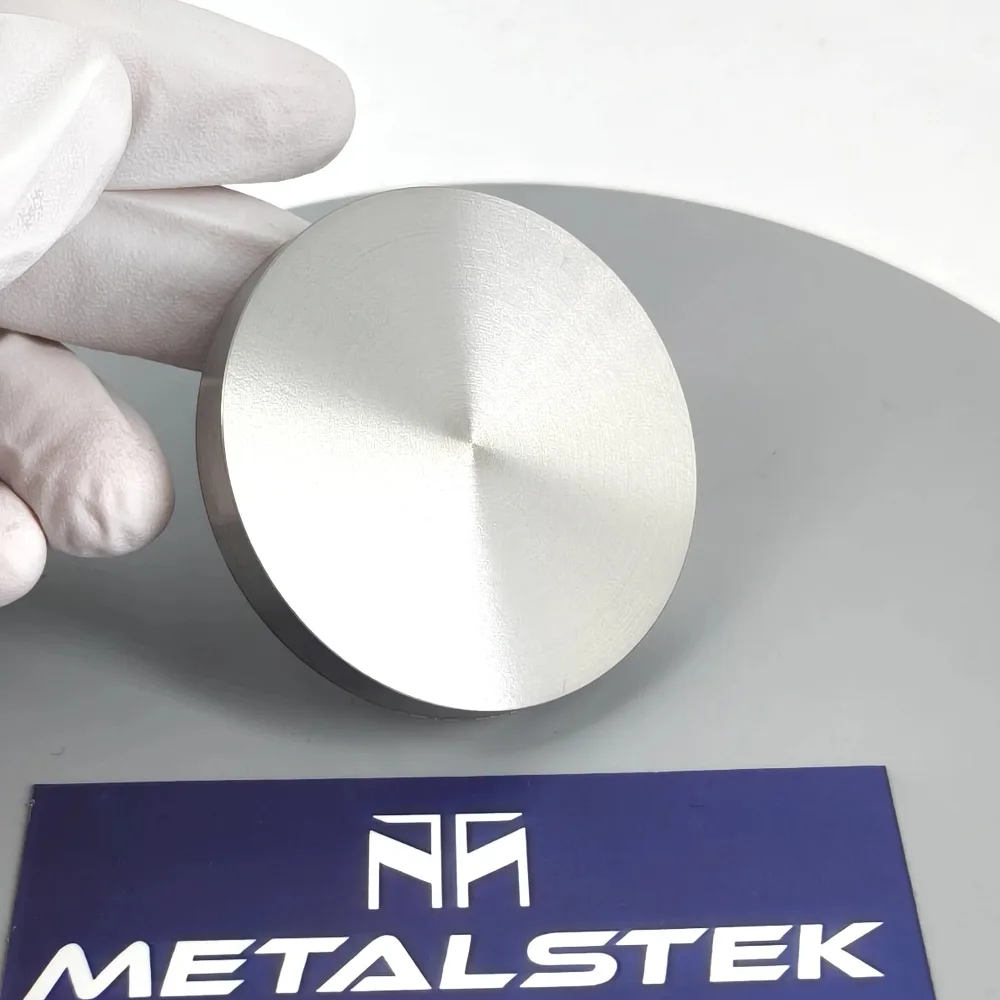
Identify metal or compound chemistry, target dimensions and backing needs.
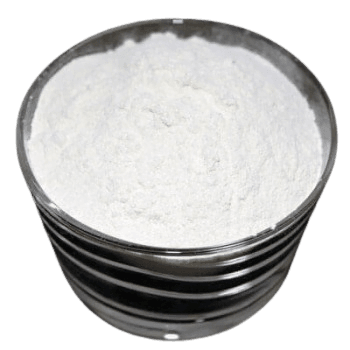
Define metal chemistry, particle-size distribution and handling requirements.
All distinct existing product pages are retained below. Metal products and oxide or other compound products are grouped separately to avoid material and standards mix-ups.
Zirconia (ZrO₂/YSZ) crucibles, ceramic parts and powders are not zirconium metal. Specify the compound and stabilizer where applicable; metal-product ASTM standards do not establish ceramic specifications.
Grade names, nominal purity and end-use labels answer different questions. The guide below separates the material systems instead of treating all zirconium products as one certified grade.
| Material category | Designation / scope | Procurement check |
|---|---|---|
| Industrial unalloyed zirconium | UNS R60702 | Specify product form, condition, chemical analysis and the applicable order standard. A Zr+Hf total is not a separate hafnium limit. |
| Industrial zirconium alloys | R60704: Zr–Sn; R60705: Zr–Nb | Specify the actual designation. Do not infer nuclear or implant qualification from an alloy family or nominal purity. |
| Nuclear-designated material | Named grade and nuclear product standard | Confirm the exact product form, hafnium and other impurity limits, traceability and acceptance documentation. Industrial grades are not automatically nuclear grade. |
| Surgical-implant alloy | UNS R60901: wrought Zr–2.5Nb under ASTM F2384 | This designation is distinct from industrial R60705 and from zirconia ceramics. Document the required material qualification; no implant certification is implied by this hub. |
Related alloy family: Niobium–zirconium products are a separate niobium-based route. They must not be substituted for zirconium–niobium R60705 or implant alloy R60901 solely because both contain Nb and Zr.
The editions below were checked against the ASTM catalog on 24 October 2026. State the contractual edition required for the order. Listing a standard here describes its scope; it is not a claim that every listed product conforms to it.
| Standard / catalog edition | Applicable material and form | Scope boundary |
|---|---|---|
| ASTM B550/B550M-23 | Zirconium and zirconium-alloy bar and wire | The listed grades include R60702, R60704 and R60705. This is not a sheet, tube or implant qualification. |
| ASTM B551/B551M-26 | Zirconium and zirconium-alloy strip, sheet and plate | Select the grade, flat-product form and purchase-order edition; do not apply it to rod or tube merely because the metal is zirconium. |
| ASTM B352/B352M-26 | Zirconium and zirconium-alloy sheet, strip and plate for nuclear application | A nuclear flat-product specification, not a blanket standard for every nuclear component or an assertion of supplier qualification. |
| ASTM F2384-24 | Wrought zirconium–2.5niobium alloy for surgical-implant applications, UNS R60901 | The published abstract identifies bar/wire manufacture. It does not certify ordinary pure Zr, industrial Zr–Nb or zirconia ceramic products. |
Tube, pipe fittings, powder, targets and ceramic crucibles require their own appropriate specifications. Do not inherit a bar, flat-product or implant standard by association.
The original elemental-property values below are retained as reference data. They are not alloy-specific guarantees or allowable service temperatures; composition, condition and the measurement basis matter.
Phase At STP | Solid | Electrical Resistivity | 421 nΩ⋅m (at 20 °C) |
Melting Point | 2,125 K (1,852°C/3,365°F) | Magnetic Ordering | Paramagnetic |
Boiling Point | 4,650 K (4,377°C/7,911°F) | Young’S Modulus | 88 GPa |
Density (Near R.T.) | 6.52 g/cm3 | Shear Modulus | 33 GPa |
Appearance | Silvery White, Metallic | Bulk Modulus | 91.1 GPa |
Heat Of Fusion | 14 kJ/mol | Poisson Ratio | 0.34 |
Heat Of Vaporization | 591 kJ/mol | Mohs Hardness | 5 |
Molar Heat Capacity | 25.36 J/(mol·K) | Vickers Hardness | 820–1,800 MPa |
Thermal Expansion | 5.7 µm/(m⋅K) (at 25 °C) | Brinell Hardness | 638–1,880 MPa |
Thermal Conductivity | 22.6 W/(m⋅K) | Cas Number | 7440-67-7 |
| Grade | State | Rm(≥)/MPa | Rp0.2 / MPa | A50mm(≥)/% |
|---|---|---|---|---|
| UNS R60702 | Annealed | 379 | 207 | 16 |
| UNS R60704 | Annealed | 413 | 241 | 14 |
| UNS R60705 | Annealed | 552 | 379 | 16 |
The existing R60702, R60704 and R60705 reference values and annealed state are retained. The yield-stress heading is expressed in MPa. Required strength, elongation gauge length, dimensional range and test method must be confirmed for the ordered product form and standard edition. These values are not a universal nuclear or implant acceptance table.
Define the process medium, concentration, temperature, impurities, joining method and corrosion-acceptance basis. Corrosion resistance must be evaluated for those conditions; it is not resistance to every acid or alkali.
State whether a purity figure refers to Zr alone or Zr+Hf. Where low-hafnium material is required, specify the Hf limit and the required analysis and traceability independently of headline purity.
Provide dimensions, tolerances, condition, surface and drawing revision. For powder, identify metal versus oxide, particle-size distribution and the relevant SDS and handling requirements.
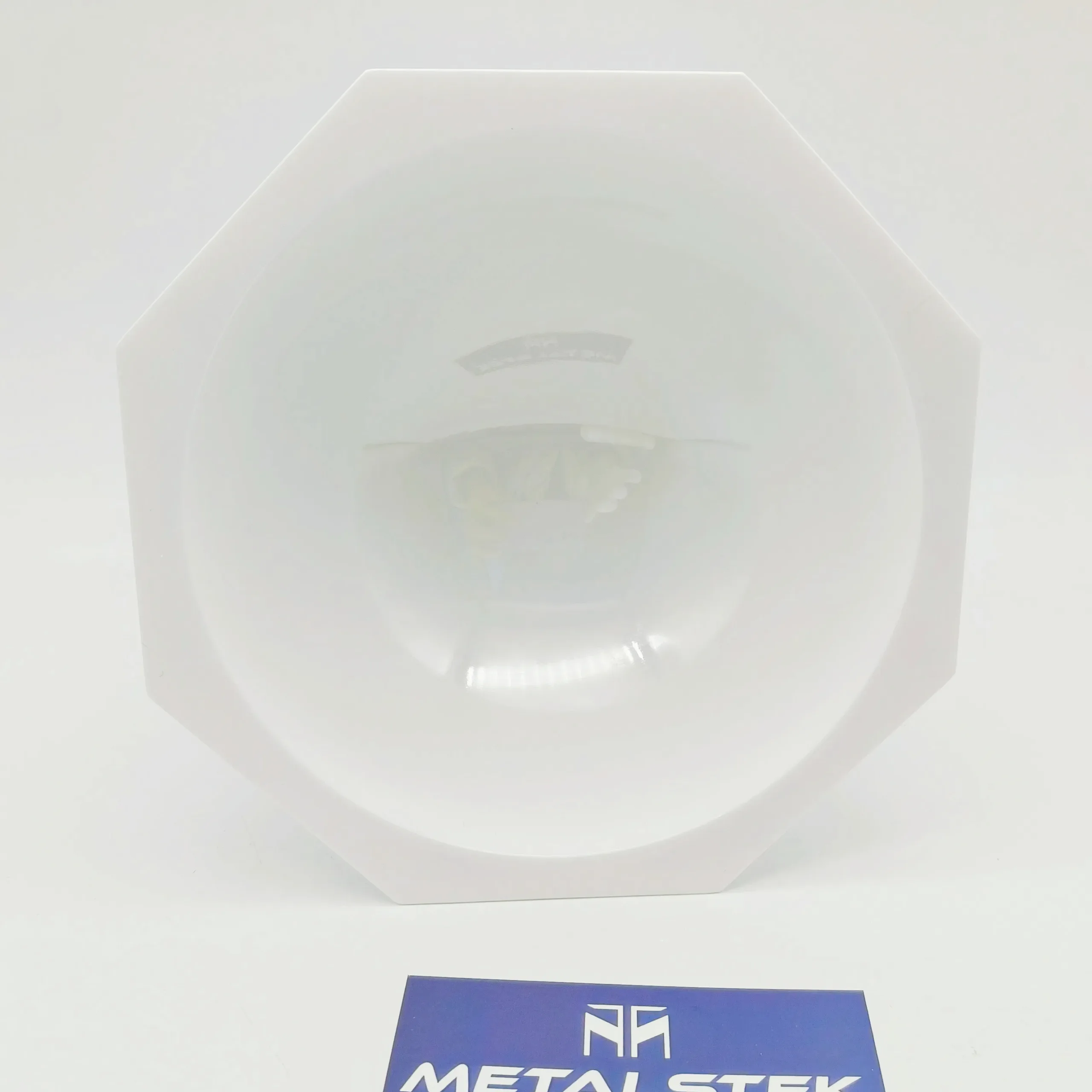
Crucible requests: identify zirconium metal versus zirconia/YSZ ceramic before specifying capacity, geometry or service conditions. The existing mortar, pestle and crucible route is a ceramic family, not proof of a metal-crucible grade or standard. Send the material and drawing for review →
These existing material-family descriptions are retained for selection context. Use the product directory for published routes; requests outside a listed product specification require review and are not stock or qualification commitments.
Zirconium Metal
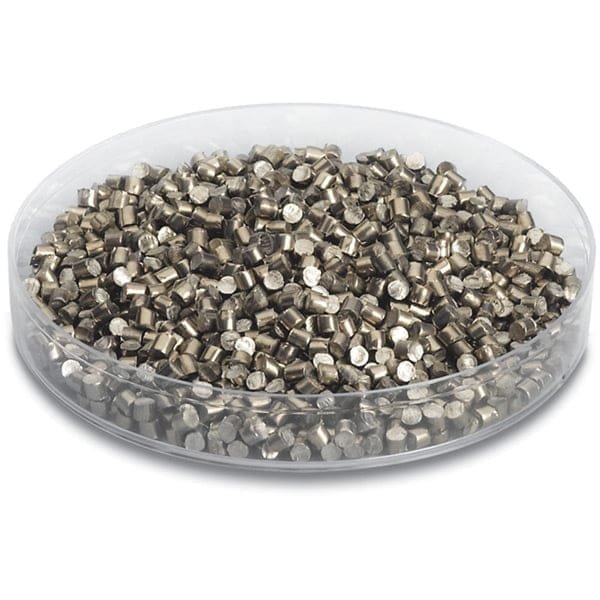
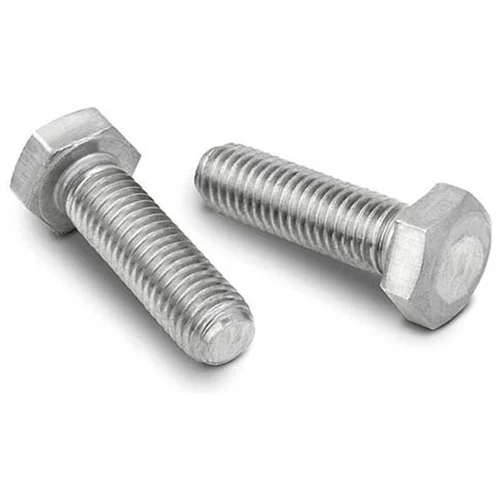
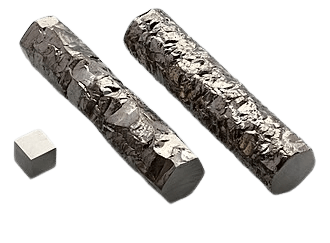
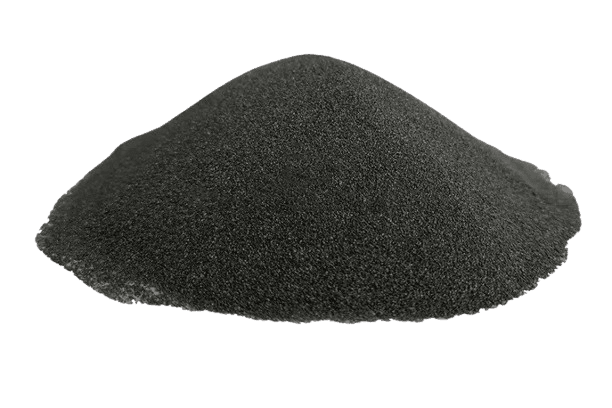
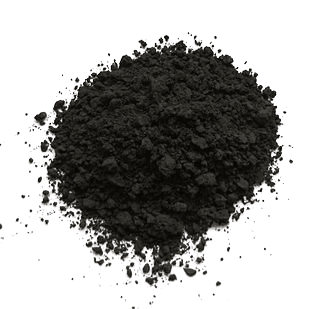
Shape: Micro Zirconium Powder, Zirconium Crystal Bar, Nano Zirconium Powder, Rod, Plate, Tube, Foil, Wire, Flange, Fastener, Crucible, Pipe Fitting, Mesh, Sheet, Bar, Sputtering Target, Custom Fabrication, Strip, Pellet, Ribbon, Ring, Spring, Sponge, Sand, etc.
Confirm chemistry, purity basis and required documentation for the selected product.
Zirconium Alloys
Niobium Zirconium Alloy, Magnesium Zirconium, Zirconium Ferro Silicon, Zirconium Titanium,
Shapes: Foil/Strip, Sheet/Board, Tube/Pipe, Rod/Bar, Wire, Disc
Zirconium Compounds & Catalysts
Compounds: Zirconium Carbide, Zirconium Nitride, Zirconium Diboride, Zirconium Disulfide, Zirconium Oxide, Calcium Oxide Stabilized Zirconia, Magnesia Stabilized Zirconia, Yttria Stabilized Zirconia, Cerium Stabilized Zirconia, Alumina Stabilized Zirconia, Zirconium Hydride, Zirconium Carbonate, Gadolinium Zirconate, etc.
Zirconia
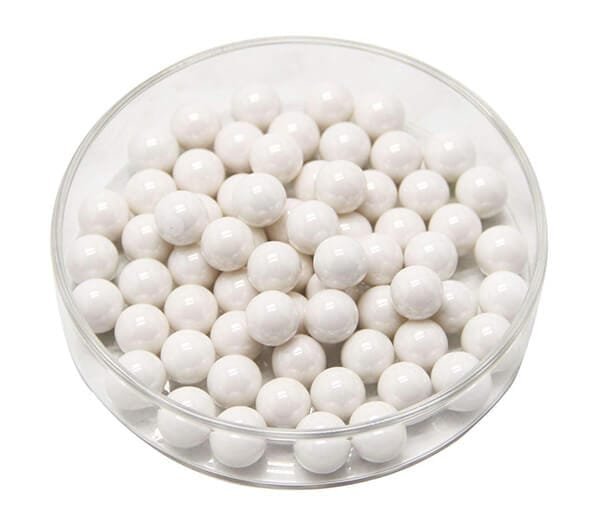
Zirconia Mortars & Pestles, Zirconia (YSZ) Grinding Media, Zirconia Rod/Tube, Zirconia (YSZ) Tube, Yttria Alumina Zirconia, Zirconia Toughened Alumina, Ceria Stabilized Zirconia, Yttria Stabilized Zirconia, etc.
Zirconium Evaporation Materials
Zr, Ni/Zr, Zr/Al, Zr/Cu, Zr/Ni, Zr/Ti, Zr/W, BaZrO3, PbZrO3, Lead Lanthanum Zirconium Titanate, SrZrO3, ZrO2, ZrN, ZrC, ZrF4, ZrSi2, ZrB2 Evaporation Materials, etc.
Confirm chemistry, purity basis and required documentation for the selected product.
Other Zirconium Products
Scandia Ceria Stabilized Zirconia Cathode Powder, Yttria Stabilized Zirconia Crystal Substrate, Zirconium Telluride, and Zirconium Triselenide Crystal.
Confirm chemistry, purity basis and required documentation for the selected product.
Zirconium and hafnium commonly occur together and have similar chemistry, but their neutron-absorption behavior differs. Nuclear-material procurement therefore needs the applicable hafnium requirement and documented analysis, rather than an industrial purity label. The earlier discussion of “isotope separation” is not an appropriate general description of separating these two elements.
For the separate material family, see Hafnium Products. Background on the elemental distinction: Royal Society of Chemistry — Zirconium.
Existing technical articles provide deeper context and return through their related product pages. Specifications, material grade and quotation requirements should be confirmed for the actual order.
Compare material choices, corrosion context and the questions to resolve before specifying foil.
Read application background while keeping grade, operating limits and the product specification distinct.
Explore ZrC as a ceramic compound; do not apply pure-metal zirconium data to it.
Review the separate niobium-based alloy family and its existing product route.
For a zirconium quotation: provide the material designation, industrial/nuclear/implant or ceramic scope, product form, standard and edition if required, dimensions or drawing, quantity, operating conditions and documentation requirements. A request for a regulated end use does not establish supply qualification.