Menu

METALLIC Mo POWDER · SIZE · MORPHOLOGY · PURITY
Compare general, plasma-spherical, thermal-spray, nano and micro powder references. Specify the grade, particle-size basis, morphology and impurity requirements for your process, then request the documents needed for the offered material.
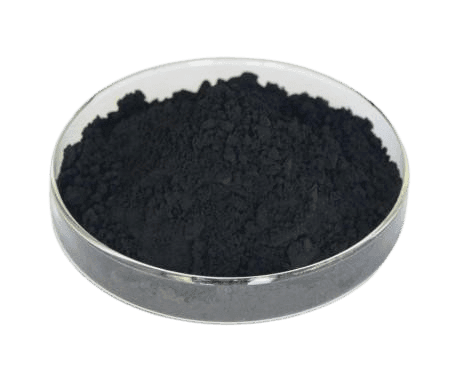
Existing micro-powder catalogue view.
Photographs illustrate existing catalogue forms. A photograph or package label is not a particle-size report, SEM result or certificate for a supplied lot.

Review the listed purity options and define the required size cut, chemistry and intended processing route.
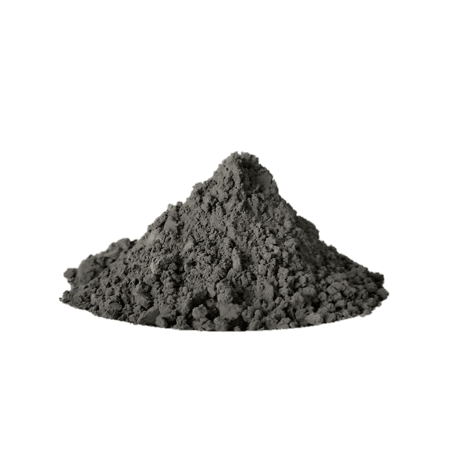
Review the grade-specific size, tap-density, flow and impurity references. Confirm the required measurement basis during quotation.
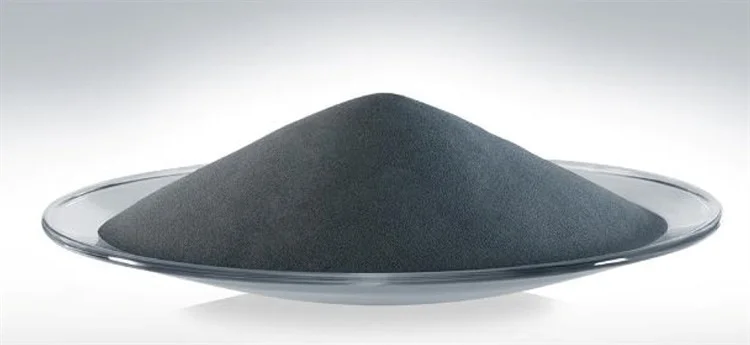
Choose the size range and listed agglomerated, sintered, crushed or densified morphology appropriate to the proposed spray process.
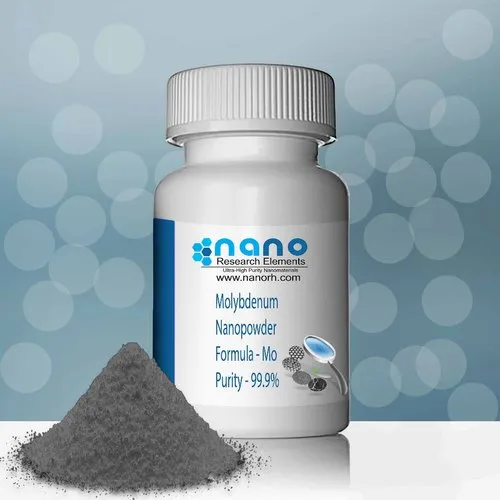
Specify the required particle-size definition, surface area, chemistry and product-specific handling documents.
Existing catalogue reference image. Confirm the actual offered product, packaging and lot documents in the quotation.
Each table describes a separate catalogue option. Confirm the required chemistry, particle-size definition, test method and documents for the offered grade. APS, a sieve cut and a full particle-size distribution are different specifications.
| Parameter | Catalogue reference / confirmation |
|---|---|
| Material / CAS | Molybdenum (Mo), CAS 7439-98-7; grey powder. |
| Listed purity options | 99%, 99.5%, 99.8%, 99.9% and 99.95%. Specify the selected grade and purity-reporting basis. |
| Particle size | Wide, tailored range; define the required size specification and measurement basis. |
| General density reference | 9.8–10.2 g/cm³. This material-reference figure is not a specified apparent or tap density for every powder. |
| 99% grade impurity reference | Pb <0.001%, Bi <0.001%, Sn <0.001%. |
| 99.5% grade impurity reference | Pb <0.0001%, Bi <0.0001%, Sn <0.0001%. |
| Parameter | Catalogue reference / confirmation |
|---|---|
| Material / purity | Molybdenum; listed Mo 99.8%. |
| Particle-size reference | 15–150 µm; tailored requests require confirmation. |
| Tap-density reference | ≥6.5 g/cm³. |
| Hall-flow reference | 40 s/50 g. |
| Spheroidization reference | ≥98%. |
| Oxygen reference | ≤300 ppm. |
| Nickel reference | ≤10 ppm. |
Tap density, flow, spheroidization and impurity values are catalogue references for this option. Specify the test basis and required acceptance evidence; no lot test result is implied here.
| Parameter | Catalogue reference / confirmation |
|---|---|
| Material / purity / CAS | Molybdenum, ≥99.0%; CAS 7439-98-7. |
| 16–45 µm | Agglomerated and sintered. |
| 30–75 µm | Sintered and crushed. |
| 38–75 µm | Agglomerated and densified. |
| Parameter | Catalogue reference / confirmation |
|---|---|
| Material / purity / CAS | Molybdenum, ≥99.9%; CAS 7439-98-7. |
| APS reference | 60 nm. |
| Specific surface area reference | 10 m²/g. |
| Tap-density reference | 3.39 g/cm³. |
| Parameter | Catalogue reference / confirmation |
|---|---|
| Material / CAS | Molybdenum; CAS 7439-98-7. |
| Purity | Confirmation required for the requested grade. State the minimum Mo content and impurity limits needed for your order. |
| APS reference | 1–2 µm. |
| Specific surface area reference | 4 m²/g. |
| Tap-density reference | 3.39 g/cm³. |
The micro-grade purity entry needs reconfirmation. Particle-size, surface-area and tap-density references do not establish the purity or documents of an offered lot.
The existing MP-1, MP-2 and MP-3 composition table is retained below. Confirm the purity-reporting basis, oxygen limits, impurity limits and required certificate for the selected product. The separate 99% and 99.5% impurity references above do not automatically define these MP grades.
| Molybdenum Power Compositions (PPM) | |||
|---|---|---|---|
| Grade | MP-1 | MP-2 | MP-3 |
| Mo≥ | 99.95% | 99.90% | 99.80% |
| Fe | 50 | 60 | 100 |
| Al | 15 | 20 | 50 |
| As | 10 | — | — |
| Ba | 10 | — | — |
| C | 40 | 75 | — |
| Ca | 20 | 20 | 50 |
| Co | 30 | — | — |
| Cr | 20 | 30 | — |
| Cu | 10 | 20 | 30 |
| K | 20 | — | — |
| Mg | 10 | 20 | 20 |
| Mn | 5 | 10 | — |
| Na | 10 | — | — |
| Ni | 10 | 20 | 10 |
| O | 500-1000 | 2000 | 2500 |
| P | 10 | 20 | — |
| Pb | 10 | 10 | — |
| S | 20 | — | — |
| Si | 10 | 30 | 200 |
| Ti | 10 | 10 | — |
| W | 100 | 300 | — |
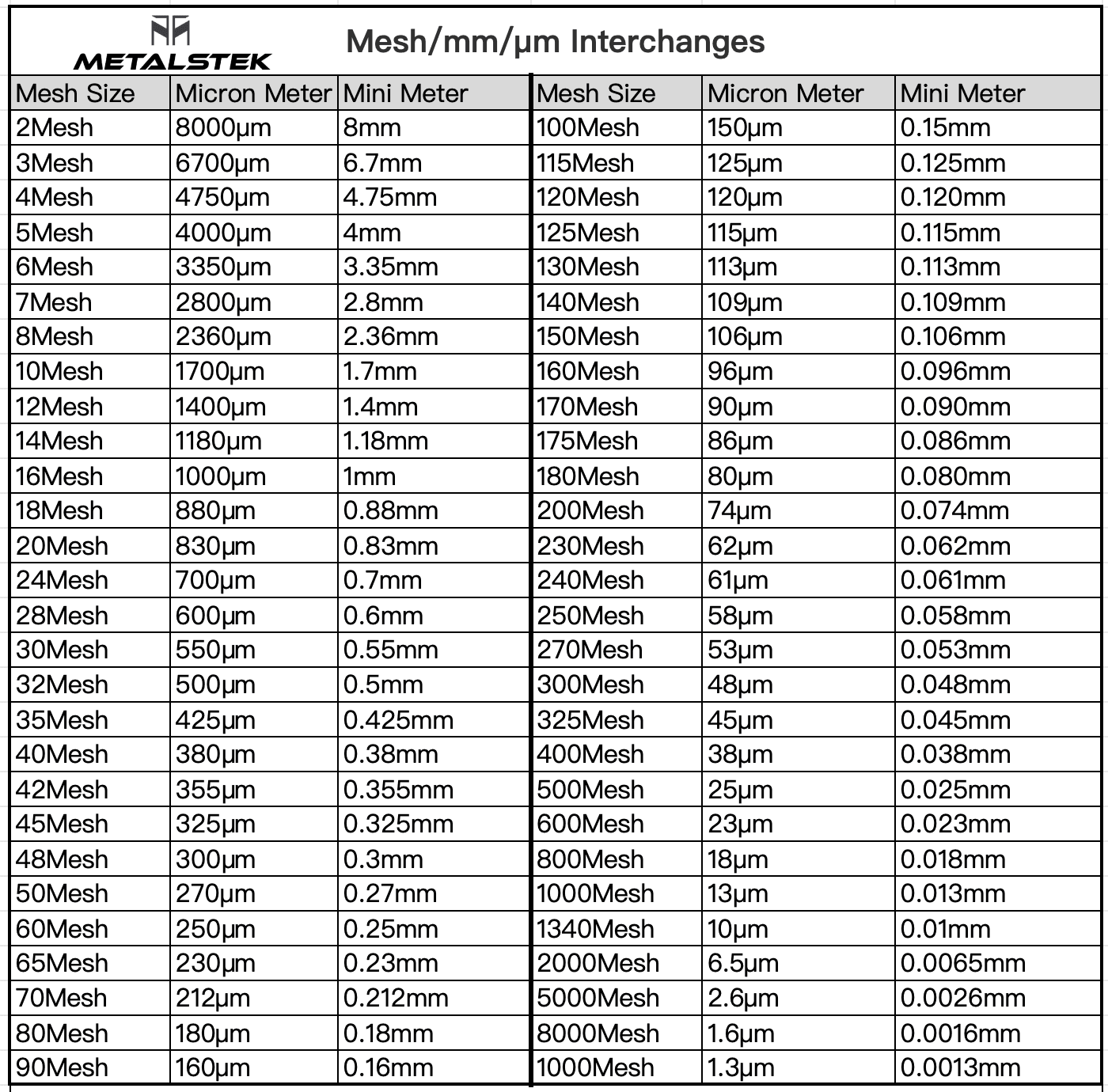
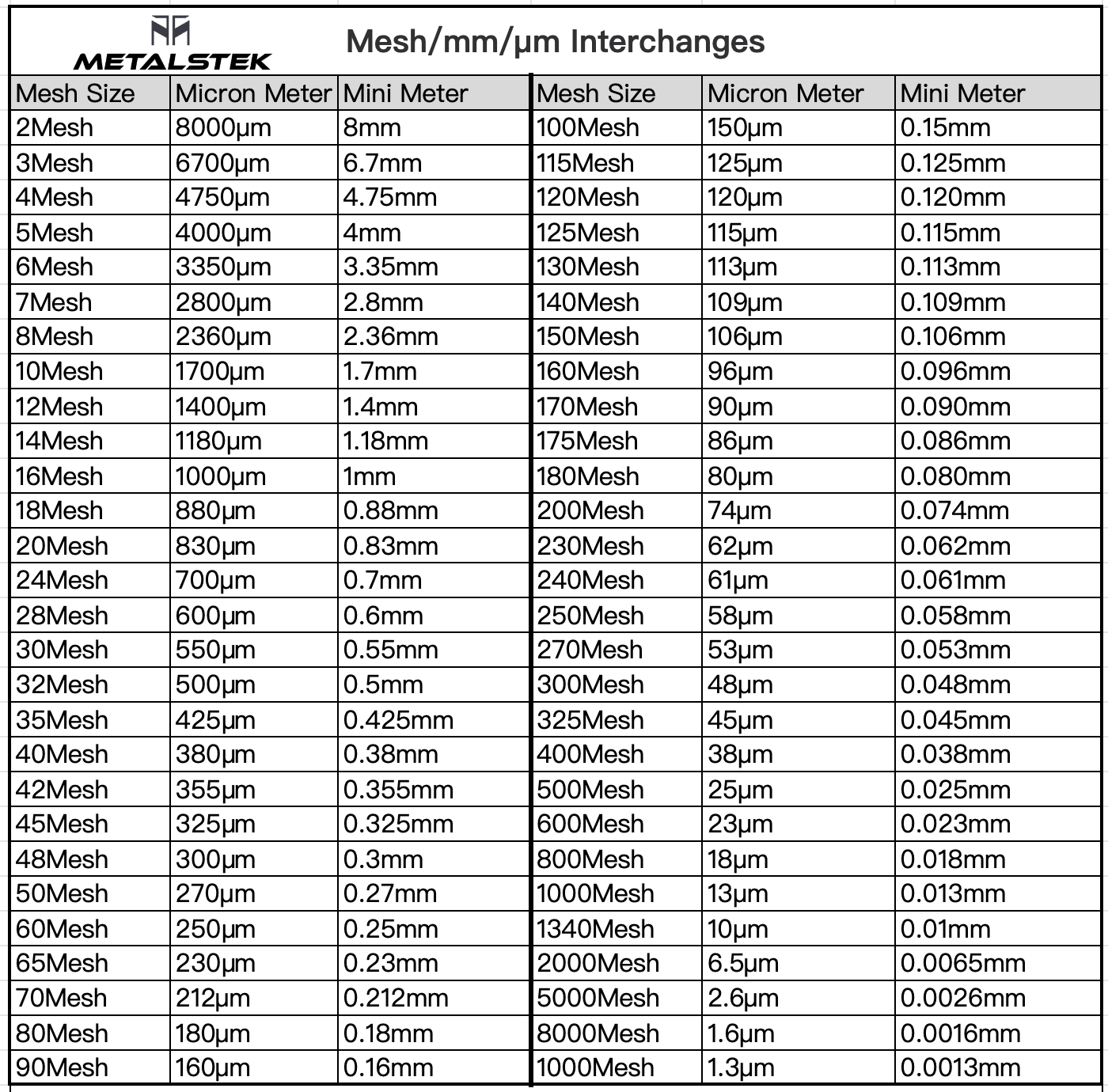
State whether the requirement is an APS value, a size cut or a measured particle-size distribution. Define the measurement method and any D10, D50 or D90 acceptance limits where required.
The existing chart is a size reference. It is not an SEM image, measured distribution or certificate for a particular batch.
The catalogue discusses alloying, sintered parts, metal injection moulding, ceramic metallization, infiltration and target production. Specify the processing route, chemistry, particle size and required powder behaviour for your enquiry.
For the thermal-spray, additive-manufacturing, hot-isostatic-pressing, electronics or research contexts named in the catalogue, define the process and acceptance requirements for the selected grade. Coating or finished-part performance requires its own review.
For storage, handling and transport, request the current SDS for the exact product and follow its requirements. Confirm cool, dry storage, identification and packing arrangements for the offered grade; nano and fine powders should not be treated as interchangeable with bulk metal.
Start with the process, chemistry, particle-size requirement and morphology. General, spherical, spray, nano and micro options have separate references; do not apply one grade’s purity, density or flow values to every powder.
Do not assume they are interchangeable. State the particle-size definition and measurement method required for your application. A single APS value does not define the full particle-size distribution.
No. The material-reference density is separate from the grade-specific tap-density entries. If apparent density, tap density or flow is an acceptance requirement, define the test method and required result.
State the required certificate, characterization and test methods in your enquiry. Availability and the documents for the offered product or lot must be confirmed in the quotation; catalogue photographs and charts are not substitutes for those records.
Compare a separate refractory-metal powder family and define its own grade and size requirements.
Review an oxide compound separately from metallic Mo powder; the material chemistry is different.
Review carbide powder as a distinct compound material with its own specification.
Explore applications of molybdenum carbide powder, a separate compound material from metallic molybdenum powder.
Read a separate refractory-metal powder example covering spherical tungsten and additive manufacturing; specify molybdenum requirements independently.
Send the grade or required chemistry, morphology, particle-size specification, quantity and intended process. Include the test methods, documents, packing and delivery requirements for the order.