
Menu
Specify pure Ag wire, silver bonding wire or an explicit alloy/coated construction. Send diameter, material condition, length, quantity and application for an industrial or research quotation.
Silver Materials / Silver Wire
Choose the material construction before choosing a size. Listed ranges are existing inquiry references, not stock, lead-time or every-combination guarantees. Use the five existing options below; specify industrial/research or jewelry requirements separately.
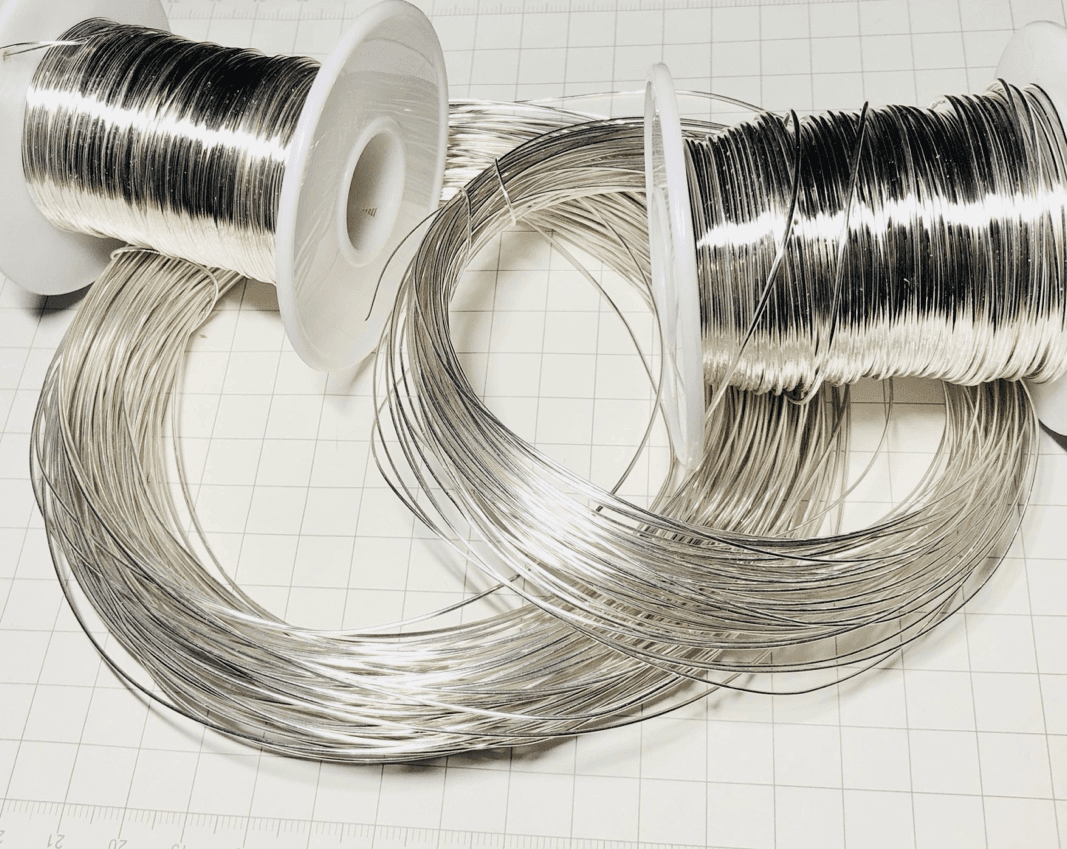
Electronic interconnect and laboratory/electrode requirements differ from jewelry wire. For semiconductor bonding, specify pad metallization, process and qualification requirements; chemical purity alone does not establish bonding performance.
Existing fine-wire reference table: retained diameter, elongation, breaking-load and length entries below apply to the original fine-wire listing, not every Ag purity, 925 alloy, coating or bonding grade. Confirm the actual grade, condition and test basis before treating any row as an acceptance requirement.
Diameter | Elongation | Breaking Load | Length | |
µm | mil | % | mN | m |
15 | 0.6 | 1.0-8.0 | 27-55 | 300/500 |
18 | 0.7 | 1.0-8.0 | 40-78 | 300/500 |
20 | 0.8 | 1.0-8.0 | 50-98 | 300/500 |
25 | 1 | 1.0-8.0 | 78-151 | 300/500 |
30 | 1.2 | 1.0-10.0 | 109-215 | 300/500 |
925 sterling silver is a silver–copper alloy, typically selected for jewelry, forming and repair. It is not high-purity Ag or semiconductor-qualified bonding wire. State the intended use explicitly.
Specify the required core and coating in your inquiry; appearance alone cannot verify a coated wire’s composition.
Coating specifications and suitability require quotation review. Gold-plated silver differs from solid gold wire and silver-plated copper; no medical or aerospace qualification is implied.
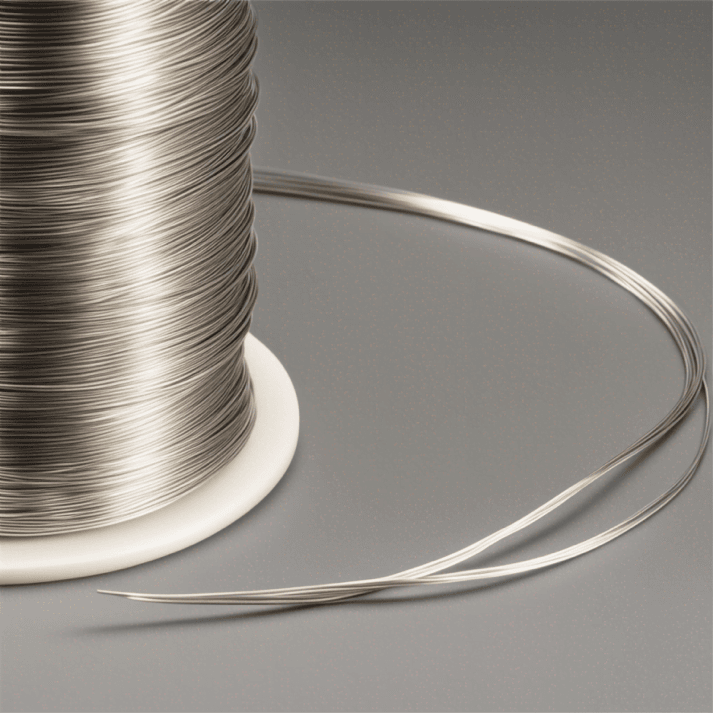
Alloy chemistry, surface condition and bonding process govern performance. Request applicable data for the offered grade instead of transferring pure-silver properties or a generic cost/reliability advantage to every alloy.
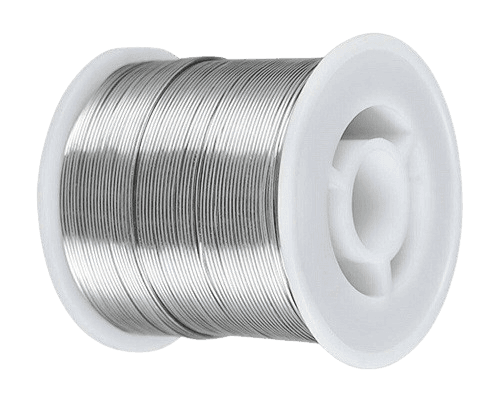
This is a lead-containing solder alloy, separate from pure Ag, sterling silver and fine bonding wire. The earlier 304°C melting-point entry lacked a stated composition; use the melting interval for the confirmed alloy, not a universal Pb–Ag value.
Diameter and condition: give diameter in mm or µm and its tolerance; state the required temper/annealed condition, surface cleanliness and straightness where relevant. For bonding wire, add the required elongation/breaking load, pad metallurgy and process.
Length and quantity: give cut length or spool/coil length, total length or mass, and piece count. For 15–30 µm fine wire, the retained table lists 300/500 m references; this is not a standard package for every product.
Application limits: electrical contacts, electrodes and interconnects require their own electrical, surface and process criteria. Silver-plated copper, silver-containing thermal-spray wire and nickel silver are different constructions or alloy families; this page does not establish supply or performance for them. Material naming does not establish medical-device approval.
Request spools, coils or cut lengths as needed; confirm unit length, spool compatibility, protective packaging, labels and storage/handling instructions with the quotation. Packaging should protect fine wire from tangling, kinks and surface contamination. No powder-packaging description applies to this wire page.
Include material/purity or alloy ratio, diameter, tolerance, condition, length, quantity and application. Add coating requirements for plated wire and process requirements for bonding wire. Upload a specification or drawing through the existing RFQ control below. Quote buttons prefill product context in Project Details; complete the Product / Material field as required.
Browse the Silver Hub, compare silver alloy materials, or select other silver metal forms.
Related reading: Silver wire guide: jewelry, electronics and crafting. Use its application context with the grade-specific selection notes above; jewelry intent does not qualify industrial bonding wire.
No. This listing identifies 925 as 92.5% Ag with 7.5% Cu; pure Ag wire uses its own stated purity. Specify which material your process requires.
No. Specify a bonding grade and qualify diameter, mechanical properties, surface condition and process compatibility. A general purity or diameter range is insufficient.
Send purity or composition, diameter and tolerance, condition, length and quantity. Include application, packaging and any coating or bonding requirements. The quotation confirms the offered specification.