Menu
Home / Refractory Metals / Vanadium
Find vanadium metal, rod, wire, sheet and foil, powders and deposition materials.
Define metal, alloy or compound chemistry before specifying purity, dimensions and process requirements.
Choose the form first. Metal, alloy and compound specifications must be confirmed separately.
Confirm chemistry, material condition, dimensions and required inspection documents.
Confirm chemistry, material condition, dimensions and required inspection documents.
Confirm chemistry, material condition, dimensions and required inspection documents.
Confirm chemistry, material condition, dimensions and required inspection documents.
Confirm chemistry, material condition, dimensions and required inspection documents.
Confirm chemistry, material condition, dimensions and required inspection documents.
Browse every existing product-family page below. Shared destinations cover their published subforms; a new page is not implied for each alloy or powder variant.
| Family | Existing scope / selection input | Boundary |
|---|---|---|
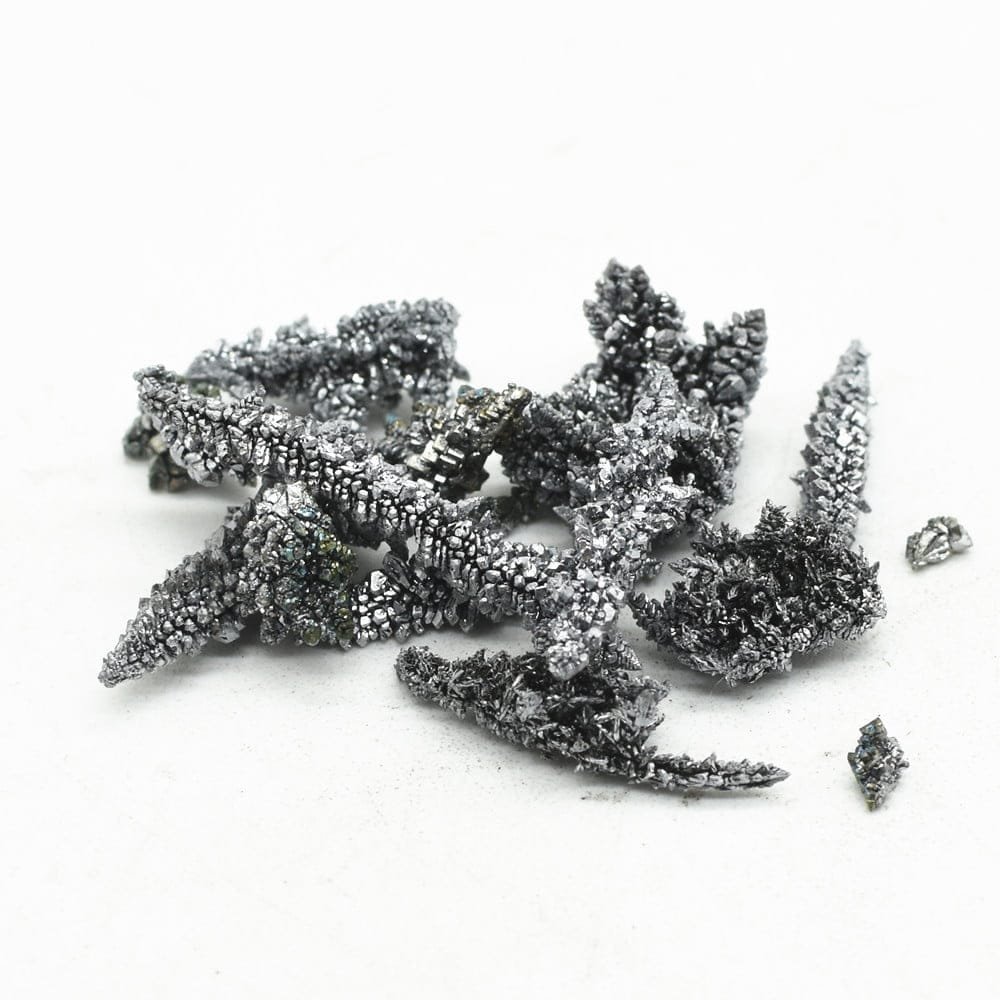
| Vanadium metal | Rod, wire, sheet/foil, granules, crystal branches or metal powder. | Specify V assay, interstitial impurities, condition and form. |
| Vanadium alloy sources | Existing target and evaporation pages include Ni/V, V/Al, V/Ti, V/Cr, V/W and other published alloy sources. | State the exact composition and wt.% / at.% basis; these are not a standalone structural-alloy grade or an invented new product page. |
| Oxides, nitrides and carbides | Existing powder and deposition pages cover oxides and nitrides; the carbide page covers VC. | VO₂, V₂O₃, V₂O₅, VN and VC are different materials. Do not carry metal density, ductility or purity into compound specifications. |
| Electrolytes and other requests | Define chemical species, oxidation state, concentration, application and documentation. | A generic family description is not evidence of battery-electrolyte, medical or other special qualification. |
For published vanadium-alloy source options, use Vanadium Sputtering Targets or Vanadium Evaporation Materials. For metal and oxide/nitride powder options, use Vanadium Powder Families.
A surface film at room temperature is not proof of protection in hot air. Specify temperature, exposure time, oxygen level, atmosphere and the permitted surface condition. Heating, welding and fabrication need process-specific oxidation and contamination control; a quoted oxidation-onset temperature is not a service limit.
Specify V assay and oxygen, nitrogen, carbon or hydrogen limits where required. State metal versus compound, annealed or worked condition, surface, dimensions and the test basis. Use the purchase-order standard appropriate to the actual grade and form; no standard is inherited from another metal family.
Alloy additions, chemical catalysts and redox-flow systems use different compositions and forms. State the steel or alloy addition requirement, catalyst chemistry or electrolyte species independently of bulk-metal properties. Aerospace or battery qualification requires specific acceptance evidence.
These are industrial-material routes, not supplement or therapeutic products. Do not treat metal, oxide dust and process fumes as equally harmless. Request the SDS for the actual material, particle size and operation; see NIOSH vanadium-fume information for substance-specific context.
The original elemental vanadium reference table is retained for initial comparison. Metal, alloy, oxide, carbide and nitride values differ; purity and material condition matter. Melting point is not an allowable service temperature and dense-metal density is not powder bulk density.
| Phase At STP | Solid | Electrical Resistivity | 197 nΩ⋅m (at 20 °C) |
| Melting Point | 2,183 K (1,910 °C/3,470°F) | Magnetic Ordering | Paramagnetic |
| Boiling Point | 3,680 K (3,407°C/6,165°F) | Young'S Modulus | 128 GPa |
| Density (Near R.T.) | 6.11 g/cm3 | Shear Modulus | 47 GPa |
| Appearance | Steel Blue | Bulk Modulus | 160 GPa |
| Heat Of Fusion | 21.5 kJ/mol | Poisson Ratio | 0.37 |
| Heat Of Vaporization | 444 kJ/mol | Mohs Hardness | 6.7 |
| Molar Heat Capacity | 24.89 J/(mol·K) | Vickers Hardness | 628–640 MPa |
| Thermal Expansion | 8.4 µm/(m⋅K) (at 25 °C) | Brinell Hardness | 600–742 MPa |
| Thermal Conductivity | 30.7 W/(m⋅K) | Cas Number | 7440-62-2 |
Elemental context: Royal Society of Chemistry — Vanadium.
Use the verified product directory for published routes. Additional named forms or chemistries require review against the drawing and specification; this overview is not a stock, qualification or delivery commitment.
Vanadium Metal
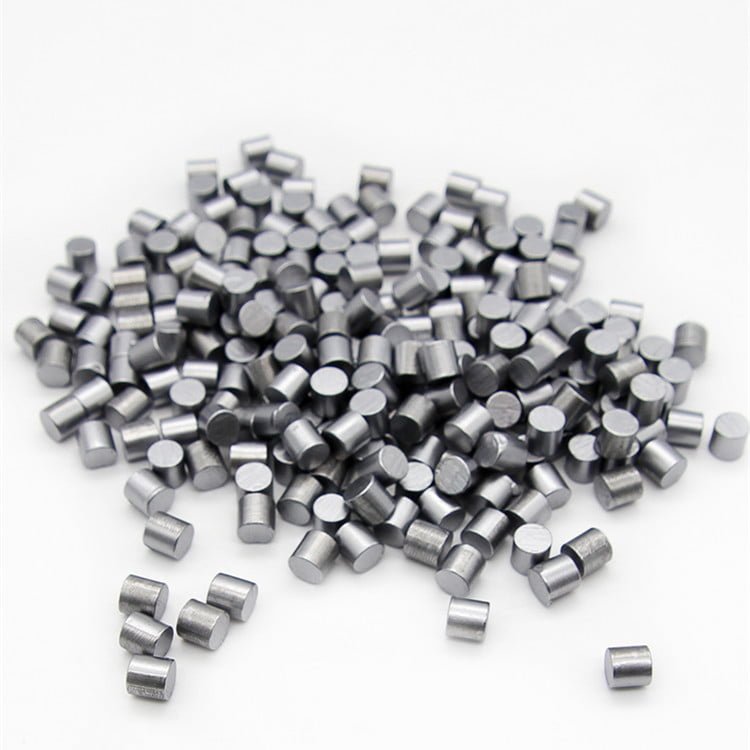
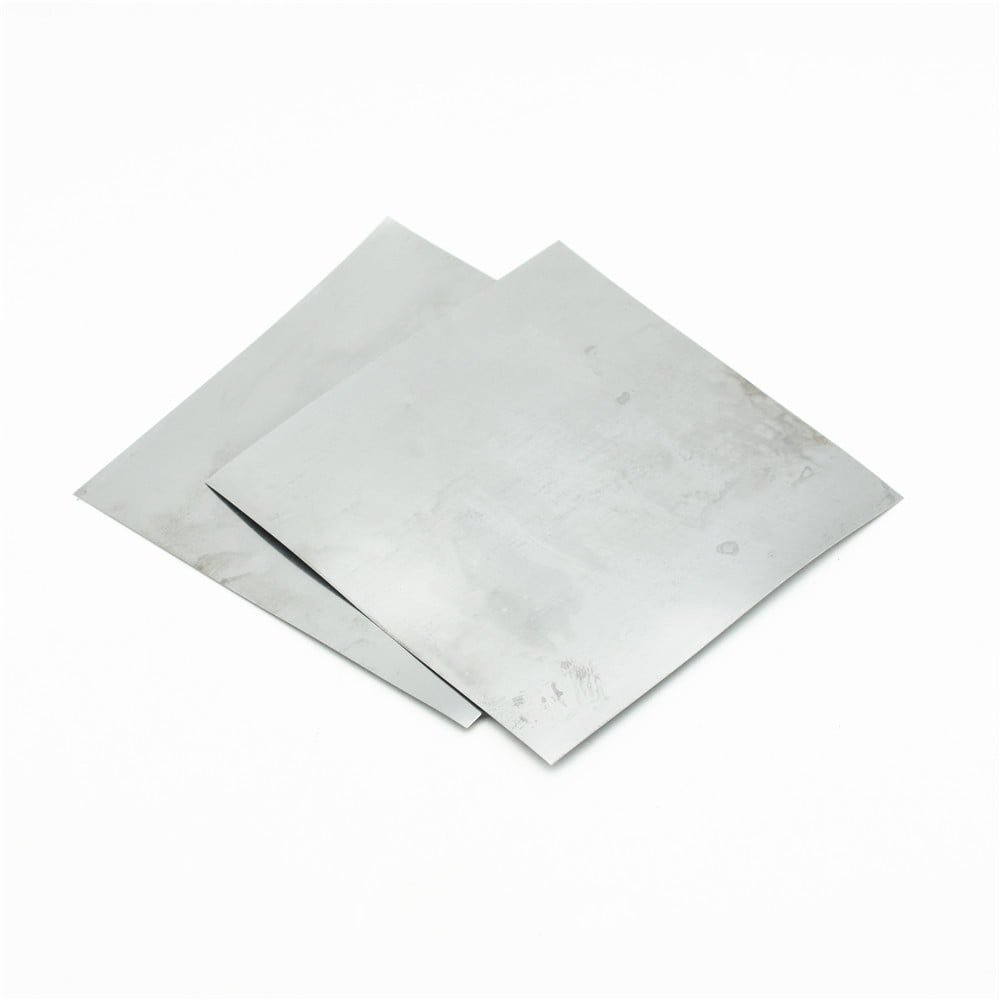
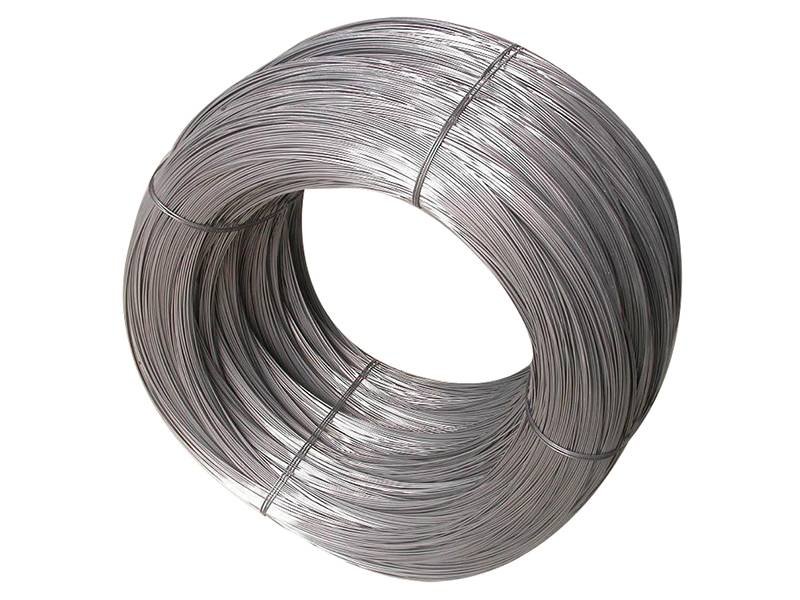
Published routes cover granules/crystal forms, rod, wire, sheet/foil and metal powders. Specify assay, interstitial limits, condition and dimensions.
Vanadium Alloy Sources
Published deposition routes include Ni/V, V/Al, V/Ti, V/Cr, V/W and Ti/Al/V sources. Define the exact composition and source form; these listings do not establish availability of alloy bar, flanges or tube.
Vanadium Compounds
Oxide and nitride powders, carbide powders, and compound deposition sources are covered by their existing product-family routes. Specify the chemical formula, oxidation state, particle size or source geometry, and assay basis.
Vanadium Evaporation Materials
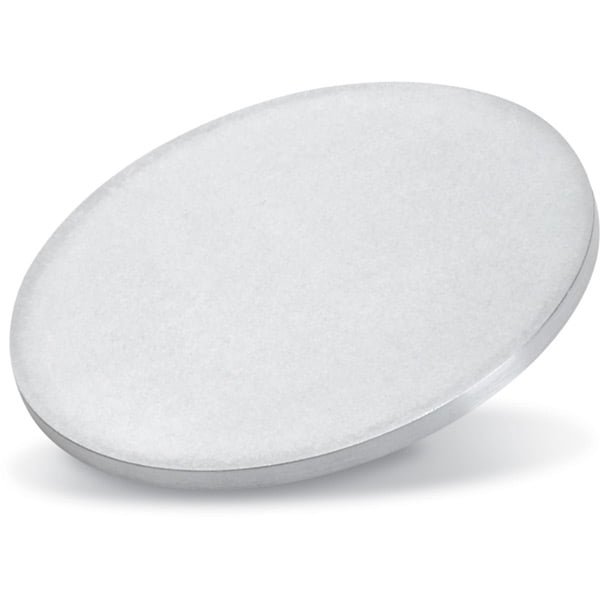
Choose elemental V, a named alloy source or a specified oxide/carbide/nitride source. Match composition, purity basis and source dimensions to the deposition process.
Technical background for selection. Confirm the actual material, product standard and purchase requirements for your order.
Technical background for selection. Confirm the actual material, product standard and purchase requirements for your order.
Technical background for selection. Confirm the actual material, product standard and purchase requirements for your order.
For your quotation: provide material and grade or composition, product form, dimensions or drawing revision, quantity, condition and surface, operating temperature/atmosphere, and required analysis, inspection or traceability documents.