
Menu

MOLYBDENUM · ROD · BAR · MACHINED STOCK
Specify pure molybdenum rod or a separately defined TZM alloy for your component. Review the published size envelope, surface condition and drawing requirements for standard stock or a machined geometry.
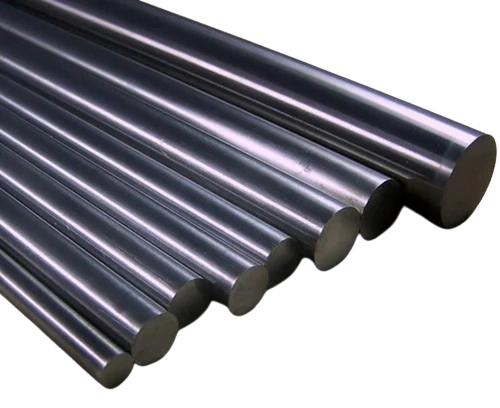
| Parameter | Published option / requirement |
|---|---|
| Pure-Mo option: | published purity ≥99.95%. |
| TZM option: | specify alloy chemistry and condition separately. |
| Published density span: | 9.8–10.2 g/cm³; confirm the selected material state. |
| Published round-stock envelope: | Ø1–800 mm × length 10–3,000 mm. |
| Surface options: | chemically cleaned, black or ground. |
Confirm the feasible diameter/length combination, tolerances and available condition.
The catalogue envelope is for enquiry and does not establish stock availability, a universal manufacturing route or every possible size combination. Send the actual dimensions and quantity for review.
Specify round-stock diameter and length, straightness, surface, material condition and machining allowance. For another bar geometry, provide its section dimensions and drawing.
Provide thread details, datums, finished dimensions, tolerances, surface requirements and quantity. Drawing review establishes the proposed supply and inspection scope.
Include OD, bore diameter, length, concentricity, end details and bore-finish requirements. Feasibility depends on the requested geometry and material condition.
Pure molybdenum and TZM are different material specifications. A pure-Mo purity value must not be used as the alloy definition for TZM. State the grade, chemical limits, material condition and required documents.
ASTM B387/B387M covers molybdenum and molybdenum alloy bar, rod and wire. Specify the ordered edition, grade, condition and acceptance requirements. A finished threaded, drilled or machined part also requires a drawing and agreed inspection scope.
Molybdenum rod can involve powder metallurgy followed by working operations such as swaging or drawing. A general process description does not establish the route for every diameter. Confirm route, condition, grain direction and machining allowance where they affect acceptance.
For heating, structural, vacuum-device or electrode applications, specify temperature, dwell, atmosphere, support and loading. High melting point does not define the allowable component temperature, oxidation resistance or service life.
For vacuum-device, light-source or electrical components, include cleanliness, dimensional stability, electrical requirements and the intended material condition.
For furnace supports, heating components or electrodes, include load, mounting, atmosphere, peak temperature and the thermal cycle.
Rods and bars are identified and protectively packed for storage and transport. Confirm packing quantity, surface protection, handling and documentation requirements for the selected geometry.
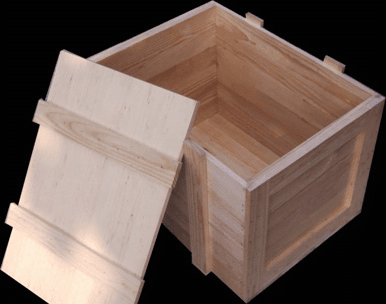
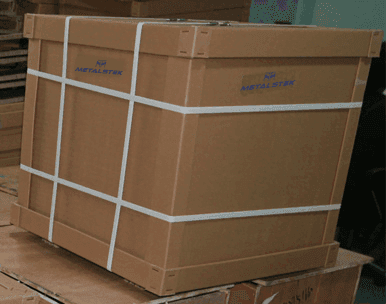
Send the complete drawing, material grade and condition, dimensions, tolerances and quantity. Threaded, drilled and other machined configurations require a geometry-specific review.
No. The published diameter and length ranges describe an enquiry envelope. Confirm the actual combination, condition and supply requirements during quotation.
Specify the material against your component requirements. Include load, temperature, atmosphere and material condition. TZM chemistry and acceptance criteria must be defined separately from pure-Mo purity.
Provide material, grade, dimensions, tolerances, quantity, surface, condition, drawing revision, inspection requirements and delivery destination.
Compare molybdenum grade and alloy terminology before specifying the material, product form, and condition for a quotation.
See where refractory-metal crucibles, supports, rods, and other machined parts fit within vacuum-furnace and crystal-growth assemblies.
Send the material grade, dimensions, surface, condition, quantity and drawing. Add machining, inspection and operating requirements where relevant.