Menu
Home / Refractory Metals / Rhenium
Choose rhenium rod, wire, sheet and foil, deposition materials, powder or a listed rhenium alloy for your project.
Start with the product form, then send the composition, dimensions, quantity and drawing for a specification review.
Start with a product form. Pure rhenium, rhenium alloys and rhenium compounds require different composition and acceptance specifications.
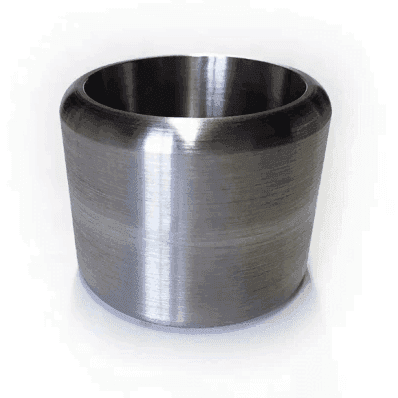
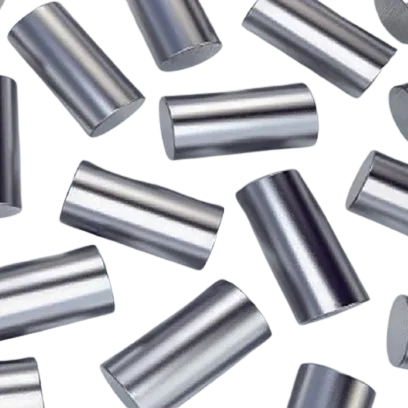
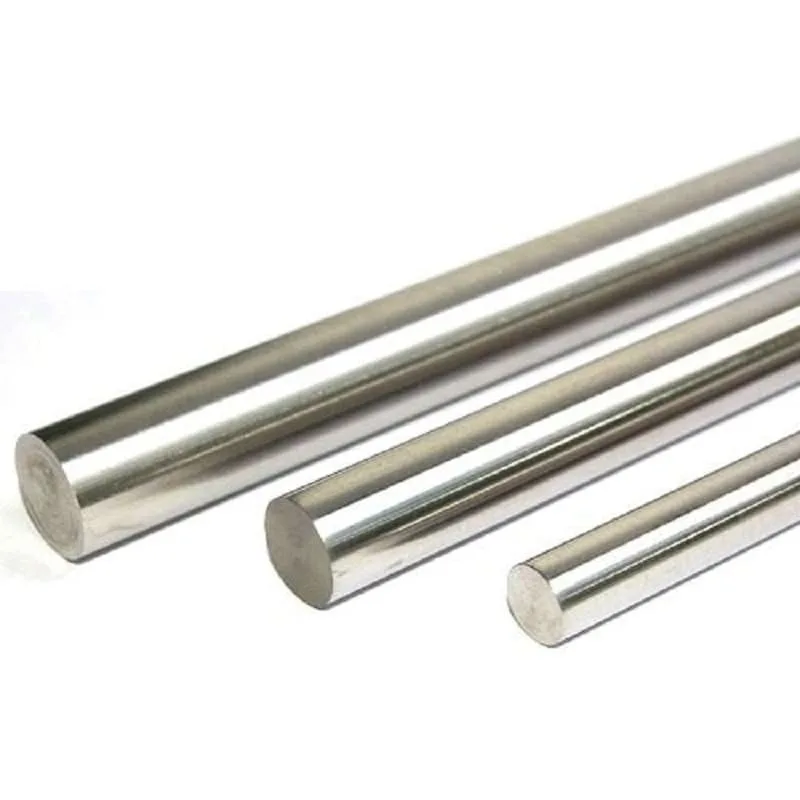
Specify diameter, length, condition and acceptance requirements.
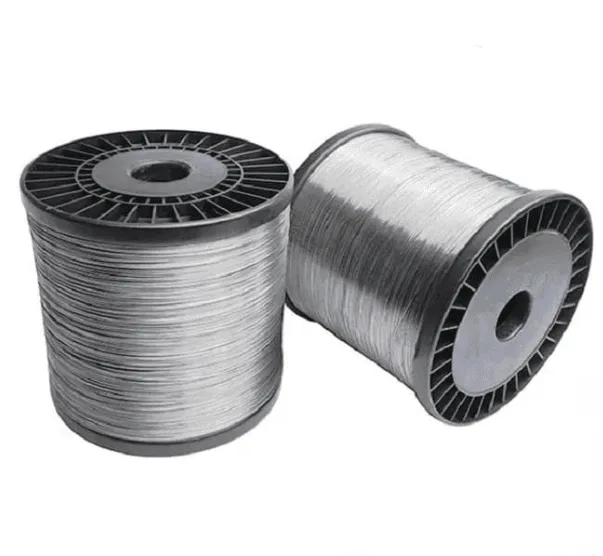
State diameter, spool or cut length, and filament geometry.
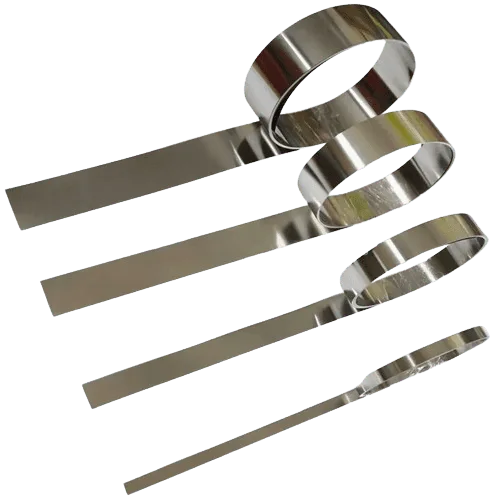
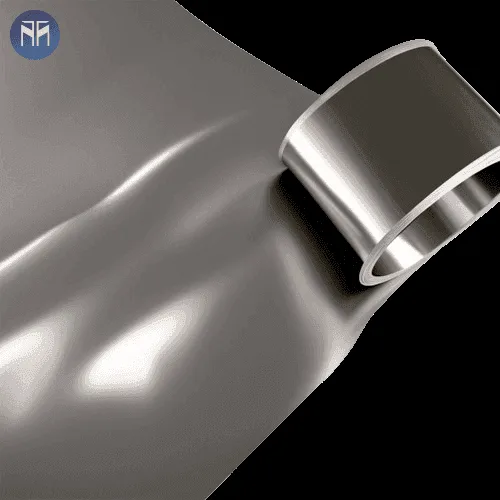
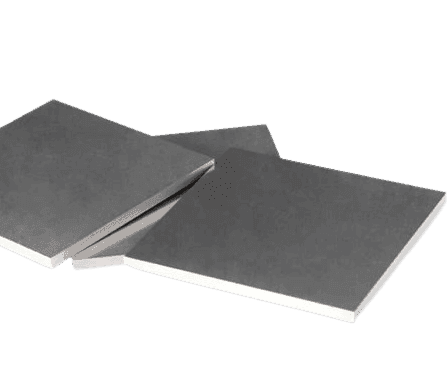
Provide thickness, width, length and the required tolerances.
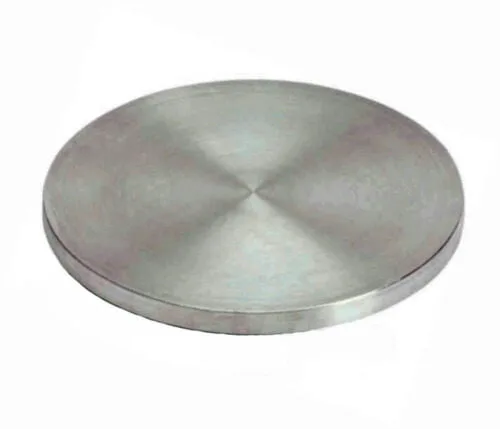
Specify composition, target dimensions and backing or bonding requirements.
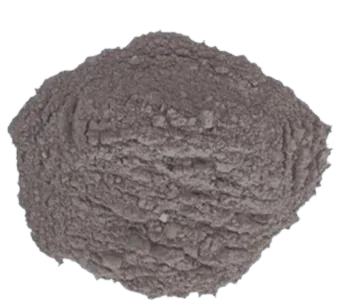
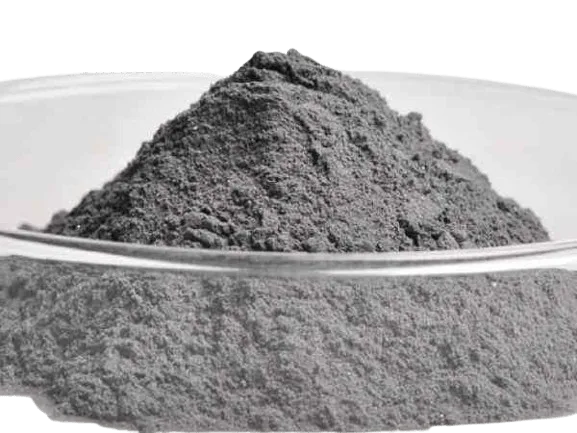
State chemistry, particle-size distribution, morphology and quantity.
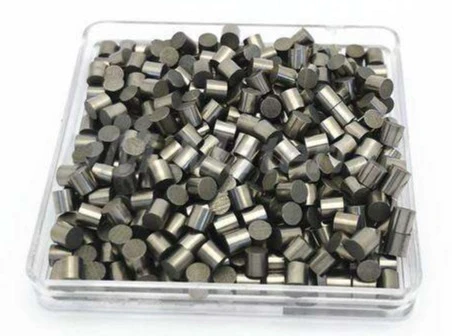
Review pellets, granules and pieces for your deposition source.
All existing rhenium product routes are listed here, together with the related Mo–Re and W–Re alloy pages. Product-specific dimensions and purity information remain on each product page.
Rhenium displays a silvery-white hue and ranks third in melting points, following carbon and tungsten. Rhenium powder can be consolidated by pressing and sintering under suitable process conditions. The achieved density depends on the process and should be specified in g/cm³ or as a percentage of theoretical density for the requested product. Moreover, Rhenium plays a vital role in constructing numerous jet engines and finds application in filaments used within spectrographs.
Specify elemental Re purity and the impurity basis for pure metal. For Mo–Re and W–Re, specify alloy composition separately from total material purity. Use the selected product specification and requested certificate requirements.
Distinguish solid-material reference density, measured consolidated-product density and loose-powder apparent or tap density. Specify the measurement basis and product condition; do not use a powder packing density as a solid-part density.
Use the existing foil, sheet or plate specification for the selected form; confirm thickness, tolerances and drawing revision. Melting point is not a continuous-service rating. State atmosphere, thermal cycle, load and contamination limits for review.
Drawing-based requests: send the rhenium composition, geometry, quantity and operating conditions for review. This is a project inquiry, not a new standalone product listing. Send a rhenium drawing →
The existing material families below provide context. Confirm the specific form, composition and order requirements through the linked product page or RFQ; these are not stock or lead-time commitments.
Rhenium Metal
Rhenium Powder, Rhenium Wire, Rhenium Sheet, Rhenium Pellet, Rhenium Rod, Spherical Rhenium Powder.
Confirm composition, purity basis and batch documentation for the selected product.
Rhenium Alloys
W-Re Wire, Re-Mo Wire/Rod, Molybdenum Rhenium Alloy Wire/Foil/Rod, Tungsten Rhenium (W-Re) Alloy Electrode, Spherical Tungsten-Rhenium Alloy Powder, Spherical Molybdenum Rhenium Alloy Powder.
Confirm composition, purity basis and batch documentation for the selected product.
Rhenium Compounds & Catalysts
Rhenium Oxides, Ammonium Perrhenate, Methyltrioxorhenium(VII), Rhenium Diboride (ReB2) Powder, Rhenium (III) Chloride (ReCl3) Powder, Rhenium Silicide (ReSi2) Powder.
Confirm composition, purity basis and batch documentation for the selected product.
Rhenium Evaporation Materials
Rhenium (Re) Evaporation Materials
Confirm composition, purity basis and batch documentation for the selected product.
Other Rhenium Products
Rhenium Selenide (ReSe2) Crystal, Rhenium Disulfide (ReS2) Crystal
| Phase At STP | Solid | Electrical Resistivity | 193 nΩ⋅m (20°C) |
| Melting Point | 3,459K (3,186°C/5,767°F) | Magnetic Ordering | Paramagnetic |
| Appearance | Silvery Grey Metallic | Young'S Modulus | 463 GPa |
| Density (Near R.T.) | 21.02 g/cm3 | Shear Modulus | 178 GPa |
| Heat Of Fusion | 60.43 kJ/mol | Poisson Ratio | 0.3 |
| Heat Of Vaporization | 704 kJ/mol | Mohs Hardness | 7 |
| Molar Heat Capacity | 25.48 J/(mol·K) | Vickers Hardness | 1,350–7,850 MPa |
| Thermal Expansion | 6.2 µm/(m⋅K) | Brinell Hardness | 1,320–2,500 MPa |
| Thermal Conductivity | 48.0 W/(m⋅K) | Cas Number | 7440-15-5 |
The existing property table is a material reference, not a finished-product guarantee. The legacy tensile-strength entry used inconsistent paired units and is not reproduced here; request condition-specific tensile data with the test method. The associated bulk-modulus reference is retained: 370 GPa. The density entry and its existing basis have not been changed.
Rhenium has distinct roles as a pure metal, an alloy addition and a chemical compound. Select the form and composition for the actual process.
Material-use context: Royal Society of Chemistry — Rhenium. Specialist radioisotope applications are outside the scope of ordinary metal-product supply.
Existing Knowledge Base articles provide further context. Follow their linked product routes for specifications and use this hub to compare the wider rhenium family.
Background on rod and bar applications. Confirm dimensions and acceptance data on the product page.
Technical context for evaporation leftovers and material recovery; not a recycling-service commitment.
Compare refractory-metal families. Use form-specific data and operating conditions for component selection.
For a useful rhenium quotation: provide the product form, composition or purity basis, dimensions or drawing, quantity, operating conditions and required documentation. Form-specific selections above prefill the Product / Material field.