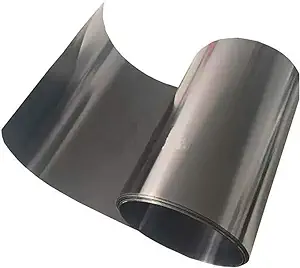
Tantalum foil, sheet, and plate are specified by the required thickness, dimensions, grade, surface condition, and fabrication route. There is no universal thickness cutoff between these forms; send a drawing or the required tolerance when requesting a quote.
Which form should you specify?
Choose the form that matches how the material will be handled and fabricated. Foil is useful where a thin, conformable piece is needed. Sheet suits cut, formed, or fabricated parts. Plate provides thicker stock for machining or structural fabrication. The supplier’s terminology can vary, so the drawing thickness and tolerance matter more than the label alone.
| Form | Typical purchasing question | Information to send |
|---|---|---|
| Foil | Can the part be cut and handled without wrinkling or surface damage? | Thickness, cut dimensions, flatness, surface and packaging requirements |
| Sheet | Will the material be formed, welded or cut into a finished component? | Grade, thickness, size, tolerances, process and drawing |
| Plate | What stock allowance is needed for machining or fabrication? | Grade, thickness, overall size, machining allowance and quantity |
For current product options, see Tantalum Sheet, Foil & Ribbon and Tantalum Plate & Bar.
Confirm the material requirement
A request for “pure tantalum” is not a complete purchasing specification. State the grade or chemistry requirement, applicable standard and revision if required, and whether a material certificate or impurity report is needed. The acceptable surface condition, edge quality and form should also be agreed before production. If a process needs a specific purity, put the numerical requirement and test method on the inquiry or drawing rather than relying on a general marketing description.
Define dimensions and fabrication details
Thickness, length, width and allowable variation influence both manufacturability and the quoted route. For cut shapes, send a drawing showing holes, radii, bends, welds and datum surfaces. State whether the dimensions apply to raw stock or the finished part. Where the surface will contact a sample or enter a vacuum system, describe cleanliness, scratches and handling requirements in practical terms.
Check the operating environment
Tantalum is often selected for corrosion resistance, fabricability and high melting point, but these properties do not establish suitability for every process. The buyer should identify temperature, atmosphere, chemical exposure, contact material and operating duration. At elevated temperatures, oxygen exposure and contamination control deserve particular attention. Ask for an engineering review when the part is welded, formed to a tight geometry, or used in a contamination-sensitive process.
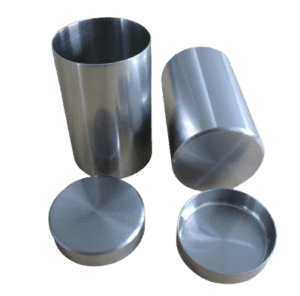
A real example of drawing-based fabrication is MetalsTek’s 100-piece thin-wall tantalum crucible case study. It illustrates why drawing control, welding, inspection and protective packaging must be considered together. The project data in that case study applies to that order; it is not a standard specification for all tantalum sheet or plate.
What to include in a quote request
- Product form and intended application
- Grade, purity or impurity limits, and any required standard
- Thickness and cut dimensions with tolerances
- Drawing, finishing, cleanliness and packaging requirements
- Quantity, destination and required documentation
Send these details with the drawing through the relevant sheet and foil or plate and bar product page. MetalsTek can review the required form and manufacturing route against the actual order specification.
Frequently asked questions
Is there a fixed thickness at which tantalum foil becomes sheet?
No single thickness boundary applies to every supplier and application. Specify the numerical thickness, tolerance and required form in the purchase inquiry.
Can I request cut or fabricated tantalum parts?
Yes. The product pages list custom dimensions and drawing-based supply. Send the drawing and quantity so manufacturability, finishing and documentation can be reviewed.
What documentation should I request?
Request the material certificate, chemistry or dimensional inspection records required by your purchase order. Confirm availability for the specific grade and production batch before ordering.