
Learn how sputtering targets work and what to specify when selecting target material, purity, geometry, backing and bonding for thin-film deposition.
Menu
Learn how sputtering targets work and what to specify when selecting target material, purity, geometry, backing and bonding for thin-film deposition.

MetalsTek completed and shipped three Lu-based multicomponent oxide target formulations. This case compares their nominal compositions and explains the manufacturing considerations behind a custom research order.
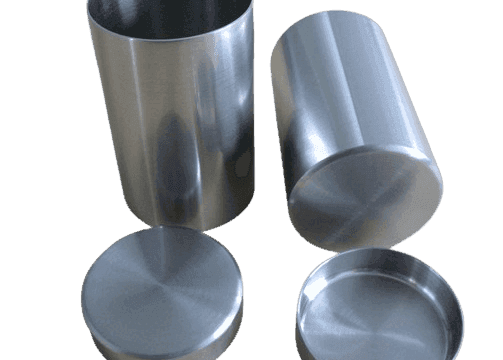
Compare Nickel 200 and low-carbon Nickel 201 for custom crucibles. Learn what temperature, atmosphere, lid and drawing details to include in an RFQ.
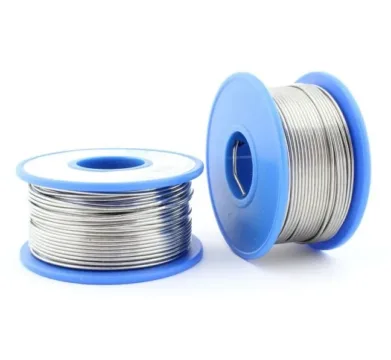
A practical tantalum wire RFQ checklist covering grade, diameter, condition, documentation and related material forms.
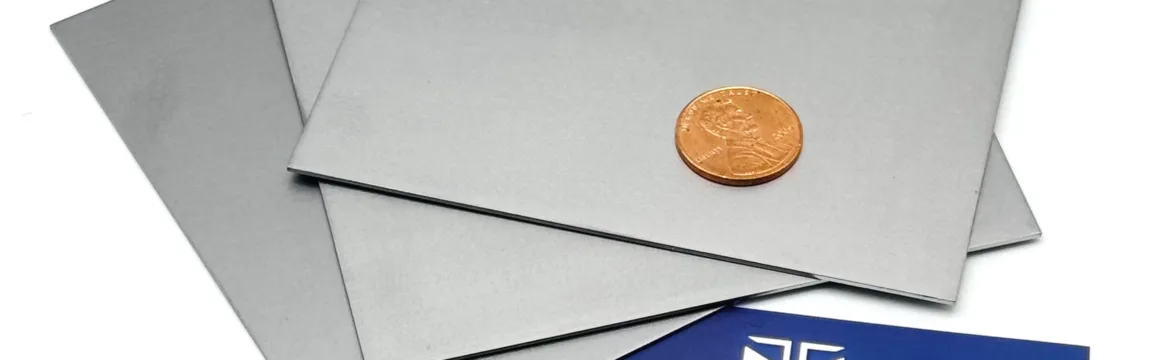
A practical guide to choosing tantalum foil, sheet, or plate for engineering procurement, including grade, dimensions, surface details, documentation, and RFQ information.
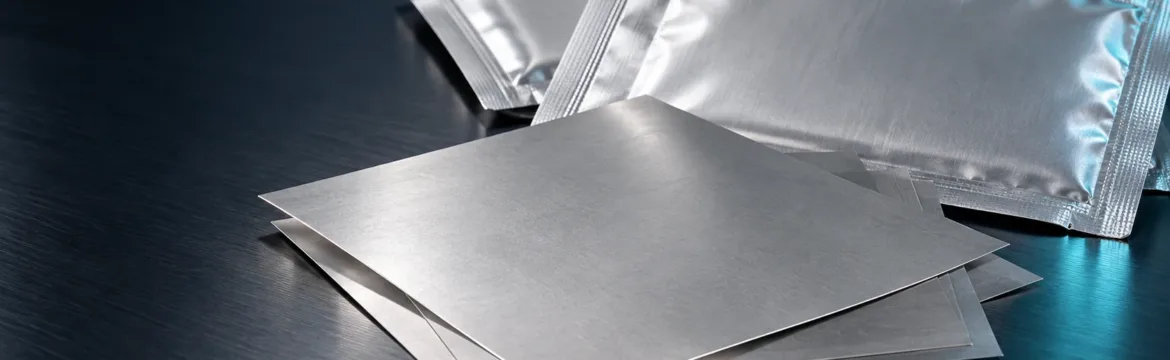
MetalsTek delivered 6,000 custom 0.05 mm indium sheets to Spain, combining dedicated tooling, batch quality control, individual packaging, and early export preparation.

A practical guide for overseas buyers sourcing advanced materials from China, including early screening, technical information, end-user documents and realistic delivery planning.

Introduction In thin-film deposition, choosing the correct sputtering target is critical for achieving the desired electrical, optical, and structural properties of deposited films. Among conductive oxide materials, antimony-containing tin materials are widely studied for applications requiring transparent conductivity, surface modification, and functional thin films. However, engineers and buyers often encounter two similar terms: Although both […]
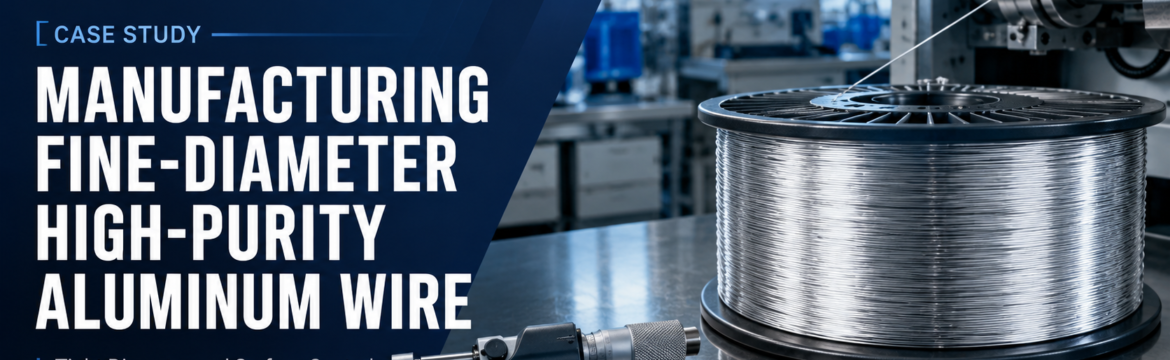
Fine aluminum wire looks like a relatively simple product, but manufacturing it consistently becomes increasingly difficult as the diameter decreases. For research, electronics, semiconductor packaging, laboratory assemblies, electrical components, and precision manufacturing, customers may require not only a specific nominal diameter but also controlled roundness, smooth surface condition, suitable ductility, stable winding, and clean packaging. […]
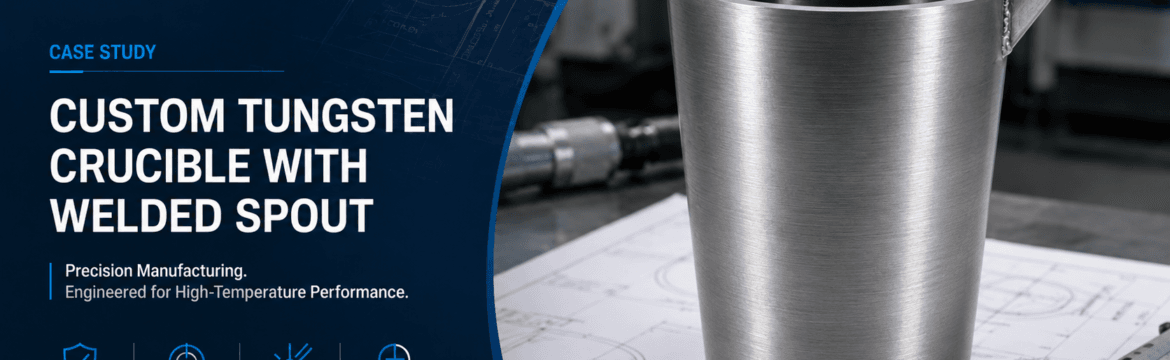
Jump to:Introduction1. Project Overview2. Product Specifications3. Manufacturing Challenges4. Manufacturing & Inspection5. Reported Result6. Buyer RFQ Checklist7. Material Selection8. FAQ Introduction Tungsten crucibles are selected for processes in which ordinary metals cannot maintain dimensional or chemical stability at high temperature. Yet manufacturing difficulty depends as much on geometry as on material. In this project, MetalsTek received […]

Table of Contents Project Background A CNRS-affiliated French earth sciences research laboratory required 100 custom thin-wall tantalum crucibles for laboratory high-temperature experiments and materials research. The laboratory needed each crucible to be manufactured from high-purity tantalum according to a common engineering drawing. The specified geometry included a nominal outer diameter of 33 mm, an inner […]

Introduction: Why Particle Size Matters in Silver Materials Silver is widely recognized as one of the most important functional metals due to its outstanding electrical conductivity, thermal conductivity, chemical stability, and optical properties. From electronic components and conductive pastes to advanced materials research and printed electronics, silver-based materials continue to play an essential role in […]
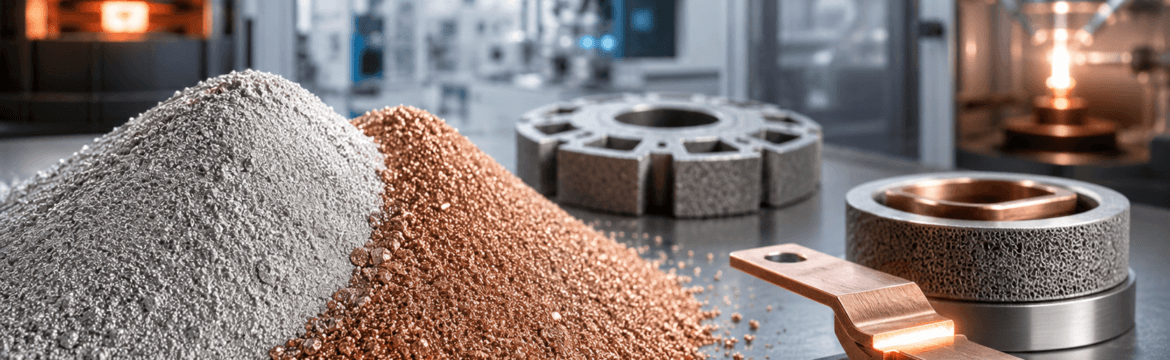
Silver copper alloy powder occupies a specialized position among conductive metal powders. It combines two highly conductive metals, but its engineering value is not simply the sum of silver and copper. The real advantage lies in the ability to control composition, phase distribution, particle structure, sintering behavior, mechanical strength, thermal stability, and final electrical performance […]

A purchasing guide to indium powder purity, particle-size distribution, morphology, oxidation control, packaging, and the information needed for an RFQ.
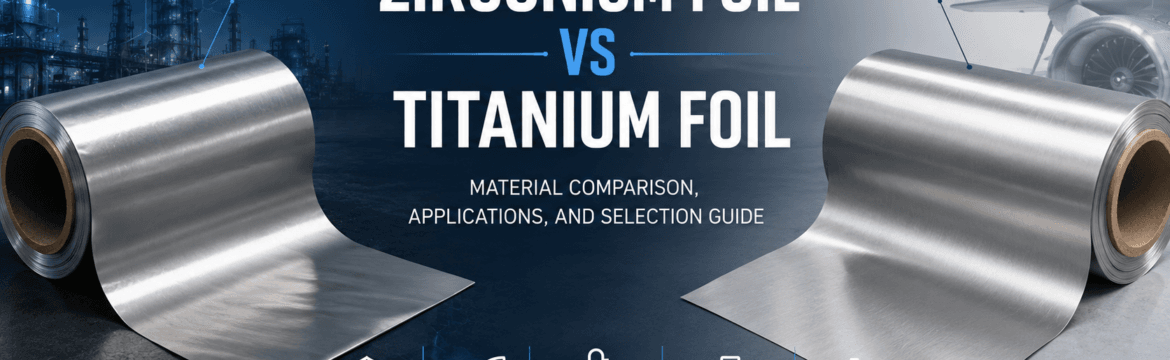
Zirconium foil and titanium foil are both corrosion-resistant reactive-metal products used in demanding industrial, scientific, and high-temperature applications. At first glance, they may appear similar: both develop protective oxide films, offer good chemical stability, and can be supplied as thin sheets, strips, or precision-cut components. However, zirconium and titanium are not interchangeable. Titanium foil is […]