
A practical engineering and procurement guide to selecting evaporation materials for thermal and electron-beam thin-film deposition, covering purity, source form, crucible compatibility, packaging, RFQ details, and troubleshooting.
Menu
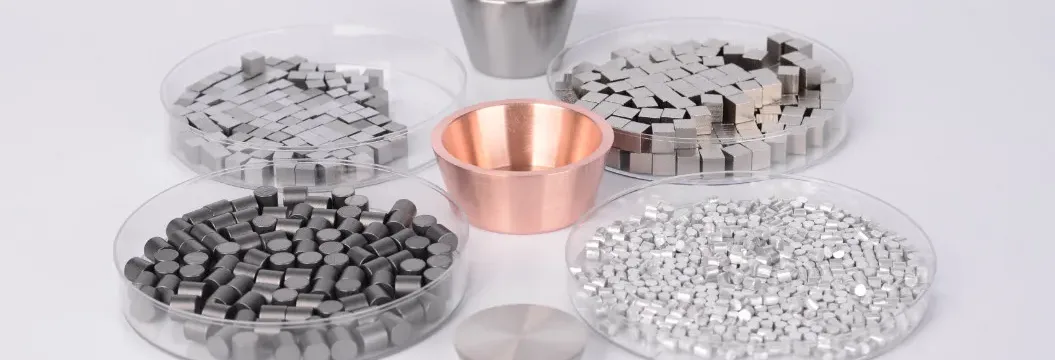
A practical engineering and procurement guide to selecting evaporation materials for thermal and electron-beam thin-film deposition, covering purity, source form, crucible compatibility, packaging, RFQ details, and troubleshooting.

Details: Material: Molybdenum, Mo-1, Mo-2 or TZM Alloy Purity: 99.95% Min Standard: ASTM B386 Size Range: OD0.5mm / 0.02″ Min. * Wall Thick 0.1mm / 0.012″ Min. * Tailored Length Surface: Polished(Ra<3.2), Chemical Cleaned Brand: MetalsTek Other: Sintered to be Unibody, No Bonding Applications: – Used as thermowell – Used in metal, quartz, and glass melting […]

Aerospace manufacturing stands at the forefront of high-tech industries, embodying advanced manufacturing techniques that push the boundaries of material science and engineering. The development of cutting-edge aircraft engines, such as the F119 from Pratt & Whitney, the F120 from General Electric, and the M88-2 from SNECMA, exemplifies this trend. These engines are characterized by their […]
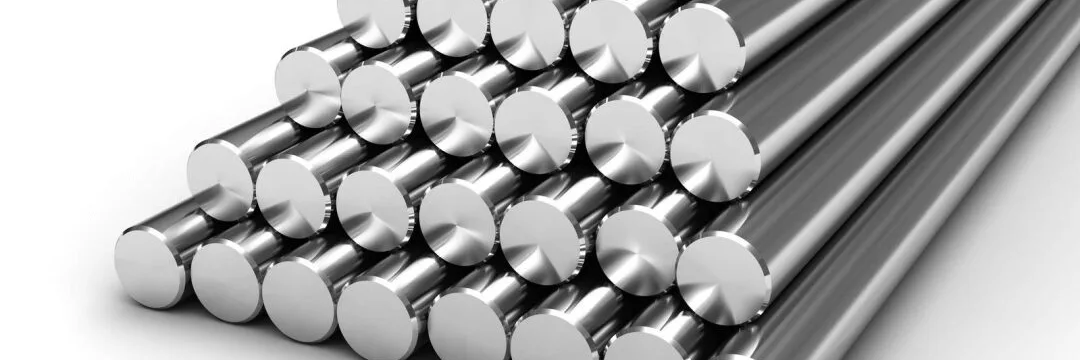
Are you curious about the properties and uses of nickel chromium cobalt alloy and chromium cobalt nickel alloy? Look no further – this ultimate guide will provide you with all the essential information you need to understand these alloys. Nickel chromium cobalt alloy, also known as Nichrome, is a versatile alloy commonly used in electrical […]

Introduction to Tungsten Heavy Alloys Tungsten Heavy Alloys (THA) represent a class of high-density materials composed primarily of tungsten, which is notable for its exceptional density, mechanical strength, and high melting point. These alloys typically contain a mixture of tungsten with varying amounts of other elements such as nickel, iron, cobalt and copper, leading to […]
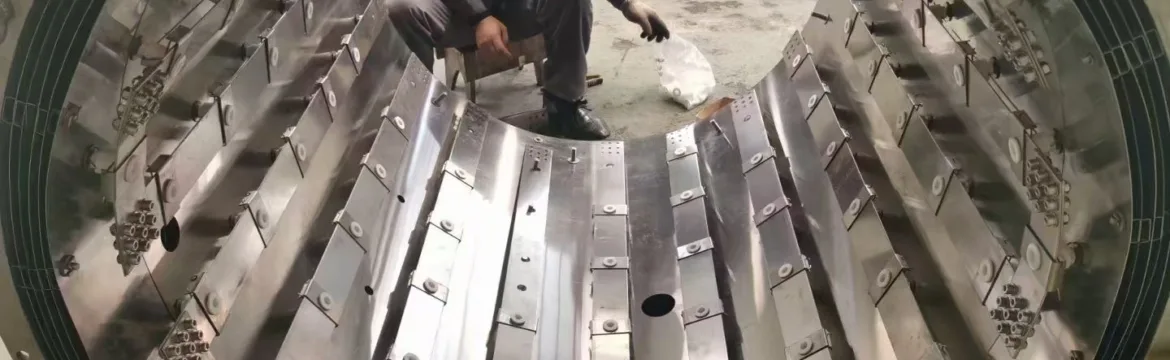
Introduction to Vacuum Furnaces Vacuum furnaces are specialized thermal processing equipment in various industrial applications, particularly metallurgy and materials engineering. Their primary function is to provide a controlled environment for the manufacturing and treating high-performance materials. This is accomplished by creating a vacuum atmosphere that eliminates unwanted reactions between the processed materials and the surrounding […]