
How to read particle size percentiles, compare sieve and laser diffraction results, and specify sampling, test methods and acceptance records for metal powders.
Menu
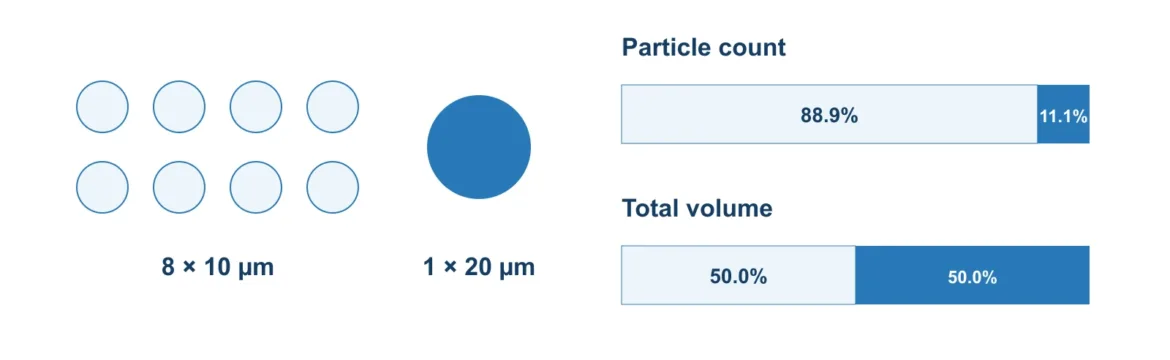
How to read particle size percentiles, compare sieve and laser diffraction results, and specify sampling, test methods and acceptance records for metal powders.
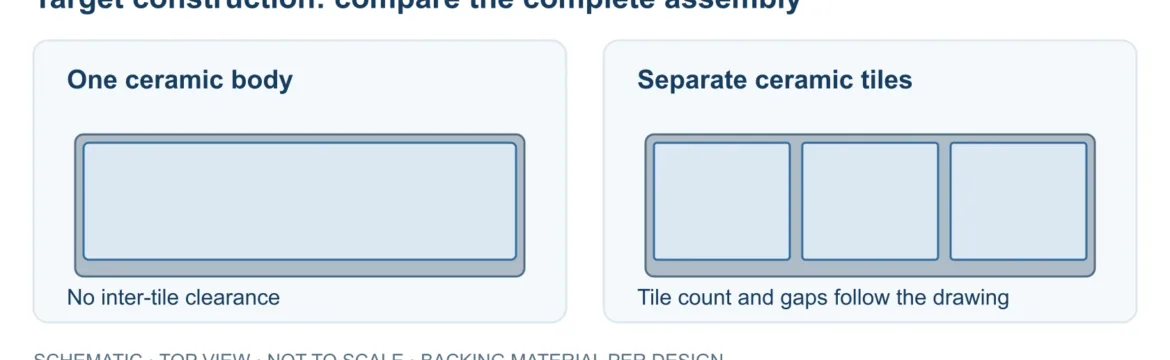
Compare single-piece and segmented ceramic sputtering targets, straight and beveled joints, backing plate interfaces and bonding requirements before preparing a drawing-based RFQ.

A practical guide to specifying molybdenum sheet and foil, including delivery condition, rolling direction, forming review and acceptance documentation.

A practical guide to specifying sputtering target chemistry: elemental wt% and at%, worked Ti-Al conversions, oxide reporting bases, and RFQ details.
Learn how sputtering targets work and what to specify when selecting target material, purity, geometry, backing and bonding for thin-film deposition.
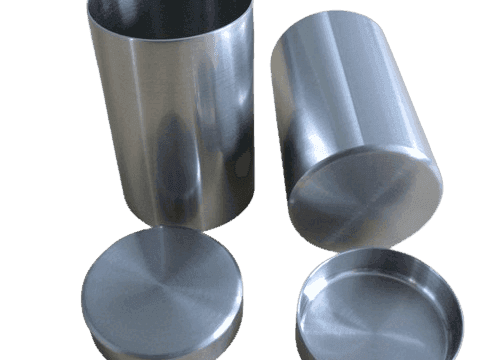
Compare Nickel 200 and low-carbon Nickel 201 for custom crucibles. Learn what temperature, atmosphere, lid and drawing details to include in an RFQ.
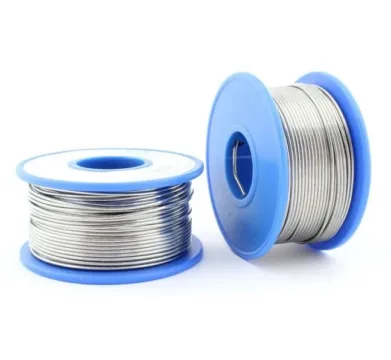
A practical tantalum wire RFQ checklist covering grade, diameter, condition, documentation and related material forms.
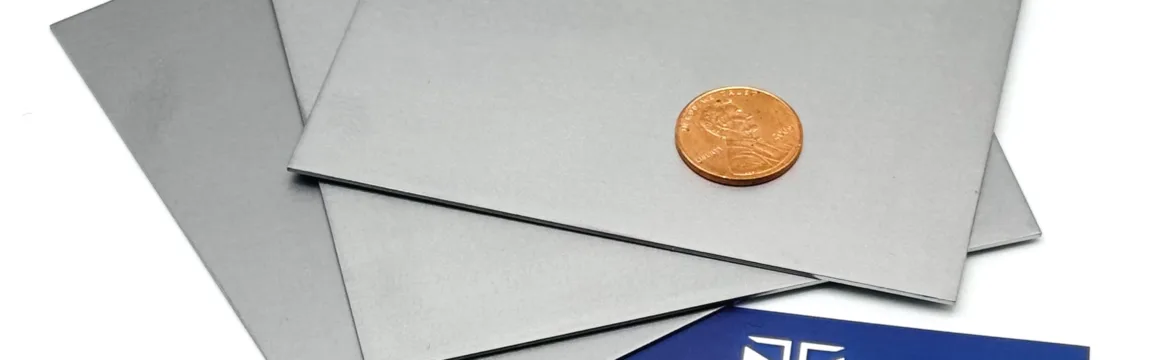
A practical guide to choosing tantalum foil, sheet, or plate for engineering procurement, including grade, dimensions, surface details, documentation, and RFQ information.

A practical guide for overseas buyers sourcing advanced materials from China, including early screening, technical information, end-user documents and realistic delivery planning.

Introduction In thin-film deposition, choosing the correct sputtering target is critical for achieving the desired electrical, optical, and structural properties of deposited films. Among conductive oxide materials, antimony-containing tin materials are widely studied for applications requiring transparent conductivity, surface modification, and functional thin films. However, engineers and buyers often encounter two similar terms: Although both […]
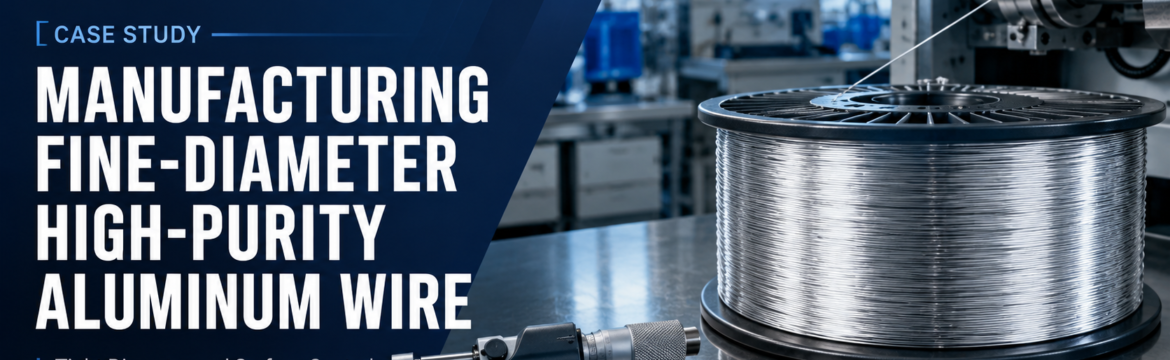
Fine aluminum wire looks like a relatively simple product, but manufacturing it consistently becomes increasingly difficult as the diameter decreases. For research, electronics, semiconductor packaging, laboratory assemblies, electrical components, and precision manufacturing, customers may require not only a specific nominal diameter but also controlled roundness, smooth surface condition, suitable ductility, stable winding, and clean packaging. […]

Introduction: Why Particle Size Matters in Silver Materials Silver is widely recognized as one of the most important functional metals due to its outstanding electrical conductivity, thermal conductivity, chemical stability, and optical properties. From electronic components and conductive pastes to advanced materials research and printed electronics, silver-based materials continue to play an essential role in […]

A purchasing guide to indium powder purity, particle-size distribution, morphology, oxidation control, packaging, and the information needed for an RFQ.

In the realms of semiconductor manufacturing, aerospace propulsion, and advanced crystal growth, engineers constantly battle three industrial enemies: extreme temperatures, severe chemical corrosion, and mechanical degradation. When standard superalloys and traditional refractory metals like tungsten or molybdenum reach their physical limits, only one material can withstand the crucible: Iridium. As a premier global manufacturer of […]

As hydrogen energy, fuel cells, hydrogen storage, and hydrogen-related safety systems continue to develop, reliable hydrogen detection has become increasingly important. Hydrogen is colorless, odorless, highly diffusive, and difficult to identify without suitable detection equipment. For laboratories, pilot plants, fuel-cell systems, and industrial hydrogen processes, early detection supports both safety and process control. Among the […]