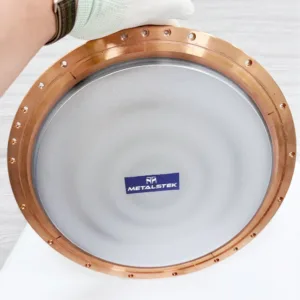
MetalsTek supplied a custom, single-piece niobium sputtering target with a specified diameter of 13.5580 inches and a thickness of 0.1250 inches for a semiconductor manufacturer. The project combined a large, thin Nb disc with a copper Endura target backing plate. At this size, the target drawing and backing interface need to be reviewed together.
The target was specified as 99.99% niobium. This case study describes the confirmed configuration and the manufacturing considerations relevant to similar enquiries. Numerical inspection results and the bond formulation are not disclosed. Engineers comparing custom niobium sputtering targets should therefore treat the dimensions below as project specifications, not as a general acceptance standard for every assembly.
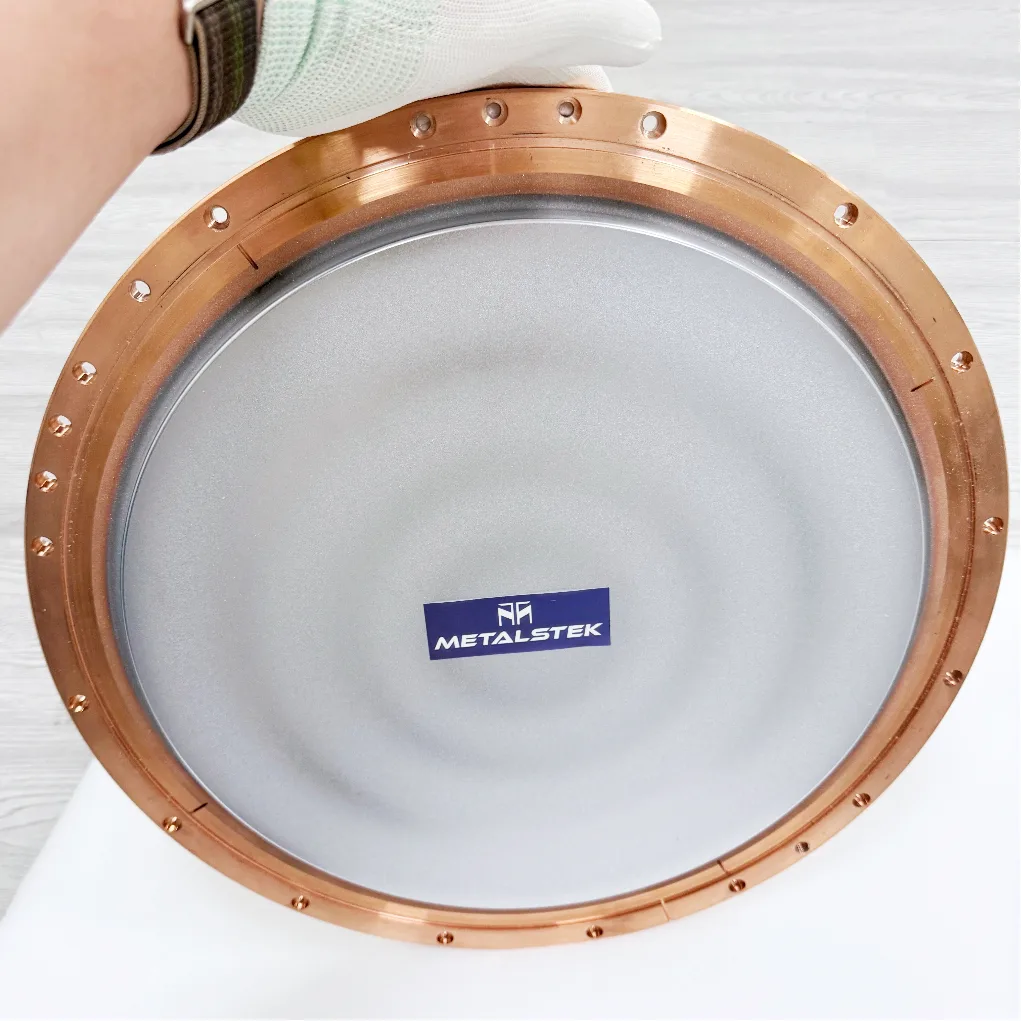
Project overview: a 13.558-inch niobium target
The nominal description “13.6-inch” provides a convenient size reference. The drawing and purchase specification need the exact value: 13.5580 inches, equivalent to approximately 344.37 mm. The specified Nb thickness of 0.1250 inches converts to 3.175 mm. That thickness refers to the target material, not the complete target-and-backing assembly.
| Project item | Confirmed specification |
|---|---|
| Target material | Niobium metal (Nb) |
| Purity requirement | 99.99% (4N) |
| Target diameter | 13.5580 in; approximately 344.37 mm |
| Target thickness | 0.1250 in; 3.175 mm |
| Construction | Single-piece Nb target with copper backing plate |
| Backing plate identification | Endura Target Backing Plate |
The backing plate identification must be checked against the applicable equipment drawing. A platform name alone does not establish compatibility with every chamber, cathode or hardware revision. The project included a backing plate drawing; its interface details belong in the manufacturing review.
Why the diameter and thickness must be considered together
A wide, thin target requires care during machining, measurement and handling. Workholding can temporarily change the shape of a thin part, so an inspection plan should distinguish its supported condition from its free condition. Lifting and packaging arrangements also need to support the disc without concentrating load at an edge.
Niobium brings its own machining considerations. ATI describes it as a ductile material that can gall, tear and adhere to cutting tools. Tool geometry and cutting conditions therefore deserve attention when defining a machining plan. These are general characteristics of niobium; they do not identify the tooling or process sequence used for this project. See ATI’s niobium machining and forming guidance.
For a buyer, “precision machined” needs a drawing behind it. Diameter tolerance, thickness variation and flatness are separate requirements. A target may satisfy a diameter check while leaving unanswered questions about its surface profile or the assembled stack height. Those requirements should be agreed before production.
Defining the target-to-backing interface
The mating face of the Nb target has a different function from the exposed sputtering face. Its preparation must suit the selected bond system and the backing plate geometry. The review should cover the contact area, edge features and any clearance needed around mounting or sealing surfaces.
Acceptance criteria should also state when dimensions are checked. Measurements of the unbonded target describe one component; measurements after assembly describe the part that will enter the equipment. Where flatness is important, specify the datum, support condition and measurement method so the supplier and customer assess the same condition.
For this article, no numerical flatness tolerance, surface roughness result or bond-coverage measurement has been released. The photographs document the visible configuration. They cannot establish internal bond quality or certify dimensional compliance.
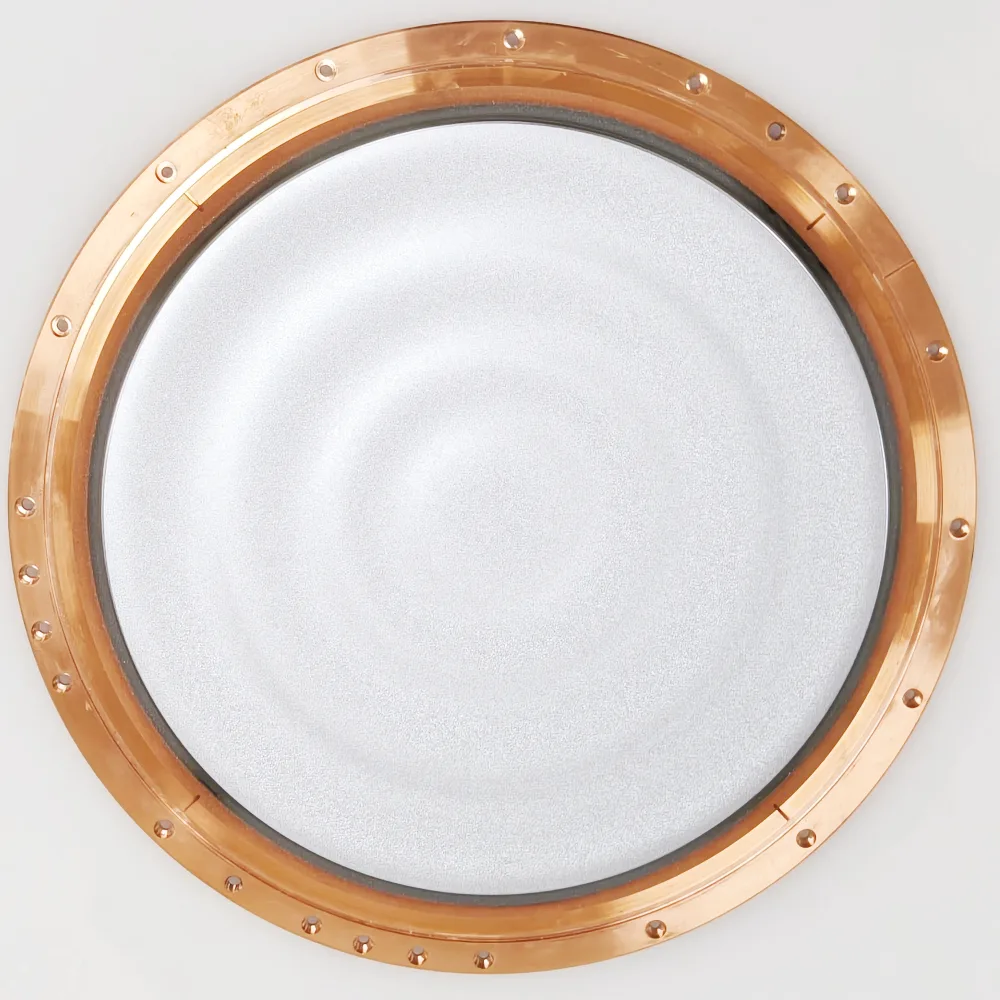
Copper backing and bonding considerations
A backing plate provides the mounting interface and mechanical support for the target. It also forms part of the heat-transfer path to the cooling system. Copper is commonly used, but the selection depends on the plate geometry, mechanical condition and operating environment. Materion discusses these coupled factors in its backing plate selection guidance.
For a large assembly, the review must include how the target and plate respond to heating and cooling. Different thermal expansion behaviour, temperature gradients and cooling pressure can load the interface. A conductive backing material by itself does not establish an acceptable operating envelope.
Indium bonding is one option engineers may evaluate for compatible assemblies. Its conductive, compliant metallic layer can help transfer heat and accommodate differential movement. Selection still depends on surface compatibility, operating temperature and the complete assembly design. Kurt J. Lesker’s indium bonding guidance explains this general role. The method used for the pictured project has not been confirmed for publication, so this discussion should not be read as a process record.
MetalsTek’s target bonding and backing plate review service can be included in an enquiry for a new assembly or a customer-supplied plate. Reuse suitability requires inspection.
Project outcome and related size experience
The project team reports that the customer evaluated the supplied product and subsequently placed repeat orders. No customer deposition data, film-uniformity measurements or service-life figures are presented here.
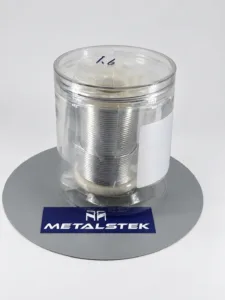
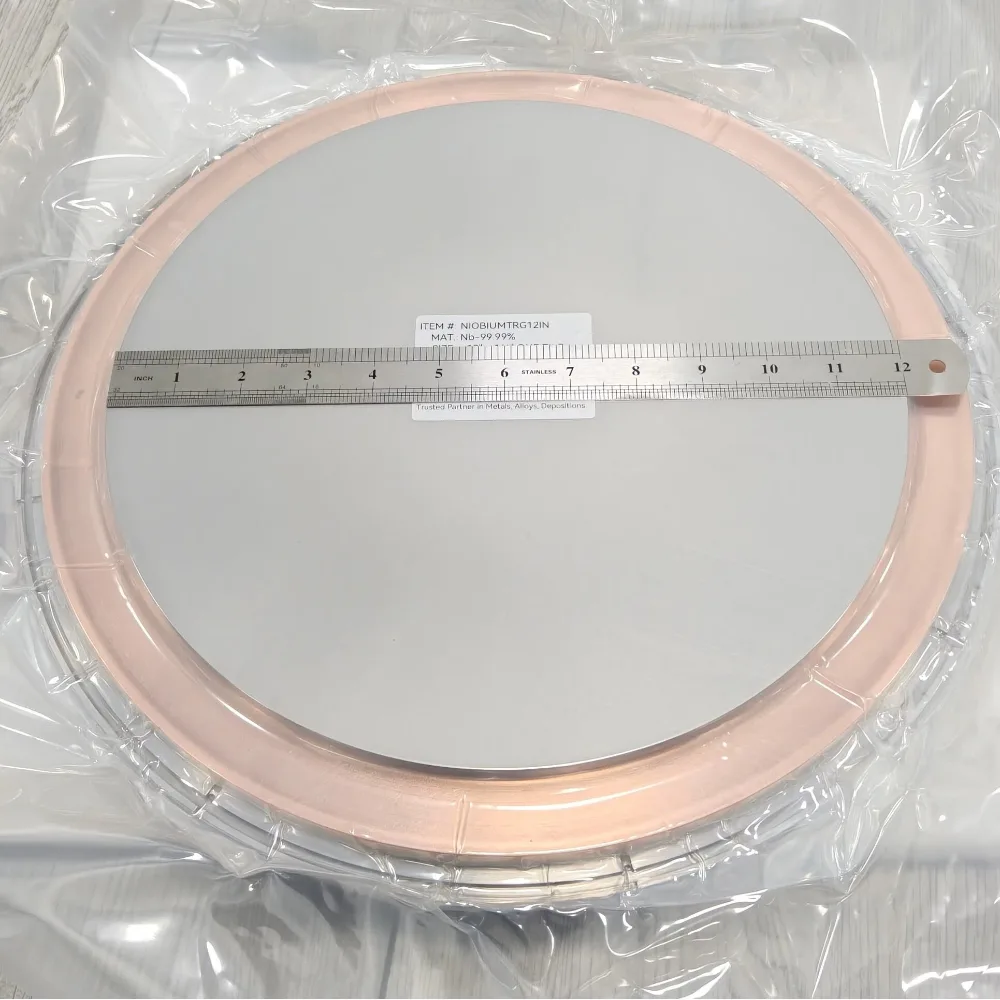
MetalsTek has also supplied a separate 12-inch niobium target configuration. The photograph below belongs to that smaller example and is included to distinguish it from the 13.558-inch project. Each size requires its own drawing review and acceptance criteria.
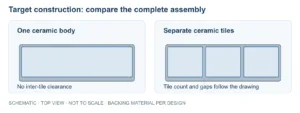
This case concerns a single-piece metal target. Ceramic targets have different manufacturing constraints. For that separate design question, see the single-piece versus segmented ceramic target guide; the Nb dimensions here do not establish a ceramic size capability.
What to confirm before ordering
An enquiry is easier to assess when the target and backing plate are specified as one assembly. Supply a controlled drawing revision and identify which dimensions belong to the Nb component, the backing plate and the finished stack. If an existing plate will be reused, include its service history and photographs.
| Requirement | Information to provide |
|---|---|
| Material | Nb purity requirement, impurity limits and requested documentation |
| Geometry | Diameter, thickness, tolerances, flatness and edge details |
| Backing plate | Material, drawing, mounting features and new or reused condition |
| Bonding | Preferred method, thermal conditions and acceptance requirements |
| Equipment | Chamber or cathode identification and interface drawing |
| Order | Quantity, required delivery and inspection documentation |
A request for 99.999% Nb should be assessed separately from this 99.99% project. Confirm the purity basis and impurity reporting requirements, along with availability for the requested geometry. Purity designation alone does not specify the target’s grain structure, finish or bonded condition.
Frequently asked questions
Can MetalsTek supply niobium targets larger than 12 inches?
The documented project used a specified 13.5580-inch target diameter. Other large sizes require review of the material, thickness, tolerances and backing plate arrangement before a quotation or manufacturing commitment.
What makes a large niobium disc challenging to machine?
Niobium’s ductility and tendency to adhere to tools affect machining. A large, thin disc also requires appropriate support and a clear measurement plan. The relevant limits depend on the drawing and material condition.
Why use a copper backing plate?
It can provide mounting support and a conductive route toward the cooling system. Suitability depends on the specific equipment interface, plate condition and thermal loading. Copper is not the only possible backing material.
What is needed for a custom target quotation?
Send the Nb purity requirement, target dimensions, controlled drawing, backing plate details, quantity and bonding requirements. Include operating conditions and any required inspection records so the proposed assembly can be reviewed against the intended use.
Request a Custom Large-Diameter Niobium Target Quote
Send your drawing and assembly requirements to MetalsTek for a feasibility review. Identify the target purity, dimensions, backing plate, quantity and preferred bonding arrangement. The team can then clarify the available configuration and documentation before quotation. Explore the sputtering target range or use the enquiry form on the niobium target page.