
Menu
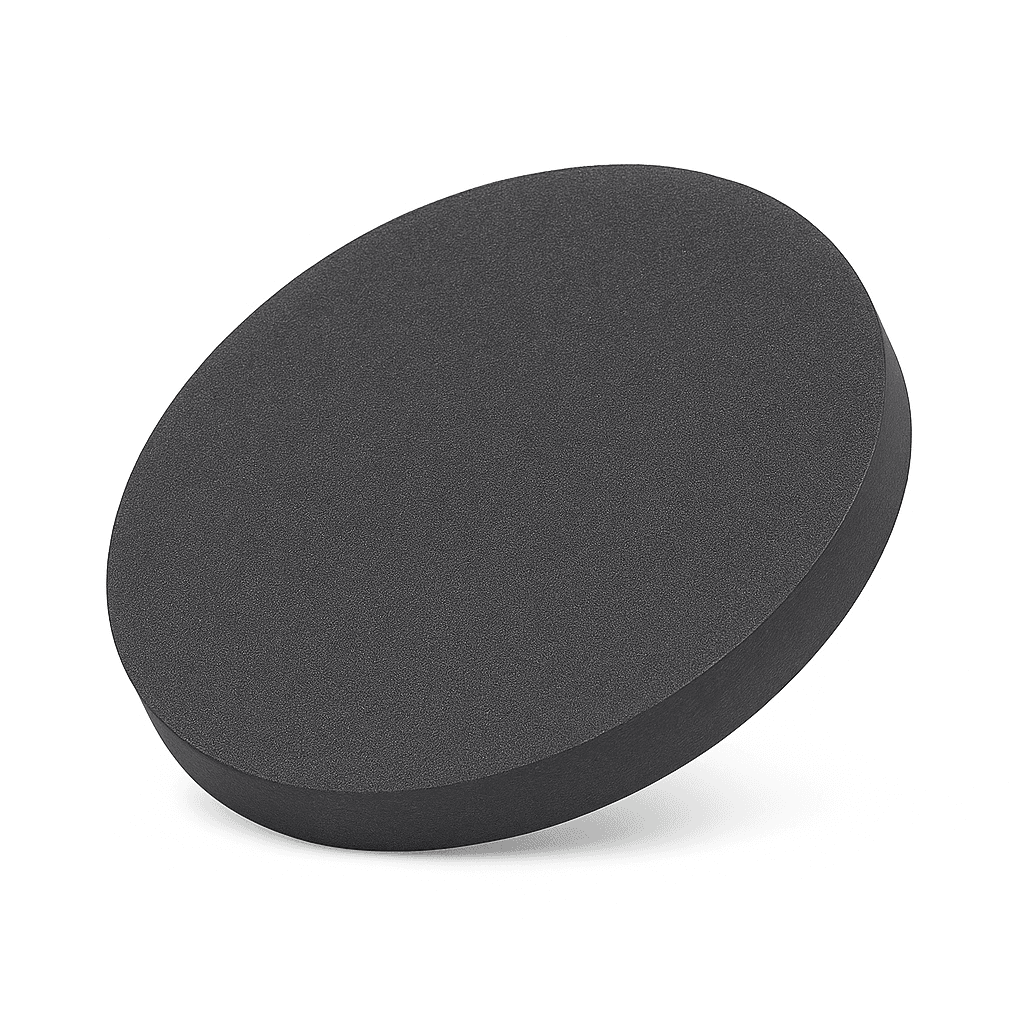
Material: Carbon (Graphite / Amorphous Carbon)
Purity: 99.9%–99.999%
Form: Planar Target, Rotary Target, Bonded or Unbonded
Size: Customized Dimensions
Applications: DLC Films, Optical Coatings, Semiconductor Layers, Protective Films
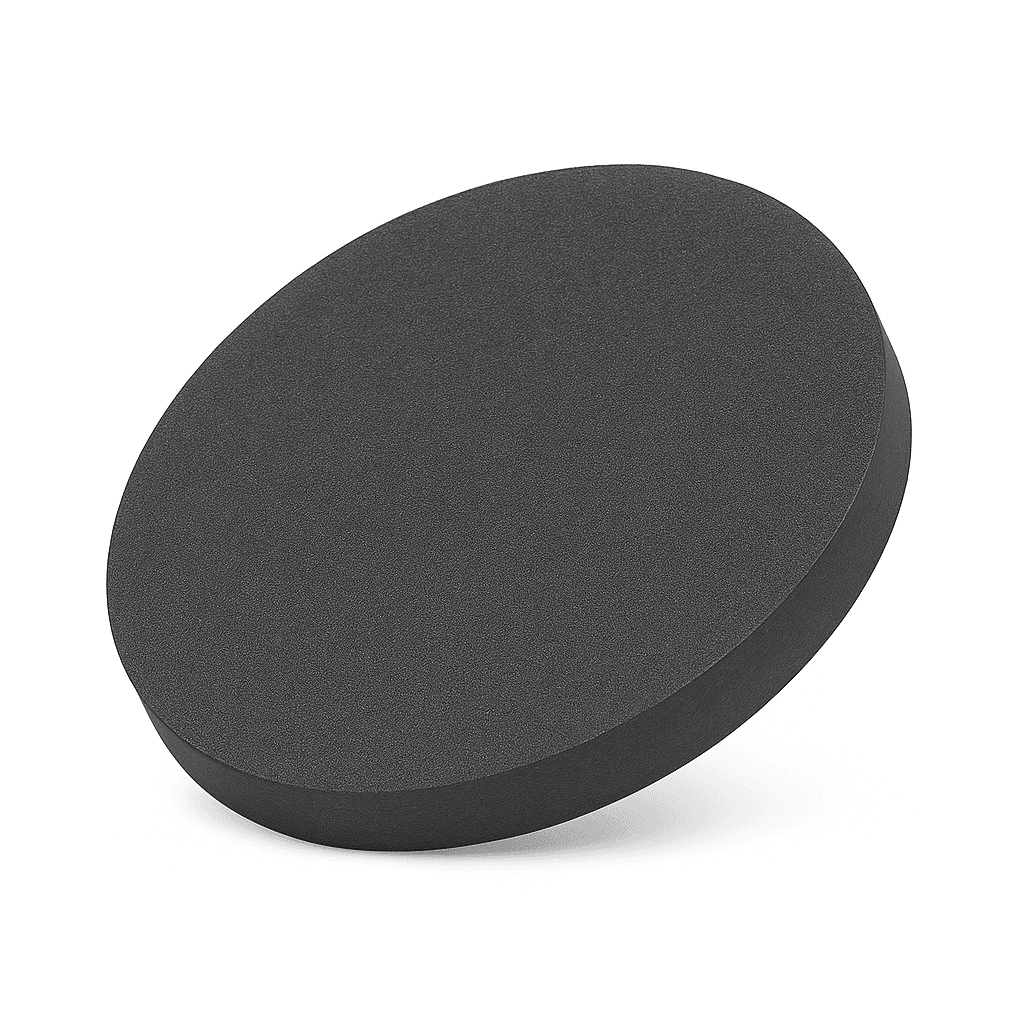
Material: Silicon Carbide (SiC)
Purity: 99.9%–99.999%
Form: Planar / Rotary Target
Size: Customized
Applications: Semiconductor Devices, Power Electronics, Hard Coatings, Optical Films
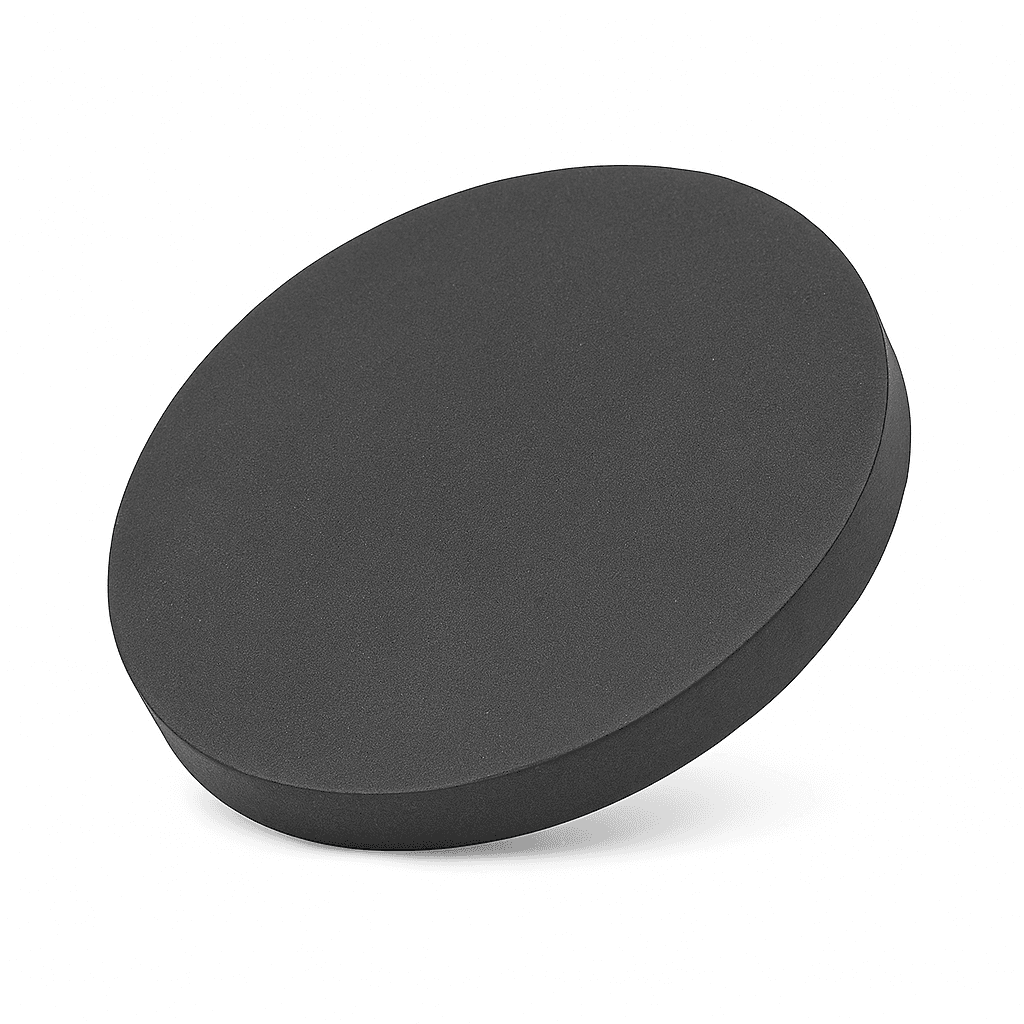
Material: Boron Carbide (B₄C)
Purity: 99.9%
Form: Planar Target
Size: Customized
Applications: X-ray / EUV Optics, Hard Coatings, Wear Protection
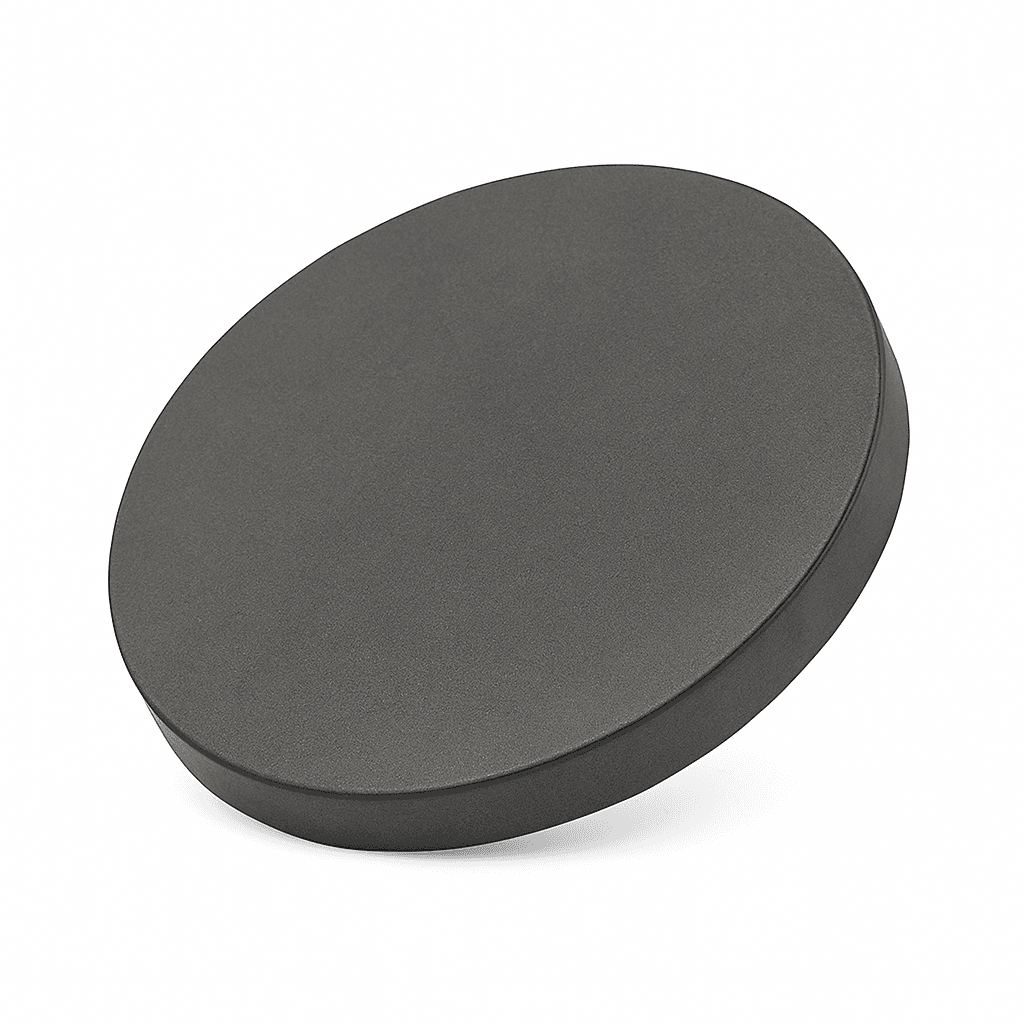
Material: Tungsten Carbide (WC)
Purity: 99.9%
Form: Planar / Rotary Target
Size: Customized
Applications: Hard Coatings, Cutting Tools, Molds, Barrier Layers
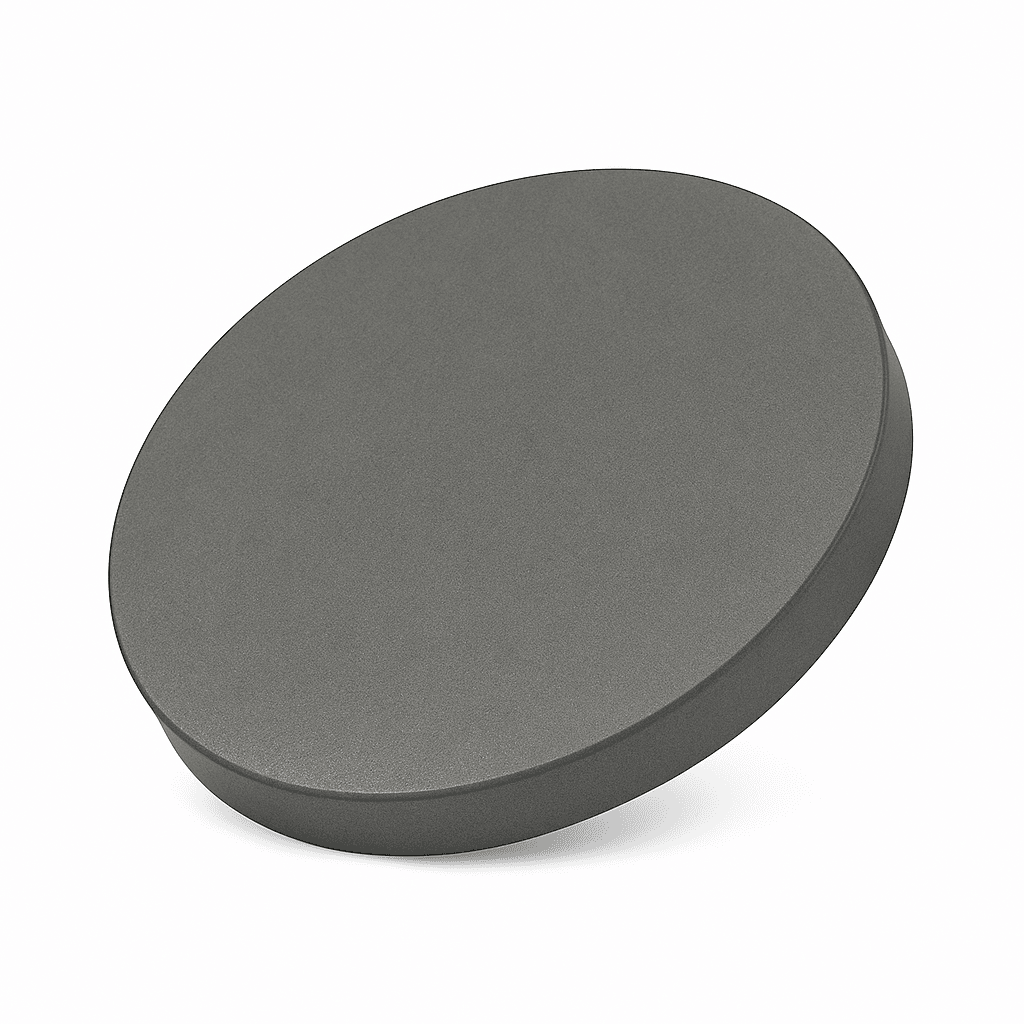
Material: Titanium Carbide (TiC)
Purity: 99.9%
Form: Planar / Rotary Target
Size: Customized
Applications: Conductive Films, Wear Protection, Diffusion Barriers
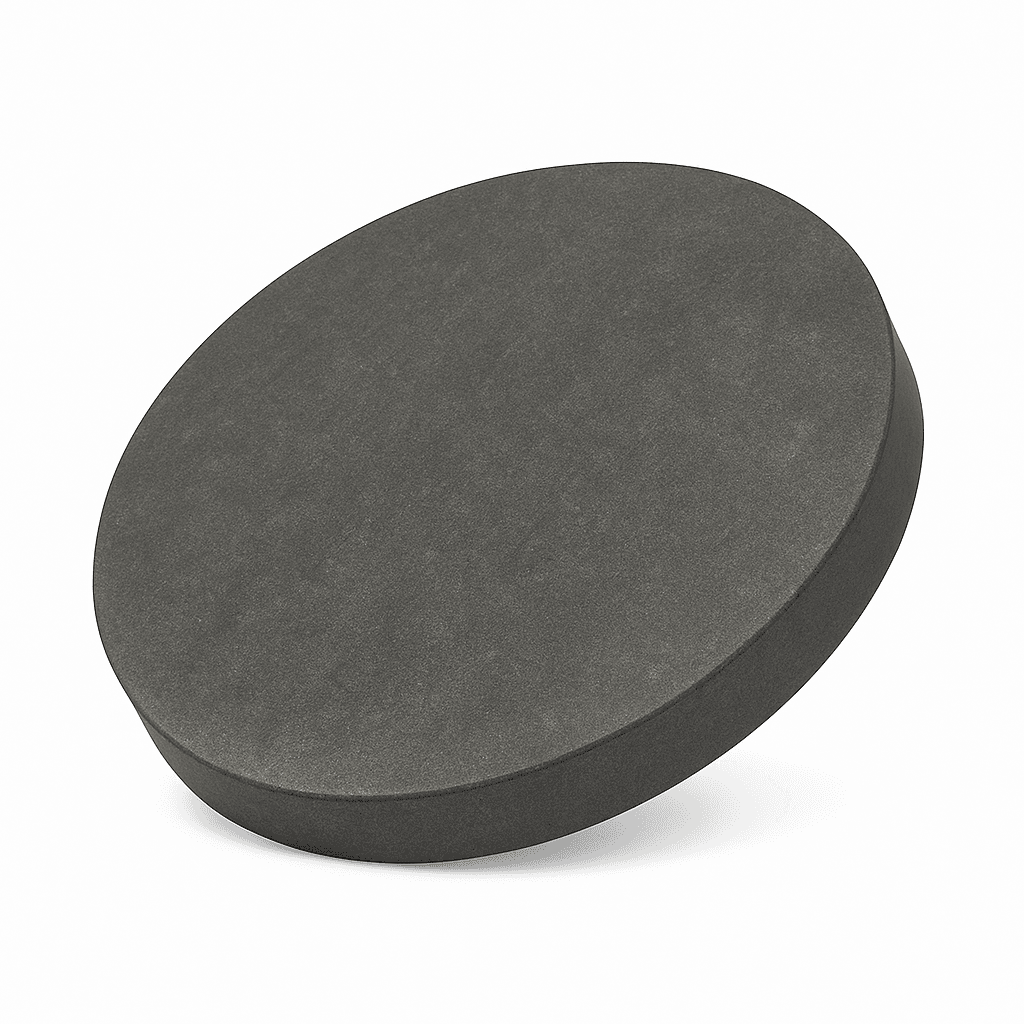
Material: Chromium Carbide (Cr₃C₂)
Purity: 99.9%
Form: Planar / Rotary Target
Size: Customized
Applications: Anti-Corrosion Films, Wear-Resistant Coatings, Industrial Tools
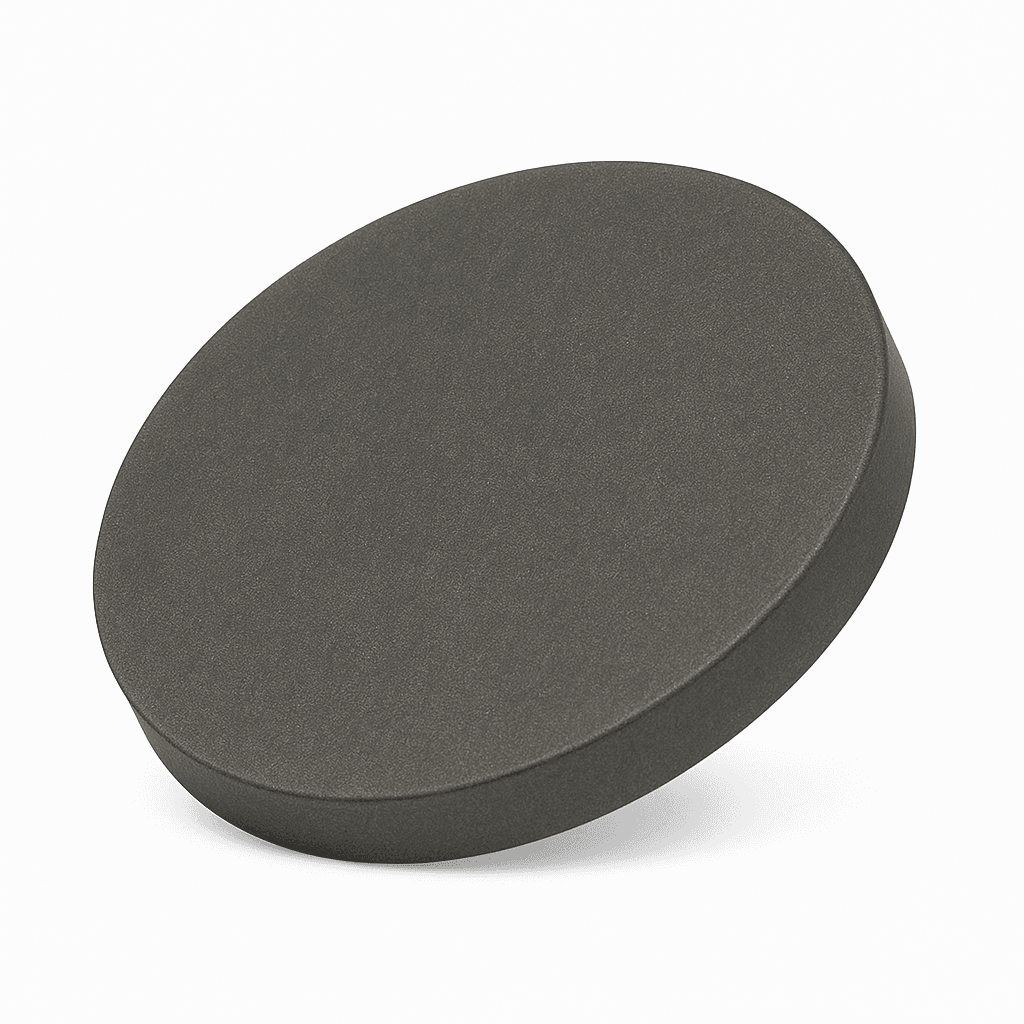
Material: Zirconium Carbide (ZrC)
Purity: 99.9%
Form: Planar / Rotary Target
Size: Customized
Applications: High-Temperature Films, Aerospace Components, Optical Coatings
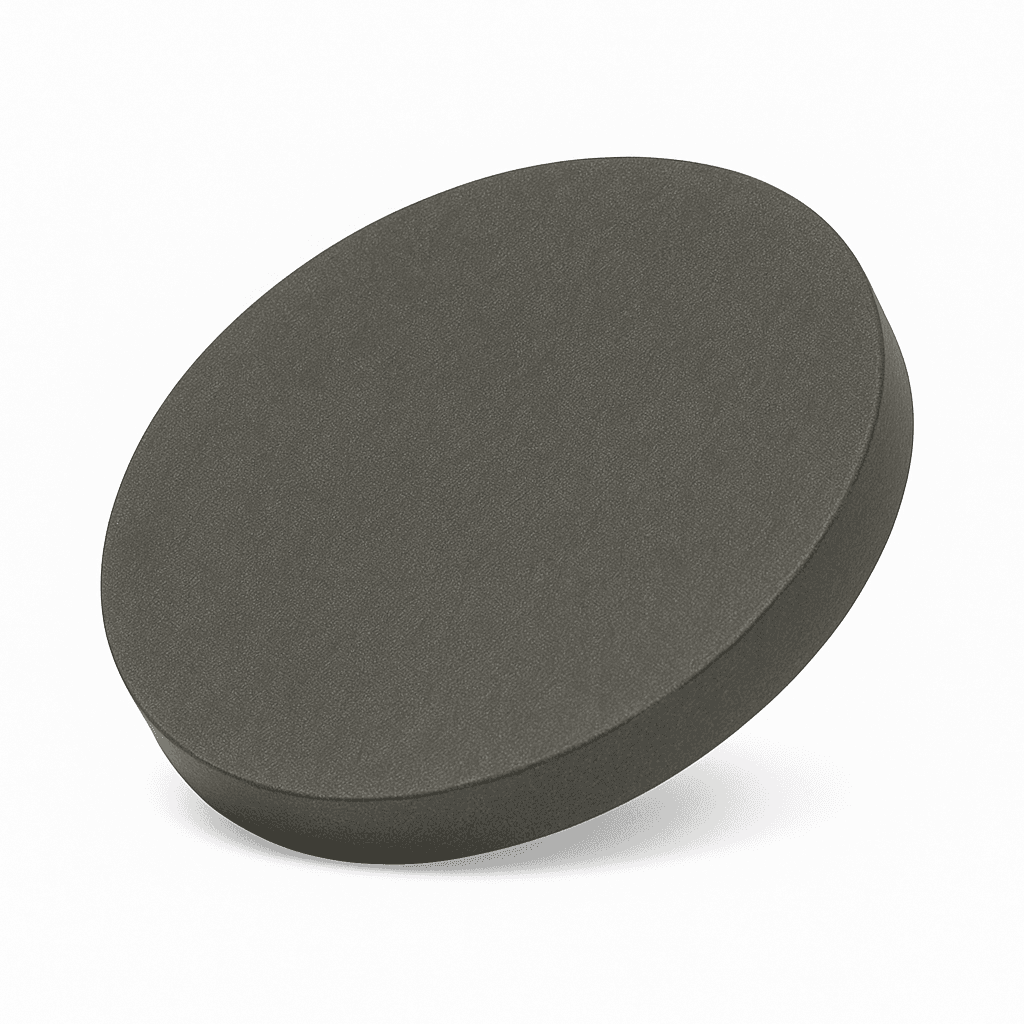
Material: Hafnium Carbide (HfC)
Purity: 99.9%
Form: Planar Target
Size: Customized
Applications: Ultra-High-Temperature Films, Aerospace, IR Optics
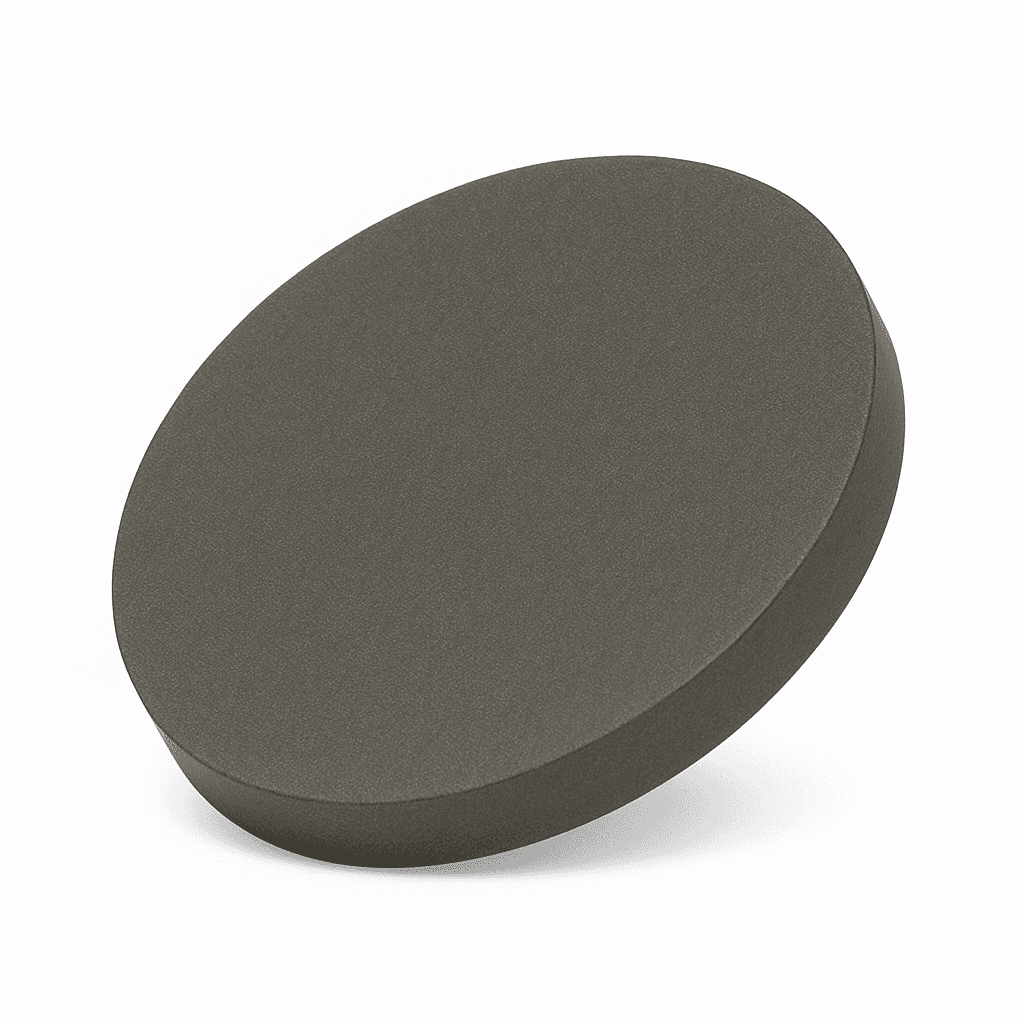
Material: Niobium Carbide (NbC)
Purity: 99.9%
Form: Planar Target
Size: Customized
Applications: Corrosion-Resistant Films, Electronics, Energy Devices
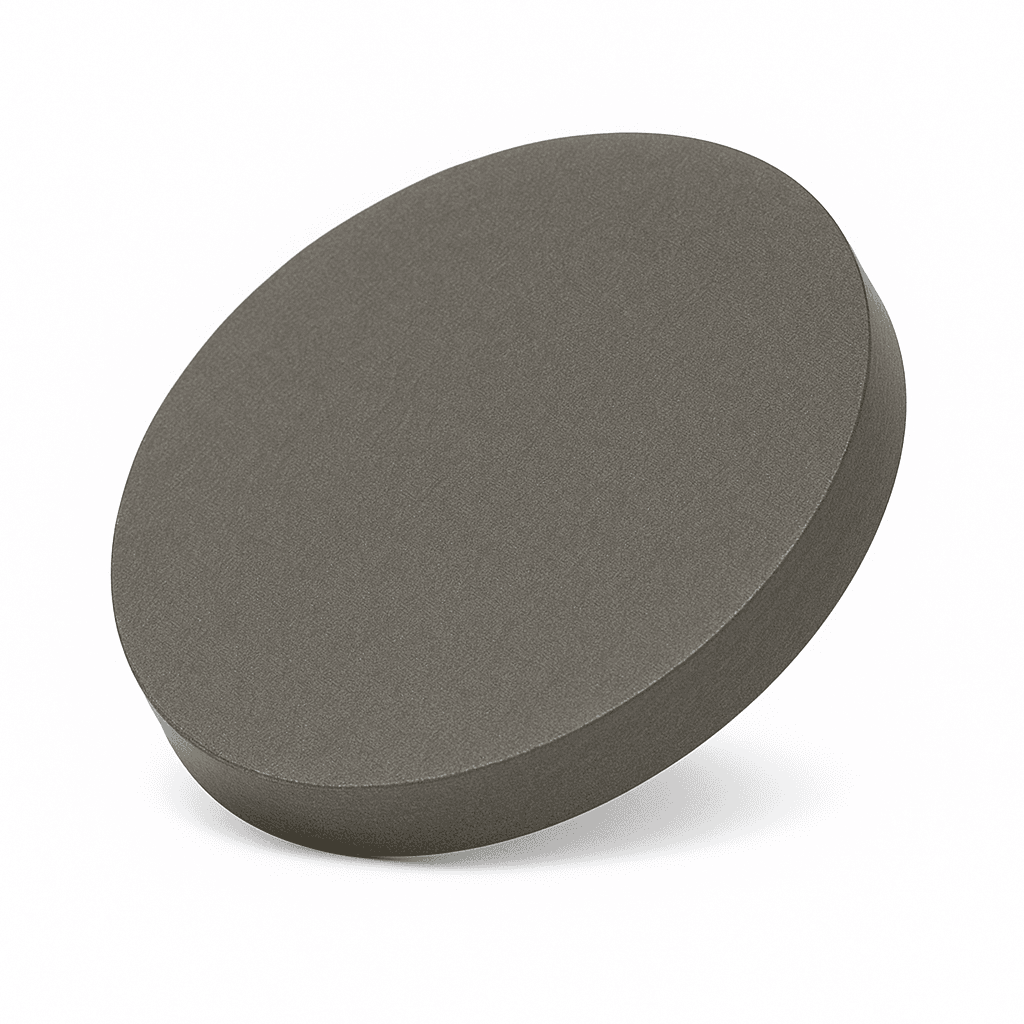
Material: Molybdenum Carbide (Mo₂C)
Purity: 99.9%
Form: Planar Target
Size: Customized
Applications: Hard Coatings, Catalytic Films, Semiconductor Films
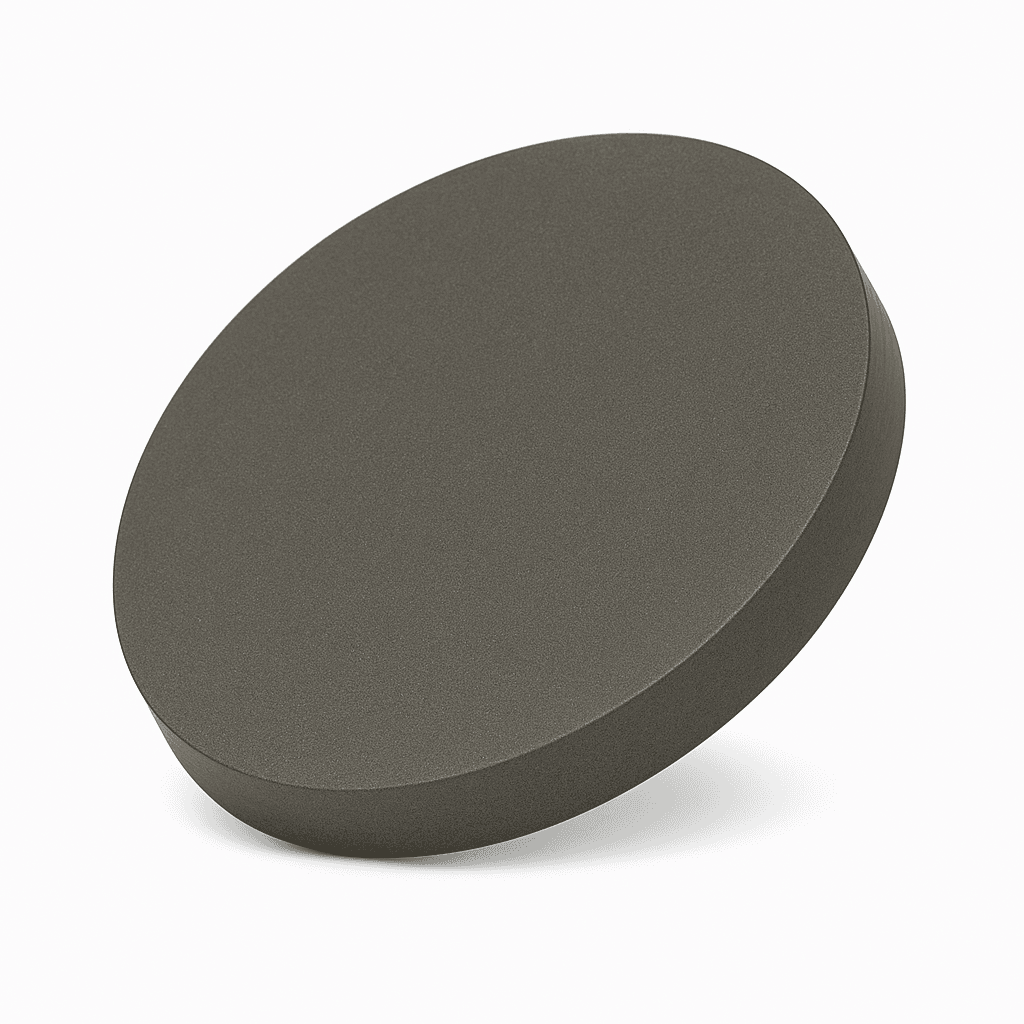
Material: Vanadium Carbide (VC)
Purity: 99.9%
Form: Planar Target
Size: Customized
Applications: Hard Coatings, Cutting Tools, Decorative Films
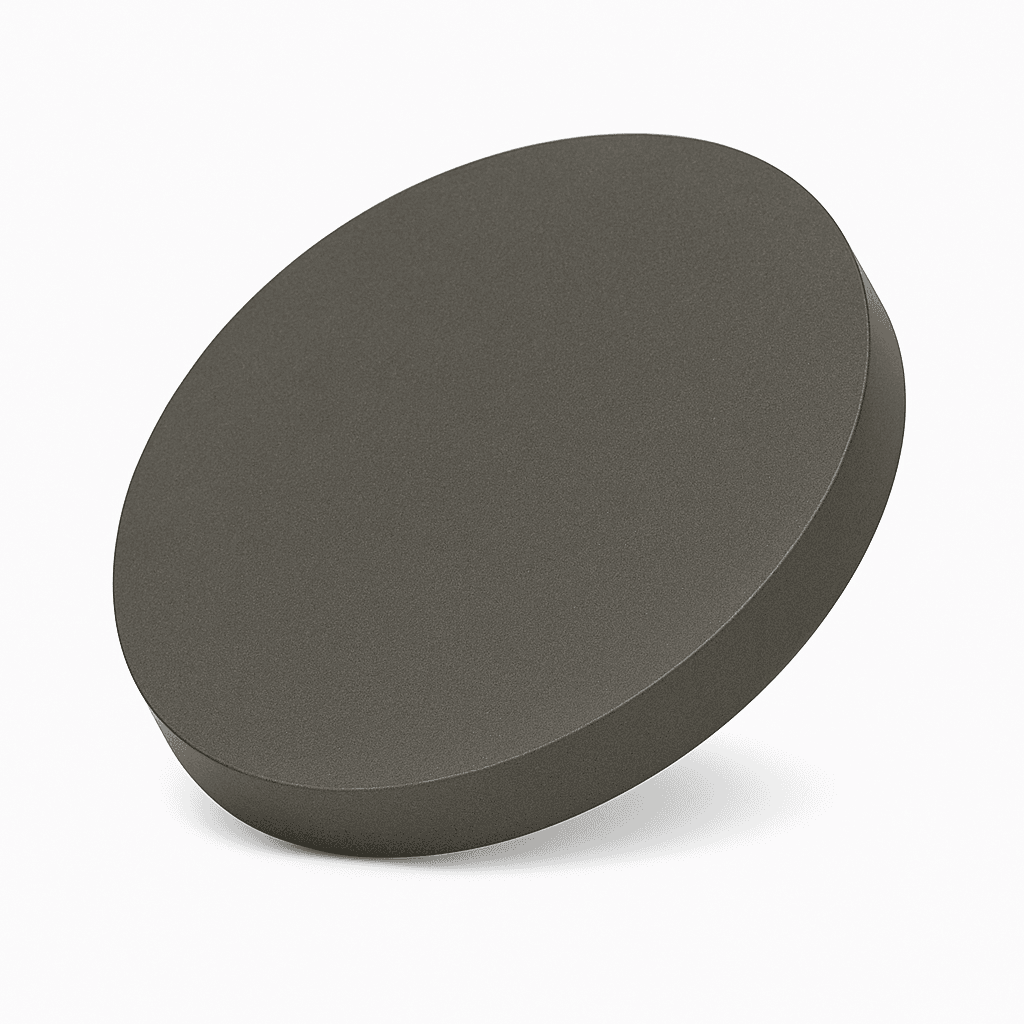
Material: Tantalum Carbide (TaC)
Purity: 99.9%
Form: Planar Target
Size: Customized
Applications: Ultra-High-Temperature Films, Aerospace, Hard Protective Coatings
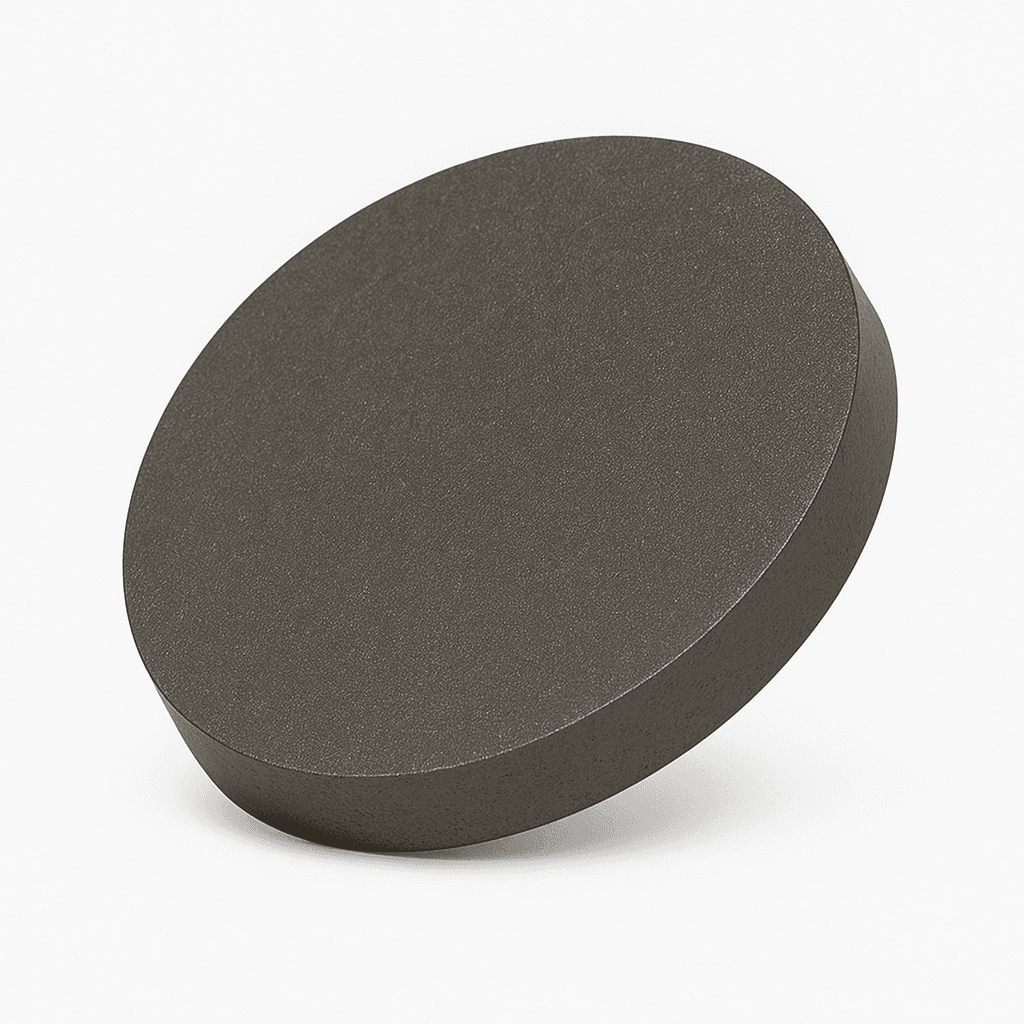
Material: Niobium Silicon Carbide (NbSiC)
Purity: 99.9%
Form: Planar Target
Size: Customized
Applications: Aerospace, High-Temperature Ceramics, Functional Films
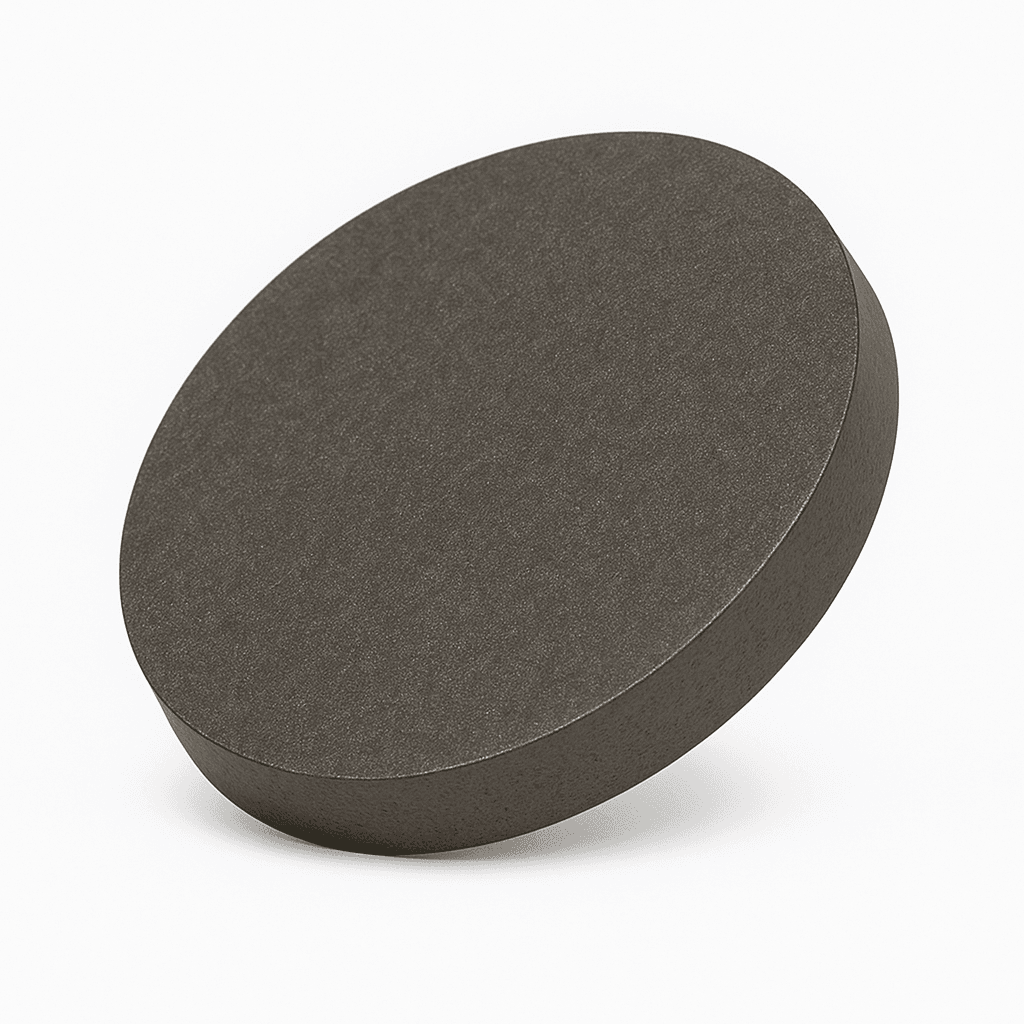
Material: Titanium Silicon Carbide (Ti₃SiC₂, MAX Phase)
Purity: 99.9%
Form: Planar Target
Size: Customized
Applications: Electrical Contacts, High-Temperature Films, MAX-Phase Ceramics
Carbon Sputtering Targets are essential source materials used in physical vapor deposition (PVD) systems, especially magnetron sputtering, for producing high-performance thin films. Manufactured from high-purity graphite, amorphous carbon, or engineered carbide compounds, these targets offer exceptional thermal stability, chemical inertness, and reliable sputtering behavior suitable for advanced coating processes.
With a sublimation point above 3,600°C (for graphite) and a density typically within 1.8–2.2 g/cc, carbon-based sputtering targets exhibit outstanding resistance to high-power sputtering environments. Their versatile bonding structures—spanning graphite, amorphous carbon, diamond-like carbon (DLC), and metal carbides—enable the formation of films with tailored electrical, tribological, and optical properties.
Carbon sputtered films are foundational in:
Semiconductor device fabrication
Hard protective DLC coatings
Data storage and magnetic media
Optical interference layers
Carbon buffer layers and barrier films
Wear-resistant and low-friction surfaces
Carbide-based sputtering targets—including SiC, B₄C, WC, TiC, ZrC, HfC, NbC, Mo₂C, and other high-temperature carbides—further expand the performance window by offering higher hardness, improved chemical resistance, and compatibility with extreme operating conditions. These materials support demanding applications in power electronics, aerospace components, high-temperature ceramics, and advanced optical systems.
Carbon and carbide sputtering targets are indispensable for next-generation thin film technologies, enabling precise control over film structure, mechanical strength, conductivity, and surface performance across diverse industries such as electronics, optics, aerospace, automotive, energy storage, and precision manufacturing.
| Material Type | Carbon (Graphite) |
|---|---|
| Symbol | C |
| Atomic Weight | 12.011 |
| Atomic Number | 6 |
| Appearance | Black / Dark Gray, Matte or Crystalline (Graphite) |
| Thermal Conductivity | ~120–200 W/m·K (Graphite, depending on grade) |
| Melting / Sublimation Point | Sublimes at ~3,642 °C |
| Coefficient of Thermal Expansion | ~4–8 × 10⁻⁶ /K (orientation dependent) |
| Theoretical Density | 2.0–2.26 g/cc (graphite density range) |
| Z Ratio | ~1.00 |
| E-Beam | Excellent (stable, clean evaporation) |
Carbon (C) and carbon-based sputtering targets—including graphite, amorphous carbon (DLC), and carbide targets such as SiC, B₄C, WC, TiC, and Mo₂C—are widely used across advanced thin-film industries. Their exceptional thermal stability, chemical inertness, mechanical hardness, and tailored electrical properties make them indispensable in modern PVD sputtering processes.
Below is a consolidated overview of their major application fields.
Carbon and carbide sputtering targets are core materials for high-performance thin films used in:
Protective overcoats
Hard, wear-resistant layers
DLC (diamond-like carbon) coatings
Conductive or resistive layers
Barrier and diffusion-blocking layers
These thin films are essential in:
• Semiconductor wafer processing
• Magnetic storage media
• Optical storage disks
• Advanced microelectronics and packaging
DLC sputtered films, in particular, enable ultra-smooth, low-friction, chemically inert coatings widely used in MEMS, storage heads, and protective layers.
Carbon-based sputtering materials enable precision optical coatings:
B₄C and SiC are widely used in X-ray optics, synchrotron mirrors, and EUV multilayers due to their high absorption and extreme hardness.
Carbon coatings function as:
Antireflective layers
Beam-shaping coatings
Thermal management films
Their durability under high photon flux makes them essential in high-energy optical instruments and scientific research.
Carbon sputtering targets—especially DLC and carbide materials—provide industry-leading durability:
Corrosion resistance
Abrasion resistance
High-temperature oxidation stability
Applications include:
• Cutting tools • Precision dies • Bearings • Pump components • Engine parts
DLC thin films are widely adopted for automotive engine parts and high-performance mechanical assemblies requiring extremely low friction.
Carbon-based sputtered films support high-stress, high-temperature environments:
Thermal barrier films
Tribological coatings
Protective structural layers
EMI shielding thin films
SiC, B₄C, and WC sputtering targets are especially valued for coatings on aerospace optics, propulsion components, and parts exposed to extreme mechanical loads.
Carbon plays critical roles in semiconductor fabrication:
Amorphous carbon is used as a hard mask in advanced lithography.
Carbon thin films offer conductive or anti-static behavior for packaging and interconnect structures.
Carbides (e.g., WC, TiC, SiC) act as:
Diffusion barriers
Gate electrode materials
Interface layers
High-κ dielectric components
Carbon-based sputtering targets are essential in logic ICs, memory, sensors, and power devices.
Carbon sputtered films enhance:
Electrode conductivity
Thermal stability
Cycle performance
Carbide sputtering materials such as Mo₂C and WC also provide catalytic activity used in:
Hydrogen evolution
Fuel cells
Electrochemical energy-conversion systems
Thin carbon layers are widely used in battery casings, current collectors, and protective surface films.
DLC sputtering targets are widely used for:
Biocompatible coatings
Wear-resistant medical components
Low-friction surgical tools
DLC’s chemical inertness and smooth surface support use in implants, orthopedic devices, and precision instruments.
Carbide sputtering targets such as B₄C, SiC, WC exhibit extreme hardness and high-temperature capability, enabling:
Armor coatings
Neutron absorption films
High-hardness protective layers
Aerospace-grade structural surfaces
Their mechanical and chemical durability makes them ideal for military, aerospace, and industrial heavy-duty applications.
Carbon sputtering materials support:
Barrier layers for high-temperature metals
Hardening surfaces
Carbide-reinforced composite interfaces
Carbide films (TiC, WC, etc.) enhance wear resistance and strengthen advanced alloys and engineered surfaces.
Carbon and carbide sputtering targets contribute to catalytic coatings:
WC and Mo₂C thin films act as catalysts for hydrogenation and reforming.
Carbon layers support heterogeneous catalysts in chemical manufacturing.
Their thermal stability and surface properties make them ideal for reaction environments.