
Menu

Carbon is a versatile, nonmetallic element known for its diverse allotropes and exceptional structural adaptability. As a fundamental building block in organic and inorganic chemistry, carbon plays a critical role across scientific and industrial fields. Its properties vary widely depending on form—from the extreme hardness of diamond to the excellent electrical conductivity of graphite—making carbon indispensable in modern technology.
Pure carbon materials can exhibit reactivity or structural limitations depending on their allotrope, so they are often engineered or combined with other elements to enhance performance and expand their functional use.
Carbon’s vapor deposition and thin-film capabilities make it especially valuable in producing coatings with specific electrical, optical, thermal, or protective characteristics. These carbon-based films are widely used in sectors such as aerospace, electronics, optics, automotive engineering, energy storage, and semiconductor manufacturing.
Carbon Evaporation Materials (Purity > 99%)
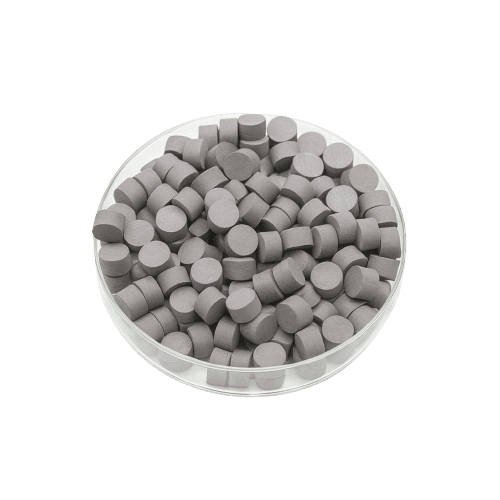
Carbon Evaporation Pellets, Carbon Granules, Carbon Micro Powder, Carbon Nano Powder, High Purity Graphite Chunks, Carbon Rod Evaporation Materials.
Carbon Sputtering Target (C Targets)
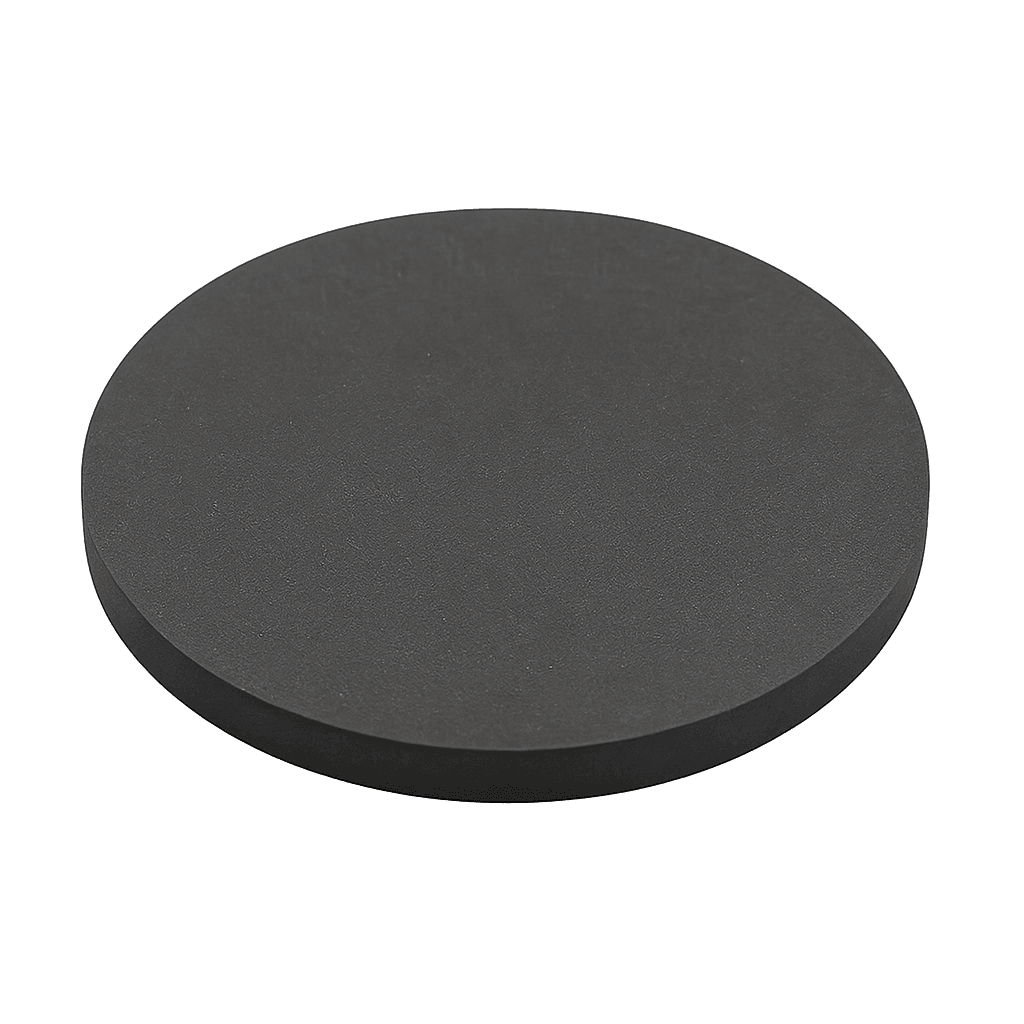
High Purity Carbon Sputtering Target, Graphite Target, Pyrolytic Carbon Target, Glassy Carbon Target, Custom Carbon Composite Targets.
Carbon Plate & Bar
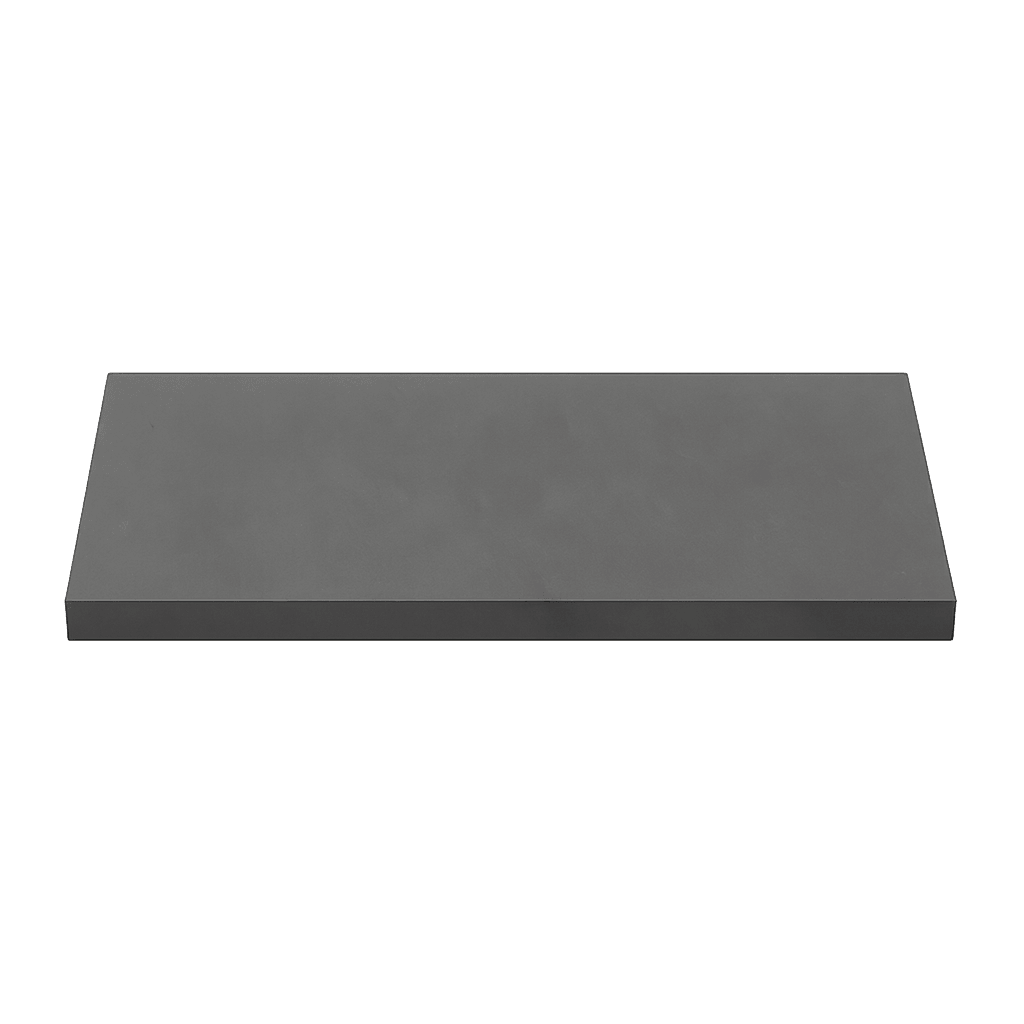
Isostatic Graphite Plate, High Purity Graphite Bar, Molded Graphite Block, Extruded Graphite Bar, Carbon Composite Plate, Carbon Structural Bar.
Carbon Sheet (Ultra-thin & Thin Sheets)
Ultra-thin Graphite Sheet (0.2–1 mm), Thin Graphite Sheet (1–2 mm), High Purity Carbon Sheet, Graphite Foil Sheet, Flexible Graphite Sheet.
Carbon Tube
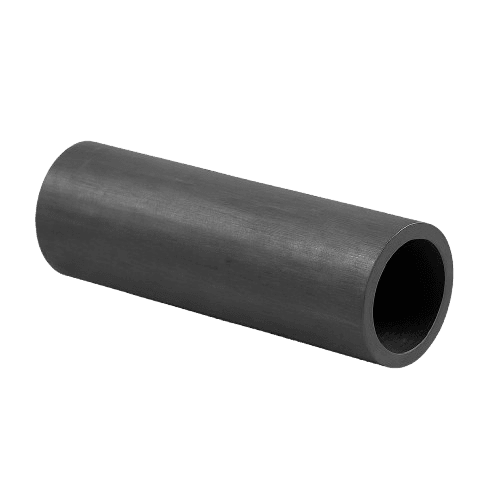
Graphite Tube, Isostatic Graphite Tube, Thin-wall Carbon Tube, Thick-wall Carbon Tube, C/C Composite Tube, Glassy Carbon Tube.
Custom Carbon Parts
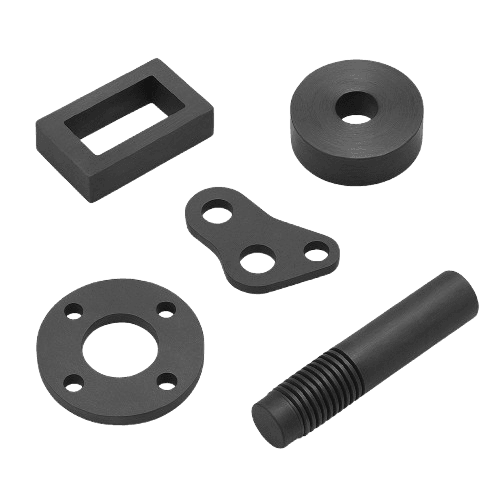
Custom CNC-machined Carbon Components, Graphite Fixtures, Graphite Rings, Carbon Plates with Holes/Slots, Carbon Rods with Threading, Multi-hole Parts, Complex 3D Carbon Structures.
Carbon materials are widely used in high-performance environments due to their exceptional thermal stability, chemical inertness, mechanical strength, and electrical conductivity. Across semiconductor processing, thin-film deposition, high-temperature furnaces, vacuum engineering, optics, metallurgy, and advanced research, carbon-based products serve as essential structural and functional components. The following sections outline the application strengths of each major carbon product category offered on your website.
Carbon tubes are used extensively in high-temperature and chemically demanding environments where metal or ceramic tubes would fail. Their low thermal expansion, excellent heat resistance, and stability in vacuum or inert gas atmospheres make them ideal for:
Wafer support structures and carriers in semiconductor tools
Furnace heater supports, insulation tubes, and thermal shields
Gas distribution and transfer tubes in PVD, CVD, and diffusion systems
Structural components in vacuum furnaces and crystal growth equipment
Aerospace lightweight structures and high-strength mechanical parts
Ultra-thin and thin carbon sheets offer unique advantages for applications requiring extremely low weight, high-temperature tolerance, or electrical conductivity. They are widely used in:
Thermal management layers and heat spreaders
EMI shielding and antistatic components
Semiconductor process masking and insulation
Flexible furnace linings and high-temperature barrier layers
Laboratory sample stages and supporting substrates
Thin graphite sheets can also be laser-cut or CNC-shaped for precision thermal, mechanical, or electrical applications.
Carbon plates and bars provide mechanical rigidity, high thermal conductivity, and excellent dimensional stability under high temperatures. Typical applications include:
Vacuum furnace structural plates, fixtures, and mounting blocks
Heater bases, load-bearing supports, and mechanical guides
EDM electrodes and conductive structural parts
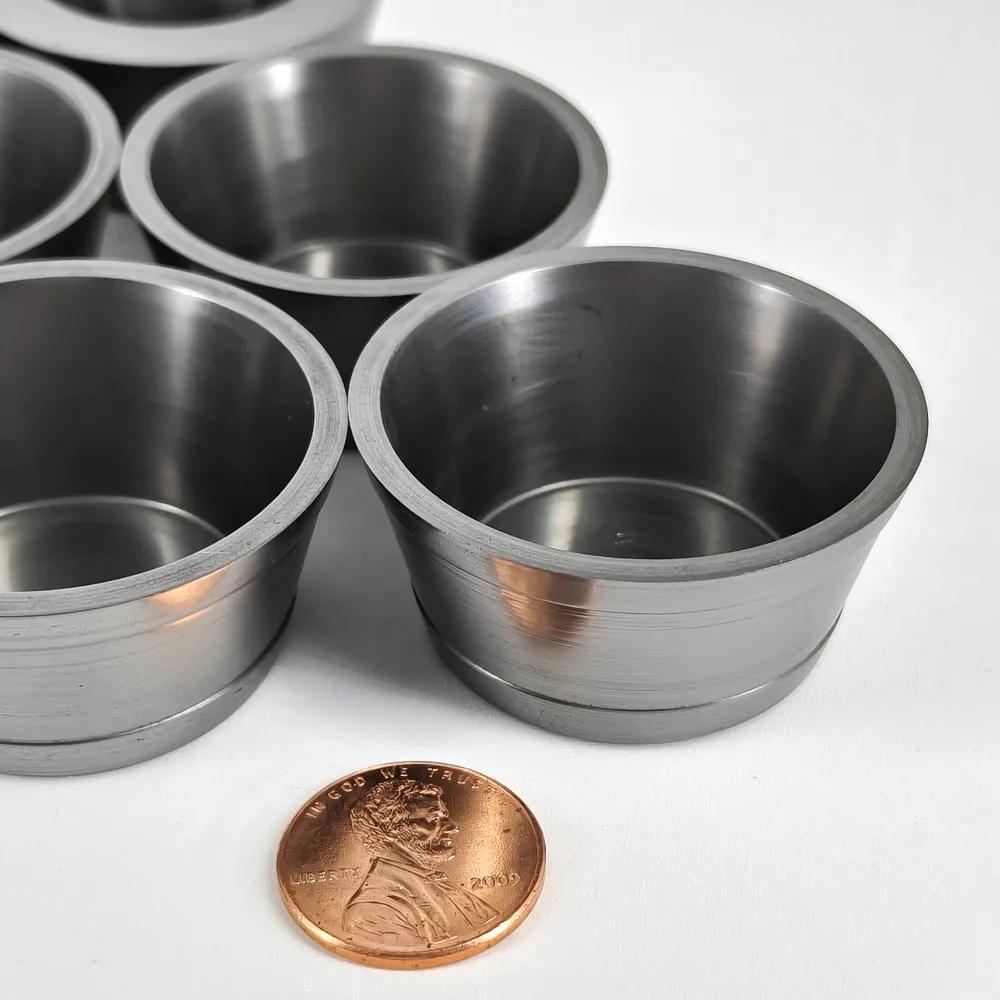
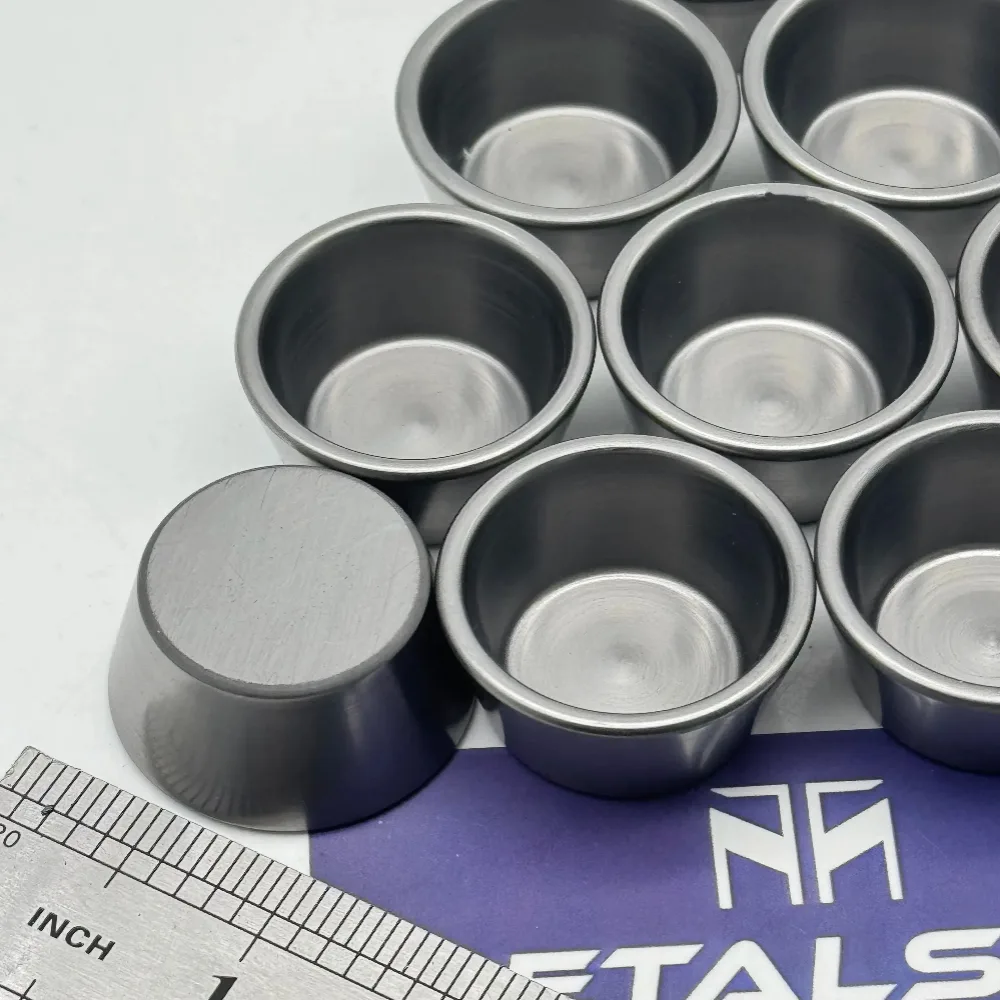
Crucible lids, carriers, and support frames in metallurgy
Precision machined mechanical components for industrial tooling
Their machinability makes them ideal for replacing metal components exposed to corrosive or high-temperature conditions.
Custom-machined carbon parts enable tailored performance for specialized industrial processes. With CNC machining, threading, drilling, milling, and shaping, they support complex designs for:
Semiconductor wafer handling fixtures and shielding components
Precision blocks, rings, gears, and threaded rods
Vacuum furnace hardware and thermal insulation structures
Optical equipment mounts, apertures, and alignment parts
Aerospace and high-performance mechanical systems requiring lightweight rigidity
These custom parts allow engineers to integrate carbon’s benefits exactly where needed.
Carbon evaporation pellets, granules, powders, and chunks are essential consumables in thermal and e-beam evaporation systems. They are widely used to deposit:
Infrared-absorbing black coatings
Anti-reflective (AR) and optical functional films
Conductive and resistive carbon layers
Protective, barrier, and adhesion-improving coatings
Semiconductor device interfaces and buffer layers
Their clean evaporation behavior ensures stable deposition rates and reduced contamination in vacuum coating processes.
Carbon sputtering targets are used to produce high-quality carbon-based thin films for advanced electronic, optical, and mechanical applications. Films deposited from carbon targets are used in:
DLC (diamond-like carbon) coatings for wear resistance
Resistive, conductive, or semi-conductive layers in electronics
Black coatings for sensors and imaging systems
Hard coatings for automotive and tooling industries
Barrier layers and protective coatings in semiconductor devices
Research on carbon thin-film structures, composites, and functional coatings
High-purity targets ensure consistent sputtering performance and stable plasma conditions.