Menu
Home / Refractory Metals / Molybdenum
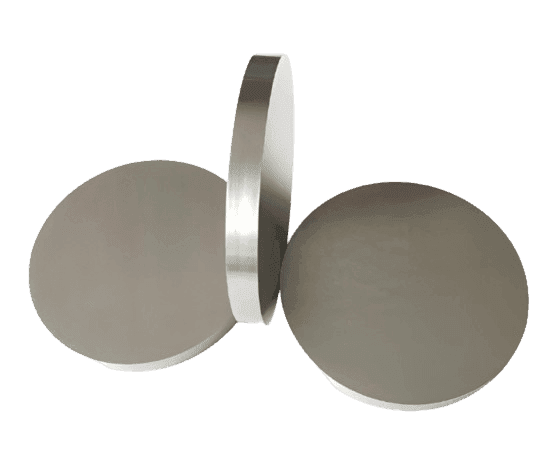
Find molybdenum mill products, furnace components, crucibles, deposition materials and powders by the form your project needs.
Compare existing product routes, then send the grade, dimensions, quantity and drawing for a form-specific quote.
Start with a product form or use the complete directory below. Pure molybdenum, TZM and other molybdenum alloys have different specifications; choose the relevant product page before requesting grade, dimensions and inspection details.
Six common buying routes are highlighted here. The complete existing product directory follows.
These are the existing molybdenum and related product pages, including alloy and compound forms. Availability and specifications are product-specific; include your intended material and process in the RFQ.
Use the product pages for form-specific specifications and confirm the applicable grade, ASTM standard and revision for your order.
State pure Mo, TZM or another listed alloy or compound. Grade and standards are not interchangeable between forms.
Specify thickness or diameter, length, drawing, process atmosphere and service conditions relevant to the part.
Provide quantity, surface condition, critical dimensions, inspection method and any required certificate or standard revision for review.
Molybdenum (Mo) is a refractory metal selected for applications where material chemistry, product form and operating conditions matter. The existing physical-property reference below provides context; actual product specifications should be confirmed on the relevant product page and against the purchase order.
Browse mill products, deposition materials, furnace components, powders and listed alloy forms above. For drawing-based components, provide the operating environment and acceptance criteria so the requested form can be reviewed.
Molybdenum Metals
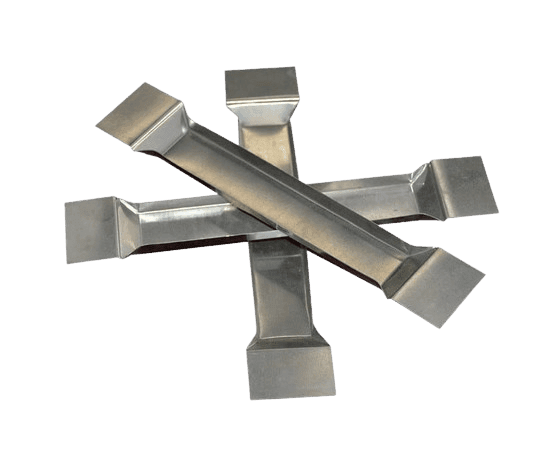
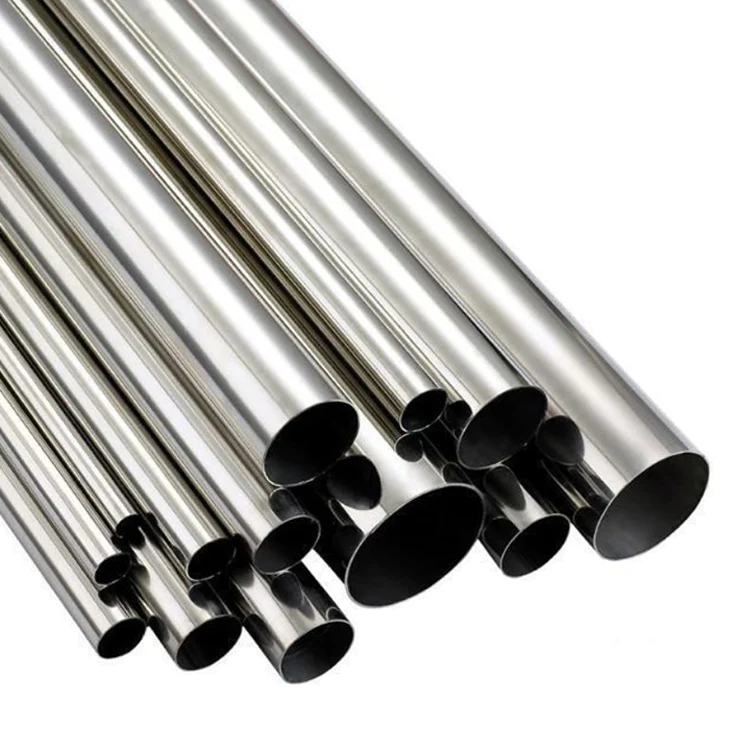
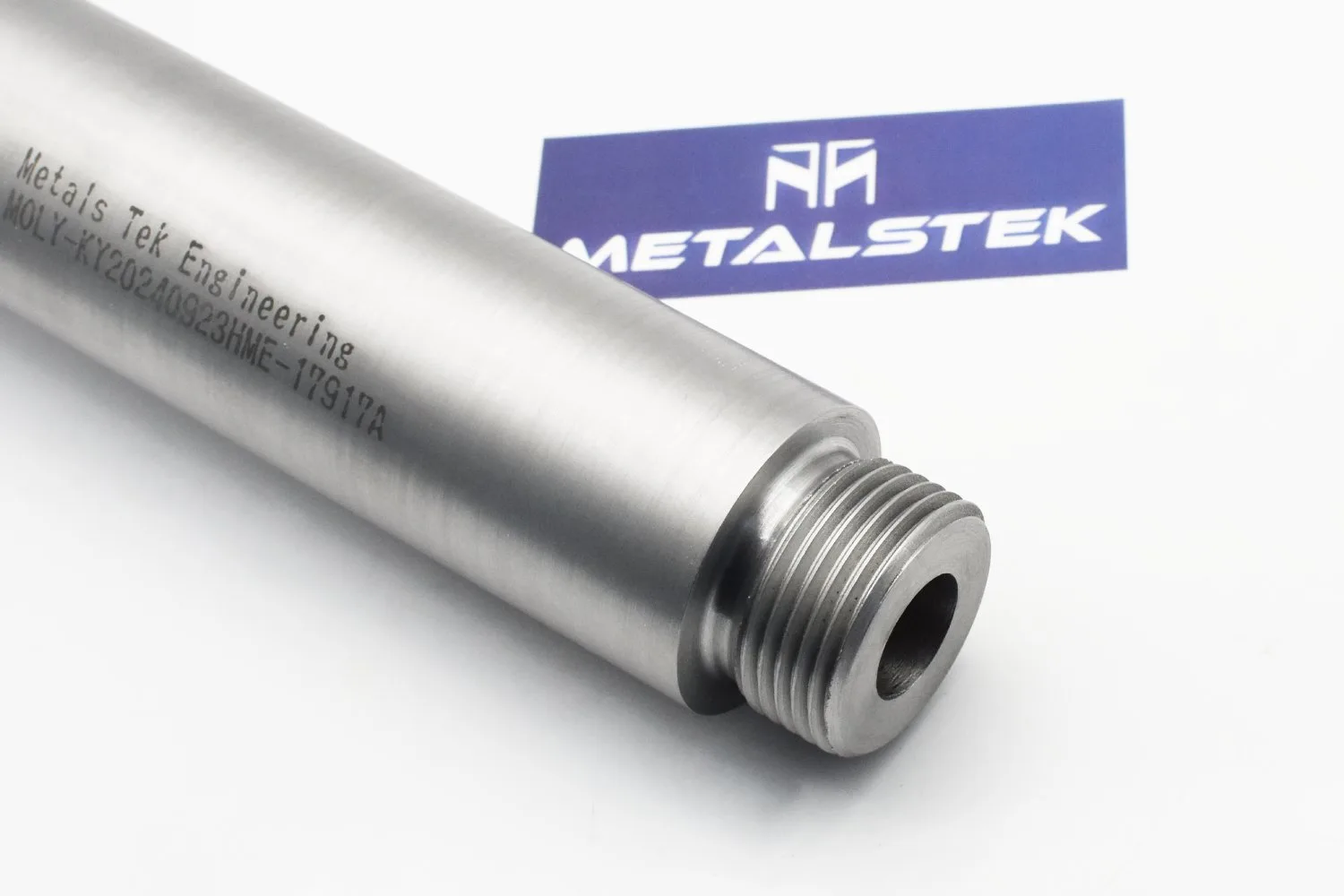
Existing product pages cover rod, bar, sheet, foil, wire, tube, crucible, boat, fasteners and related forms. Confirm grade and purity for the selected product.
Molybdenum Alloys
Browse the published TZM, Mo-W, Mo-Re, Mo-La and other molybdenum-alloy pages. Composition and available forms vary by alloy.
Molybdenum Evaporation Materials
Review the published evaporation-materials page for form-specific options. State chemistry, source geometry and process requirements in the RFQ.
Other Molybdenum Products
Powder, oxide, carbide and custom parts have separate specifications. Select a published product page or send a drawing and target composition for review.
The existing property table is a material reference, not a universal finished-product specification. Confirm grade, test basis and documentation for the selected form.
| Phase At Stp | Solid | Electrical Resistivity | 53.4 nΩ⋅m (at 20 °C) | |
| Melting Point | 2,896 K (2,623 °C/4,753 °F) | Magnetic Ordering | Paramagnetic | |
| Appearance | Grey, Metallic | Young's Modulus | 329 GPa | |
| Density (Near R.T.) | 10.28 g/cm3 | Shear Modulus | 126 GPa | |
| When Liquid (At M.P.) | 9.33 g/cm3 | Bulk Modulus | 230 GPa | |
| Heat Of Fusion | 37.48 kJ/mol | Poisson Ratio | 0.31 | |
| Heat Of Vaporization | 598 kJ/mol | Mohs Hardness | 5.5 | |
| Molar Heat Capacity | 24.06 J/(mol·K) | Vickers Hardness | 1,400–2,740 MPa | |
| Thermal Expansion | 4.8 µm/(m⋅K) (at 25 °C) | Brinell Hardness | 1,370–2,500 MPa | |
| Thermal Conductivity | 138 W/(m⋅K) | Cas Number | 7439-98-7 | |
| Thermal Diffusivity | 54.3 mm2/s (at 300 K) | Z Ratio | 0.257 |
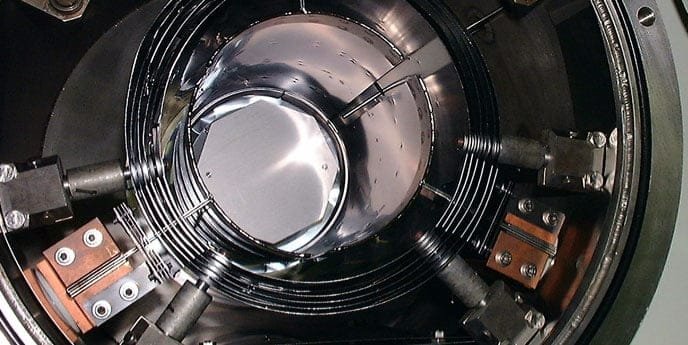
Molybdenum, recognized for its diverse properties, is pivotal in several industries due to its unique characteristics and versatility. The typical applications include:
Molybdenum’s versatility, strength, and resistance to high temperatures and corrosion make it an indispensable material in multiple industries, contributing significantly to technological advancements, manufacturing, and material science.
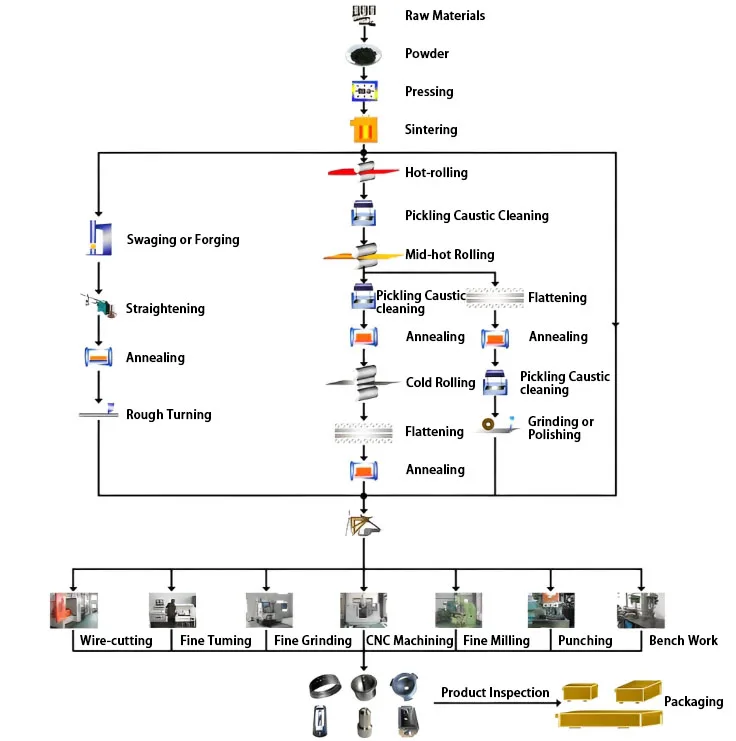
Additional technical context. Use the product directory above for current form-specific procurement information.
Compare material choices and the questions to confirm before specifying a form.
Review a tube-focused engineering reference and related product context.
Explore drawing and operating-condition considerations for furnace components.