
Introduction
In industrial environments where corrosion is a constant challenge, selecting the right material is not just a technical decision—it directly impacts equipment reliability, maintenance cycles, and total operating cost.
Two of the most widely used corrosion-resistant materials are Nickel Sheet (commercially pure nickel such as Nickel 200 and Nickel 201) and Stainless Steel (grades such as 304, 316, and 316L). While both materials are commonly regarded as “corrosion-resistant,” their performance varies significantly depending on the environment.
At Metalstek, we frequently support customers in industries such as chemical processing, energy systems, marine engineering, and vacuum equipment manufacturing. One of the most common questions we receive is:
👉 Which performs better in corrosive environments—nickel sheet or stainless steel?
This article provides a detailed, practical comparison to guide engineers and buyers toward the most suitable material choice.
Understanding Corrosion Mechanisms
Material performance in corrosive environments depends largely on how each material resists chemical attack.
Stainless Steel: Passive Film Protection
Stainless steel relies on a thin chromium oxide (Cr₂O₃) layer formed on its surface.
- Self-repairing in oxygen-rich environments
- Highly effective in oxidizing conditions
- Vulnerable in low-oxygen or chloride-rich environments
Once this passive film is damaged, localized corrosion such as pitting can occur rapidly.
Nickel: Intrinsic Chemical Stability
Nickel behaves differently. Instead of relying solely on a passive film, it offers intrinsic resistance to many corrosive media, especially:
- Alkaline solutions
- Reducing environments
- Electrochemical systems
This makes nickel particularly reliable in conditions where stainless steel may fail.
Material Overview
Nickel Sheet (Nickel 200 / Nickel 201)
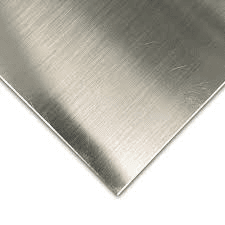
Nickel sheets supplied by Metalstek are typically available in high-purity grades with controlled composition and tight tolerances.
Key characteristics:
- Excellent resistance to caustic environments (NaOH, KOH)
- Stable in reducing acids
- High ductility and good formability
- Resistance to chloride-induced stress corrosion cracking
- Suitable for high-temperature chemical applications
Stainless Steel (304 / 316 / 316L)
Stainless steel remains one of the most widely used engineering materials due to its versatility and cost-effectiveness.
Key characteristics:
- Strong resistance in oxidizing environments
- High mechanical strength
- Good weldability and fabrication properties
- 316/316L provides improved chloride resistance
Corrosion Performance Comparison
| Environment Type | Nickel Sheet (Ni 200/201) | Stainless Steel (304/316) | Recommendation |
|---|---|---|---|
| Strong Alkali (NaOH, KOH) | Excellent | Moderate to Poor | ✅ Nickel |
| Reducing Acids | Very Good | Poor | ✅ Nickel |
| Oxidizing Acids | Moderate | Excellent | ✅ Stainless Steel |
| Chloride Environments | High Resistance | Risk of SCC & Pitting | ✅ Nickel |
| Seawater | Moderate | Good (316) | ⚖ Depends |
| High-Temperature Oxidation | Good | Excellent | ⚖ Stainless Steel |
Key Performance Differences
1. Alkaline Environments
Nickel is the preferred material in strong alkaline systems, such as:
- Chlor-alkali production
- Caustic chemical processing
Stainless steel tends to degrade under concentrated alkaline conditions, especially at elevated temperatures.
2. Chloride Resistance
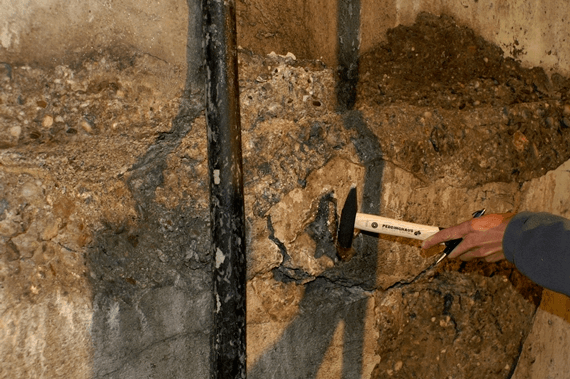
Chloride-induced corrosion is one of the most common failure modes in industrial systems.
- Stainless steel:
- Susceptible to pitting
- Risk of stress corrosion cracking
- Nickel:
- Much lower SCC risk
- More stable in chloride environments
➡ This makes nickel a safer choice for long-term reliability.
3. Oxidizing vs Reducing Conditions
- Oxidizing environments (e.g., nitric acid):
Stainless steel performs better - Reducing environments:
Nickel offers superior resistance
This distinction is critical when selecting materials for chemical processing systems.
4. High-Temperature Performance
- Stainless steel provides excellent oxidation resistance
- Nickel performs better when corrosion + high temperature are combined
Cost vs Lifecycle Performance
| Factor | Nickel Sheet | Stainless Steel |
|---|---|---|
| Initial Cost | Higher | Lower |
| Service Life | Longer (harsh env.) | Moderate |
| Maintenance | Lower | Higher (corrosive env.) |
| Total Cost | Lower over time | Lower upfront |
👉 In aggressive environments, nickel often delivers better long-term value despite higher initial cost.
Application-Based Selection
Choose Nickel Sheet When:
- Working with strong alkalis or caustic solutions
- Exposure to reducing acids
- High risk of chloride-induced corrosion
- Used in electrochemical systems or hydrogen production
Choose Stainless Steel When:
- Operating in oxidizing environments
- Structural strength is a priority
- Budget constraints are significant
- General-purpose corrosion resistance is sufficient
Real-World Applications
Chemical Processing Industry
Nickel sheets are widely used in reactors, piping, and storage systems handling aggressive chemicals.
Marine Engineering
316 stainless steel is common, but nickel is preferred in critical components requiring higher corrosion resistance.
Energy and Hydrogen Systems
Nickel plays an increasingly important role in electrolyzers and fuel systems due to its electrochemical stability.
Food and Pharmaceutical Equipment
Stainless steel remains dominant due to hygiene standards and cost-effectiveness.
Final Verdict
There is no universal “better” material—only the right material for the right environment.
- Nickel Sheet excels in:
- Alkaline environments
- Reducing chemical systems
- Chloride-rich conditions
- Stainless Steel excels in:
- Oxidizing environments
- General industrial applications
- Cost-sensitive projects
Conclusion
For engineers and procurement teams, the key to successful material selection lies in understanding the interaction between material properties and operating conditions.
At Metalstek, we provide high-purity nickel sheets and precision-processed metal materials tailored to demanding industrial applications. Whether you require standard sizes or fully customized specifications, our team can support your project with reliable material solutions.
👉 For detailed specifications or a quotation, please contact:
📩 sales@metalstek.com
You May Also Want to Know
| Question | Answer |
|---|---|
| Is nickel always better than stainless steel? | No. Nickel performs better in specific environments, while stainless steel is more versatile and cost-effective. |
| Why does stainless steel fail in chloride environments? | Chlorides break down the passive oxide layer, leading to pitting and stress corrosion cracking. |
| Can nickel replace stainless steel completely? | Not always. Selection depends on environment, cost, and mechanical requirements. |
| What is the difference between Nickel 200 and 201? | Nickel 201 has lower carbon content, improving performance at high temperatures. |
| Is 316 stainless steel enough for seawater? | It is commonly used, but may still suffer pitting in severe conditions. |