
1. Introduction
Niobium–zirconium (Nb–Zr) alloys represent an important class of refractory metal alloys widely used in extreme environments where high temperature strength, corrosion resistance, radiation tolerance, and mechanical stability are critical. Combining the unique attributes of niobium and zirconium, these alloys have found long-standing and growing applications in nuclear technology, aerospace systems, superconducting devices, chemical processing equipment, and advanced research instrumentation.
Niobium offers excellent high-temperature strength, good ductility, and a high melting point, while zirconium contributes enhanced corrosion resistance, improved grain refinement, and superior compatibility with aggressive chemical and radiation environments. When alloyed together, niobium and zirconium form a solid solution system that delivers a balance of mechanical robustness, thermal stability, and chemical durability that cannot be achieved by either metal alone.
This article provides a comprehensive overview of niobium–zirconium alloys, covering their metallurgical fundamentals, physical and mechanical properties, manufacturing routes, performance characteristics, and major application areas. It also discusses emerging trends and future opportunities for Nb–Zr alloys in advanced technologies.
2. Metallurgical Fundamentals of Nb–Zr Alloys
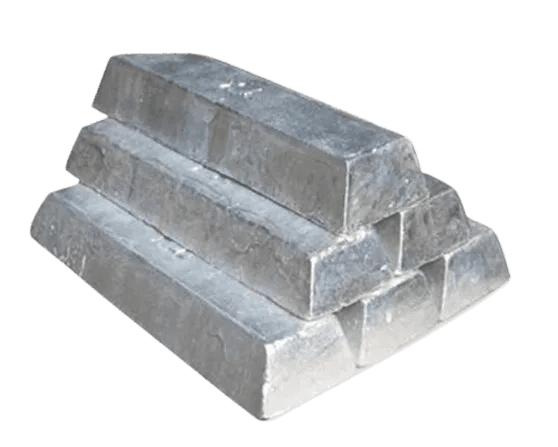
2.1 Alloy System and Phase Behavior
Niobium and zirconium are both refractory metals with body-centered cubic (BCC) crystal structures at elevated temperatures. The Nb–Zr binary system exhibits extensive solid solubility, particularly at high temperatures, making it well suited for solid-solution strengthening without the formation of brittle intermetallic phases.
In most engineering Nb–Zr alloys, zirconium content typically ranges from 1 wt.% to 10 wt.%, with Nb-1Zr being the most widely used commercial grade. Within this composition range, zirconium atoms dissolve substitutionally in the niobium lattice, causing lattice distortion that enhances strength while preserving ductility.
2.2 Solid-Solution Strengthening Mechanism
The strengthening effect in Nb–Zr alloys arises primarily from atomic size mismatch between niobium and zirconium atoms. Zirconium atoms are larger than niobium atoms, introducing local lattice strain that impedes dislocation motion. This mechanism increases yield strength and creep resistance without significantly degrading toughness or formability.
Unlike precipitation-strengthened alloys, solid-solution-strengthened Nb–Zr alloys maintain stable mechanical properties over long exposure times at elevated temperatures, making them particularly suitable for nuclear and aerospace applications.
3. Physical and Mechanical Properties
3.1 Mechanical Properties
Niobium–zirconium alloys offer a favorable combination of strength and ductility over a wide temperature range.
Key mechanical characteristics include:
- High yield and tensile strength compared with pure niobium
- Excellent ductility at room and elevated temperatures
- Good fracture toughness, even after long-term thermal exposure
- Improved creep resistance under sustained high-temperature stress
Nb-1Zr, for example, demonstrates significantly higher creep rupture strength than pure niobium while retaining the ability to undergo cold working, rolling, and deep drawing.
3.2 High-Temperature Performance
Nb–Zr alloys retain useful mechanical properties at temperatures exceeding 1000 °C. This makes them attractive for components exposed to prolonged thermal loads, such as:
- Nuclear fuel cladding
- Heat exchanger tubing
- Aerospace structural components
Zirconium additions slow grain growth during high-temperature service, contributing to improved microstructural stability and reduced loss of mechanical strength over time.
3.3 Physical Properties
Important physical properties of Nb–Zr alloys include:
- High melting point (above 2400 °C, depending on composition)
- Moderate density, lower than many nickel-based superalloys
- Good thermal conductivity, beneficial for heat transfer applications
- Low neutron absorption cross-section, critical for nuclear systems
These attributes support the use of Nb–Zr alloys in environments where both thermal efficiency and radiation performance are required.
4. Corrosion and Environmental Resistance
4.1 Oxidation Behavior
At elevated temperatures in oxidizing environments, niobium-based alloys are susceptible to oxidation. However, the addition of zirconium improves oxide scale adherence and reduces oxidation kinetics under certain conditions.
In controlled atmospheres or vacuum environments, Nb–Zr alloys demonstrate excellent oxidation resistance and long-term stability. Protective coatings are often applied for applications involving exposure to air at very high temperatures.
4.2 Corrosion Resistance in Aggressive Media
Zirconium is well known for its resistance to corrosion in acids and high-temperature water systems. When alloyed with niobium, it enhances resistance to:
- High-temperature water and steam
- Liquid metals
- Certain acidic and halide environments
This corrosion resistance is a key reason Nb–Zr alloys are widely used in nuclear reactors and chemical processing systems.
5. Radiation Resistance and Nuclear Compatibility
One of the most significant advantages of niobium–zirconium alloys is their excellent performance under neutron irradiation. Both niobium and zirconium have low neutron absorption cross-sections, making Nb–Zr alloys ideal for nuclear applications.
Under irradiation, Nb–Zr alloys exhibit:
- Reduced swelling compared to many structural alloys
- Good retention of mechanical properties
- Resistance to radiation-induced embrittlement
These characteristics have led to their extensive use in nuclear fuel cladding, pressure tubes, and structural components in both fission and experimental fusion systems.
6. Manufacturing and Processing Routes
6.1 Melting and Alloying
Nb–Zr alloys are typically produced using vacuum-based melting techniques to prevent contamination by oxygen, nitrogen, and hydrogen. Common methods include:
- Vacuum arc remelting (VAR)
- Electron beam melting (EBM)
- Vacuum induction melting (VIM)
Strict control of interstitial impurities is essential, as small amounts of oxygen or nitrogen can significantly affect ductility and toughness.
6.2 Thermomechanical Processing
After melting, Nb–Zr alloys can be processed through a variety of conventional and advanced techniques:
- Hot forging and rolling
- Cold working and drawing
- Intermediate and final annealing
These alloys exhibit good workability, allowing the production of plates, sheets, tubes, wires, and complex shapes.
6.3 Heat Treatment
Heat treatment plays a critical role in optimizing microstructure and properties. Annealing treatments are used to:
- Relieve internal stresses
- Control grain size
- Restore ductility after cold work
Because Nb–Zr alloys rely primarily on solid-solution strengthening, they do not require complex precipitation heat treatments.
7. Forms and Product Types
Niobium–zirconium alloys are available in a wide range of semi-finished and finished forms, including:
- Bars and rods
- Sheets and plates
- Tubes and pipes
- Wires and foils
- Custom machined components
This versatility enables their integration into diverse industrial and research applications.
8. Major Application Areas
8.1 Nuclear Energy Systems
The most prominent application of Nb–Zr alloys is in nuclear technology. Typical uses include:
- Fuel cladding materials
- Structural components in reactors
- Pressure tubes and support structures
Their low neutron absorption, corrosion resistance, and radiation stability make them indispensable in this field.
8.2 Aerospace and High-Temperature Engineering
In aerospace systems, Nb–Zr alloys are used for components exposed to extreme thermal and mechanical loads, such as:
- Rocket and propulsion system components
- Heat shields and thermal protection structures
- High-temperature fasteners and supports
Their combination of high melting point and mechanical stability offers advantages over conventional superalloys in certain environments.
8.3 Superconducting and Cryogenic Applications
Niobium is a cornerstone material in superconducting technologies. Nb–Zr alloys are used in:
- Superconducting wires and magnets
- Cryogenic structural components
- Research instrumentation
Zirconium additions can improve mechanical strength while maintaining favorable superconducting properties.
8.4 Chemical Processing and Corrosive Environments
In chemical industries, Nb–Zr alloys are employed where resistance to corrosion and high temperature is essential, such as:
- Heat exchangers
- Reaction vessels
- Specialized piping systems
Their durability extends service life and reduces maintenance requirements in aggressive chemical environments.
8.5 Research and Advanced Technologies
Nb–Zr alloys are widely used in experimental systems, including:
- Fusion research devices
- Advanced materials testing rigs
- High-temperature laboratory equipment
Their predictable behavior and stability make them valuable materials for scientific exploration.
9. Comparison with Other Niobium-Based Alloys
Compared to pure niobium, Nb–Zr alloys offer:
- Higher strength
- Better creep resistance
- Improved corrosion behavior
When compared with more complex niobium-based alloys containing tungsten or hafnium, Nb–Zr alloys provide:
- Better ductility and formability
- Lower density
- Simpler processing routes
This balance makes Nb–Zr alloys a preferred choice where reliability and manufacturability are critical.
10. Challenges and Limitations
Despite their advantages, niobium–zirconium alloys also face certain limitations:
- Susceptibility to oxidation at very high temperatures in air
- Higher cost compared with conventional structural metals
- Requirement for controlled processing environments
Ongoing research focuses on surface treatments, coatings, and alloy optimization to address these challenges.
11. Future Trends and Development Directions
As demand grows for materials capable of operating in extreme environments, Nb–Zr alloys are expected to play an increasingly important role. Key development trends include:
- Ultra-high-purity alloys for nuclear and superconducting applications
- Advanced coatings to enhance oxidation resistance
- Integration into additive manufacturing processes
- Optimization for fusion energy systems
With continued innovation, niobium–zirconium alloys are poised to remain essential materials in next-generation energy, aerospace, and scientific technologies.
12. Conclusion
Niobium–zirconium alloys represent a mature yet continually evolving class of refractory materials that combine high-temperature strength, corrosion resistance, radiation tolerance, and excellent mechanical stability. Their solid-solution strengthening mechanism, wide processing window, and versatile performance have made them indispensable in nuclear energy, aerospace engineering, superconducting technology, and advanced research applications.
As engineering challenges push materials to operate under increasingly extreme conditions, Nb–Zr alloys will continue to serve as reliable, high-performance solutions, bridging the gap between fundamental materials science and real-world technological demands.